Introduction to Zinnia: Get to Know This Flower
Alternative Names for Zinnia
Zinnia, Bubugao, Fireball Flower, Opposite-leaf Chrysanthemum, Qiuluo, Bubudenggao
Morphological Characteristics of Zinnia
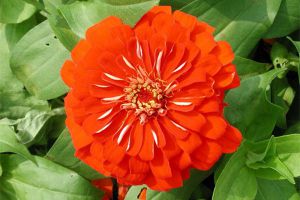
Zinnia is an annual herbaceous plant. The stem is erect, 30-100 cm tall, covered with rough hairs or long stiff hairs. The leaves are broadly ovate or oblong-elliptic, 5-10 cm long and 2.5-5 cm wide, with a slightly heart-shaped clasping base, rough on both surfaces, densely covered with short rough hairs beneath, with three basal veins.
Capitulum, solitary at the branch tips, without a hollow and fleshy peduncle. There are single-flowered, double-flowered, curled-leaf, crinkled-leaf, and various differently colored horticultural varieties. The flowering period is June-September, and the fruiting period is July-October.
Growth Habits of Zinnia
Zinnia prefers warmth, is not cold-tolerant, loves sunlight, fears extreme summer heat, is vigorous, drought-tolerant, tolerant of poor soil, and dislikes continuous cropping. Its deep roots and hard stems make it resistant to lodging. It is best grown in fertile, deep soil. The suitable temperature during the growing period is 15-30°C.
Main Value of Zinnia
Ornamental: Zinnia has large, brightly colored flowers, blooms early, has a long flowering period, and a beautiful plant shape. It can be used in flower beds, flower borders, and flower strips according to height. It is also often used for potted plants.
Medicinal: The whole plant of Zinnia can be used as medicine, and can treat stomatitis, dysentery, etc. It is recorded in the "Yunnan Provincial Gazetteer," and the Yi people love to use it to treat wind-fire toothache.
Zinnia Flower Language
Rising step by step