-

How to propagate Serissa japonica? A detailed introduction to the common propagation methods
Serissa japonica, also known as snow-in-summer, white horse bone, and fine-leaved wintergreen, is an evergreen small shrub of the genus Serissa in the family Rubiaceae. It fears strong light, prefers a warm climate, and can also tolerate cold and drought somewhat. It likes well-drained, fertile, moist, and loose soil, has low demands on the environment, and has strong growth vigor. Cuttings and division are commonly used for propagation
-
Introduction to the Cultivation Techniques, Propagation Methods and Growth Habits of the Chinese Medicinal Herb Pokeweed
Pokeweed, also known as mountain radish, jianzhongxiao, daoshuilian and other names, is a perennial robust herbaceous plant of the genus Phytolacca in the family Phytolaccaceae. It is widely distributed in the red soil low hilly areas south of the Yangtze River. Among the varieties currently distributed in China, the main ones are pokeweed (wild radish) and American pokeweed (Phytolacca americana, also called pokeberry or ten-stamen pokeweed).
-
Introduction to the Shanghai School of Penjing: One of the Schools of Chinese Penjing
Shanghai sits on the south bank of the Yangtze River estuary. Its entire territory is an alluvial plain, with only volcanic rock hills such as Sheshan in the southwestern part. Rivers and ports are densely distributed across the suburbs, and the Huangpu River and Wusong River (also known as Suzhou Creek) flow through the city; these serve as the main drainage channels and shipping routes of Taihu Lake. During the Tang Dynasty it belonged to Huating County, and in the Song Dynasty the town of Shanghai was first established.
-
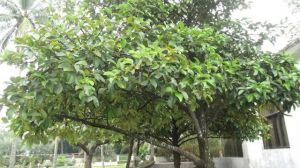
What does a mangosteen tree look like? A detailed introduction to its appearance and characteristics
The mangosteen tree is about 12-20 m tall, with many branches, an upright trunk, dark brown bark, and a conical crown. The leaves are elliptical or oblong-ovate, dark green on the surface and pale yellow-green on the underside, and the leaves break easily, exuding a yellow resin when broken. The flowers are terminal, with 4 petals, and are red in color.
-
How to Propagate the Boston Fern? Detailed Introduction to Propagation Methods
Propagation Methods of the Boston Fern The Boston fern can be propagated by division. The Boston fern is commonly propagated by division; in summer, cut off the small rooted plantlets growing from the stolons of vigorous plants and plant them separately. Cut off the small rooted plantlets growing from the stolons of vigorous plants and plant them separately.
-

-
How to Propagate Hyacinths? Detailed Introduction to Propagation Methods
Propagation Methods of Hyacinth. Hyacinths are mainly propagated by dividing bulbs; seed propagation is used in breeding, and bulb propagation can also be used. The mother bulb produces 1-2 daughter bulbs after 1 year of planting, and some varieties can produce more than ten daughter bulbs. It can be used for bulb division propagation; daughter bulb propagation requires 3 years to bloom. Seed propagation, sown in autumn
-
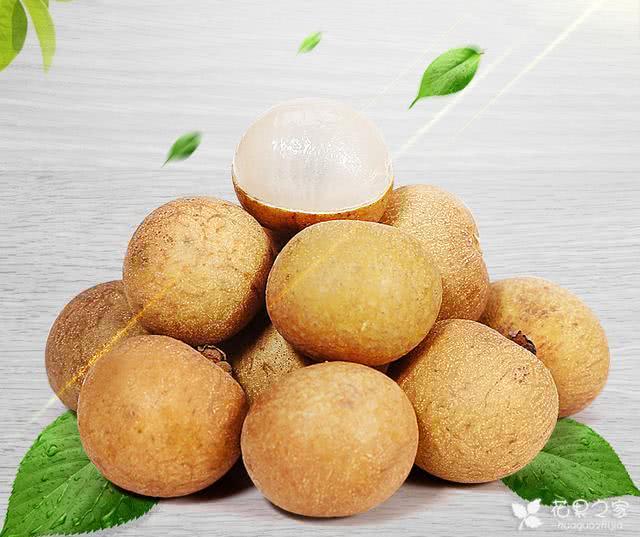
What are the benefits and effects of longan aril? A detailed introduction to three major benefits
Longan is a common summer fruit. Its flesh is sweet and refreshing, and its benefits are quite good as well. The benefit the editor loves most is enhancing memory, making it the favorite fruit of friends who are often forgetful. In materia medica books, the effects and indications of longan aril...
-

Where are shiitake mushrooms produced? A detailed introduction to the distribution of the main producing areas
Where are shiitake mushrooms produced?
-

When Do Walnuts Ripen? An Introduction to the Ripening Period and Harvest Time
When do walnuts ripen?
条件筛选