-

Why do flowers in self-watering pots die so easily? It is mostly caused by waterlogged soil and root rot
It is said that watering plants takes ten years of practice, and many gardening enthusiasts are stumped by watering. So a batch of "self-watering pots" (lazy pots) appeared on the market, claiming that if you use a self-watering pot, you do not need to worry about watering and the flowers will still thrive. Is that really true?
-
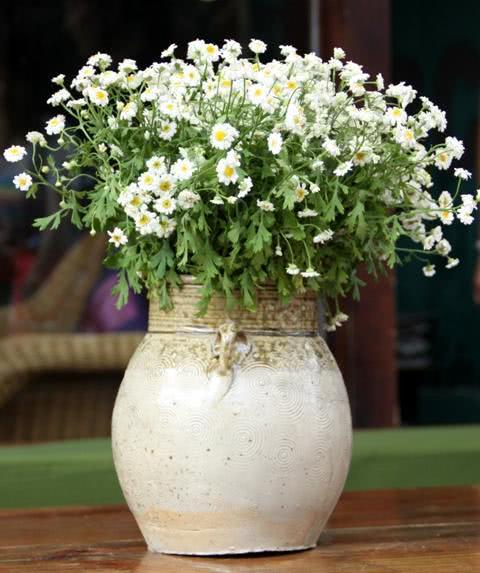
Blooming so profusely it becomes a ball of flowers, these tiny blooms are the envy of everyone
For every flower lover, growing plants until they burst into a potful of blooms is a truly rewarding achievement. Seeing your own flowers overflow their pot and fill the whole balcony with fragrance is something to be proud of when friends visit, and it makes them envious too. 1. Feverfew...
-
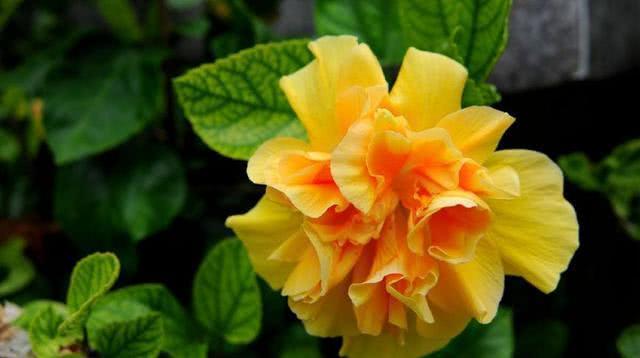
What to do when hibiscus leaves turn yellow? Find the right cause and you can also promote flowering
Hibiscus is a tropical plant, and those of you growing it in the north may run into yellow leaves. That said, there are many causes of yellow leaves. Besides an unsuitable environment, there are other reasons too, such as: too much or too...
-
The jasmine is growing very well and has bloomed, but the flowers withered and turned yellow the same day, all because of this one thing.
This is a jasmine grown by a flower enthusiast. After it bloomed, the flowers turned yellow and dropped by the afternoon, and the reason was unknown. Probably many flower enthusiasts don't know the exact reason either, so let Xiao Qi explain. After jasmine blooms, its flowers gradually wither...
-
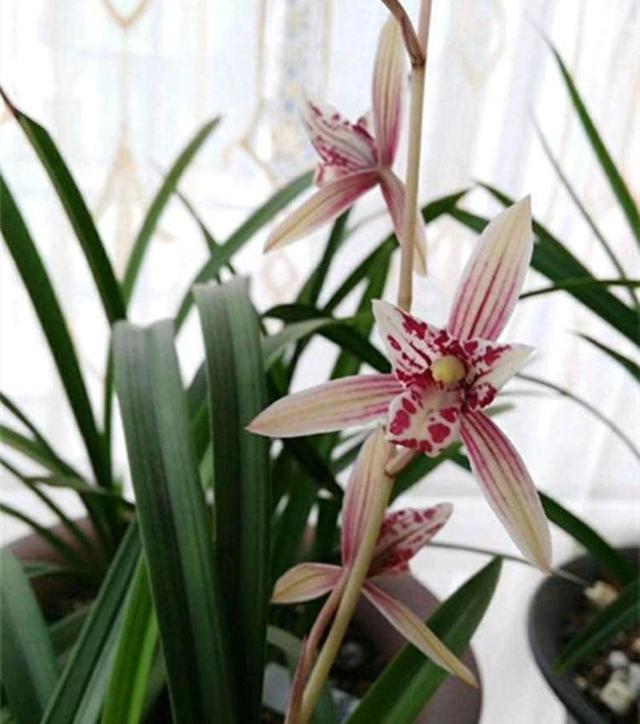
Growing orchids in summer: use this method and watering becomes second nature
Summer is the peak period of orchid growth. Once water is lacking, the orchids will grow poorly, but if they stay wet without drying out for a long time, they are prone to disease, so watering must be both timely and at the right time. How well watering is managed directly affects how well the orchids grow...
-
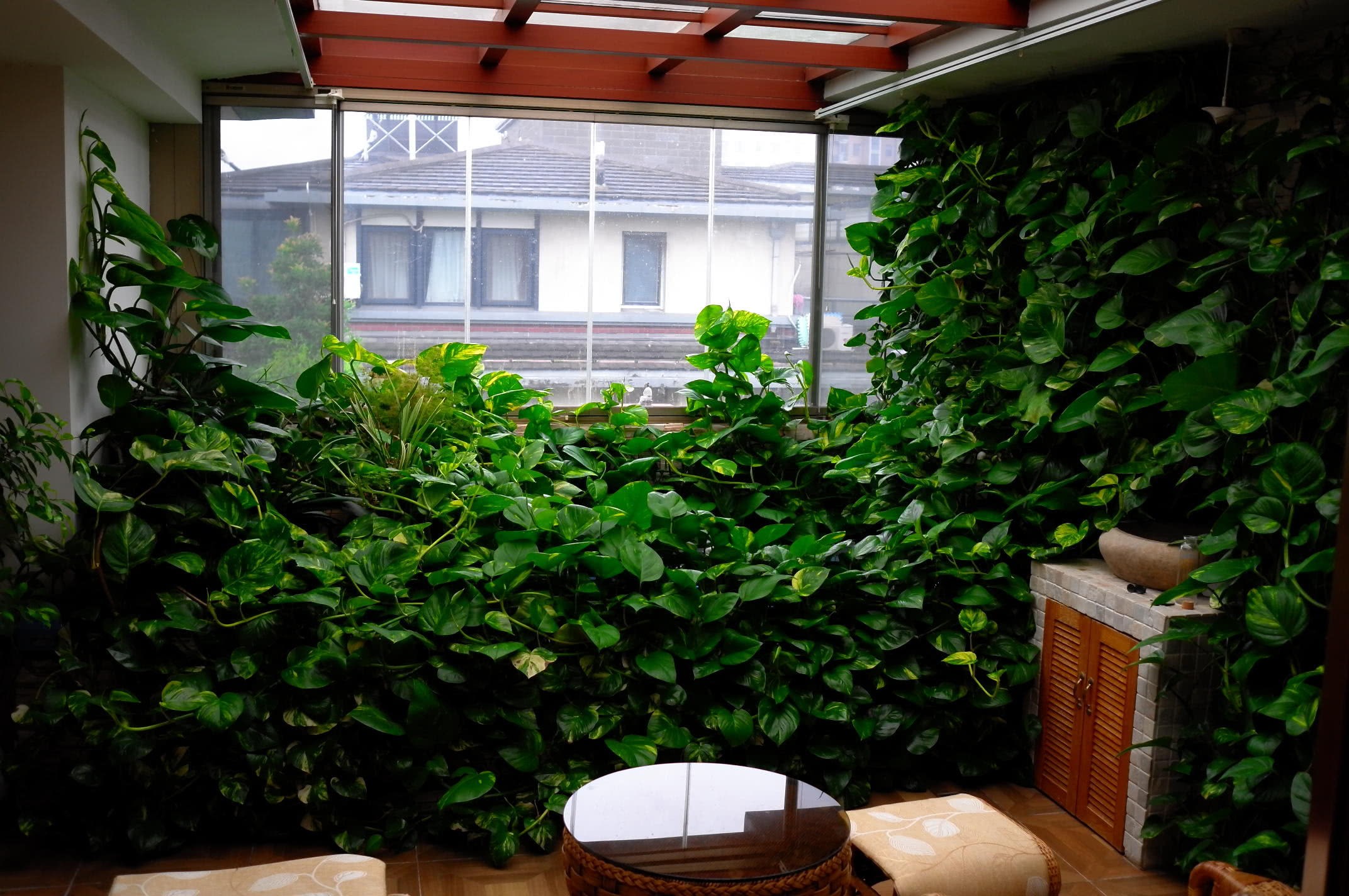
Water pothos with one kind of water and it will crawl all over the house, with leaves greener and bigger than your palm
Pothos is a very popular indoor green plant. Many flower lovers hope their pothos will cover the whole wall; just looking at it makes them feel great. But not many people can actually grow a pothos wall, so they can only envy others. However, for those with money to spare, everything...
-
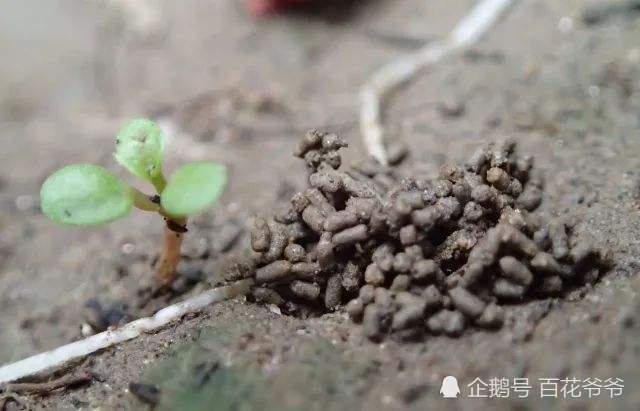
You don't need to buy potting soil - just pick some of this up by the roadside and use it as a drainage layer at the bottom of the pot, and you can grow any flower.
These days, when people buy flowers, they usually pick up a bag of potting soil along with them, just to make their plants grow better at home. Diligent gardeners even make their own potting soil at home, with common examples like fermenting various leaf mold soils, but the waiting time...
-
What causes root rot in roses? Causes and solutions
There are many causes of root rot in roses: if it is caused by poorly aerated potting soil, then replace it with well-aerated soil. If it is caused by overwatering, then control the amount of water given, and water only after the soil has dried out completely. If it is caused by too much fertilizer, then reduce the amount of fertilizer and control how often you fertilize. If it is caused by pests and diseases, then remove them promptly.
-
What to Do About Root Rot in Petunias? Cause Analysis and Solutions
To solve the problem of root rot in petunias, first take it out of the potting soil, wash it clean, cut off the rotted parts, disinfect them, let it dry, and plant it in fresh potting soil. Usually, control the amount of watering well; do not overwater, and wait until the soil dries out before watering. In addition, during the rainy season, provide it with timely rain cover; if you cannot cover it in time, drain the rainwater away promptly.
-
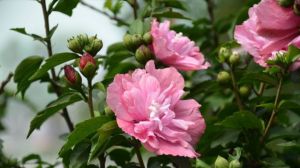
What to Do About Root Rot in Rose of Sharon? Cause Analysis and Treatment Methods
There are many causes of root rot in rose of Sharon (Hibiscus syriacus): if it is caused by poor soil drainage and aeration, replace it with well-aerated soil as soon as possible. If it is caused by excessive watering, loosen the soil appropriately and reduce the amount of watering. If it is caused by excessive fertilizing, reduce fertilizing appropriately and control the fertilizing frequency well, and water appropriately more to let the excess fertilizer leach out.
条件筛选