-
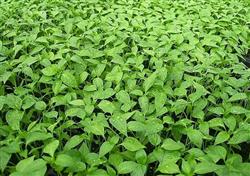
How to grow pepper seedlings in summer? A full analysis of the key cultivation techniques
How do you grow pepper seedlings in summer? Please give guidance. For summer and autumn pepper seedling cultivation, while doing a good job of seed treatment, natural room-temperature germination, and selecting plug trays for sowing, the main things to address are high temperature and drought, strong winds and heavy rain, preventing seedlings from growing leggy, and preventing pests and diseases. For detailed methods, refer to the following: 1. Seed...
-
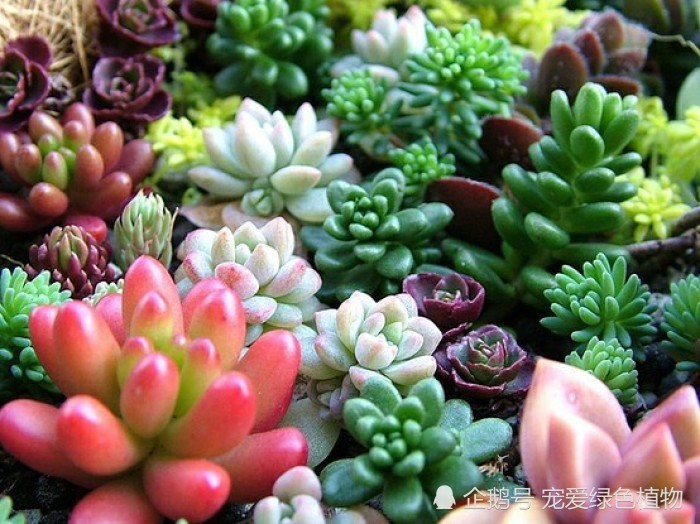
Growing Succulents in Summer: No Matter How High the Temperature Gets, Never Do This
We have now entered the dog days of summer, the hottest time of the year, and of course the most trying time for succulents. Whether it is getting succulents through winter or through summer, these are the issues that succulent lovers always worry about with their hearts in their throats...
-
Rose cultivation: How to care for potted roses in summer?
How to care for potted roses in summer? Please give guidance. The reason potted roses die in summer is mostly because the potting soil was not properly mixed, and the pots were not repotted and the soil not changed in spring, so the nutrients in the original potting soil were largely depleted. As a result, the roses cannot withstand the high temperatures and die. In the hot summer season, roses are almost in a semi-dormant state, and some...
-

Factors Affecting Summer Corn Yield Per Mu and Key Points of Planting Technology
What factors affect summer corn yield per mu? Please provide an introduction and solutions. The main factors affecting summer corn yield are as follows: Reason one, unreasonable corn planting density: excessive planting density is a fairly prominent problem in current summer corn production. For example, some farmers planting "Nongda 108" leave more than 5,000 plants per 667 sq m (1 mu), about 1/3 more than the suitable density for this variety.
-
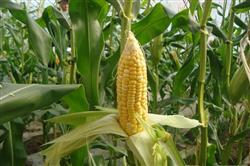
Corn Cultivation Techniques: What Methods Are There to Promote Ripening in Summer Corn?
What methods are there to promote ripening in summer corn? The following methods can be used to promote ripening in summer corn: 1. Husking and sun-drying the ears method: When the kernels begin to harden in the mid-dough stage of corn, gently peel open the husks one by one so that all the kernels are exposed and can be directly exposed to sunlight. Generally, after peeling and drying for 15-20...
-
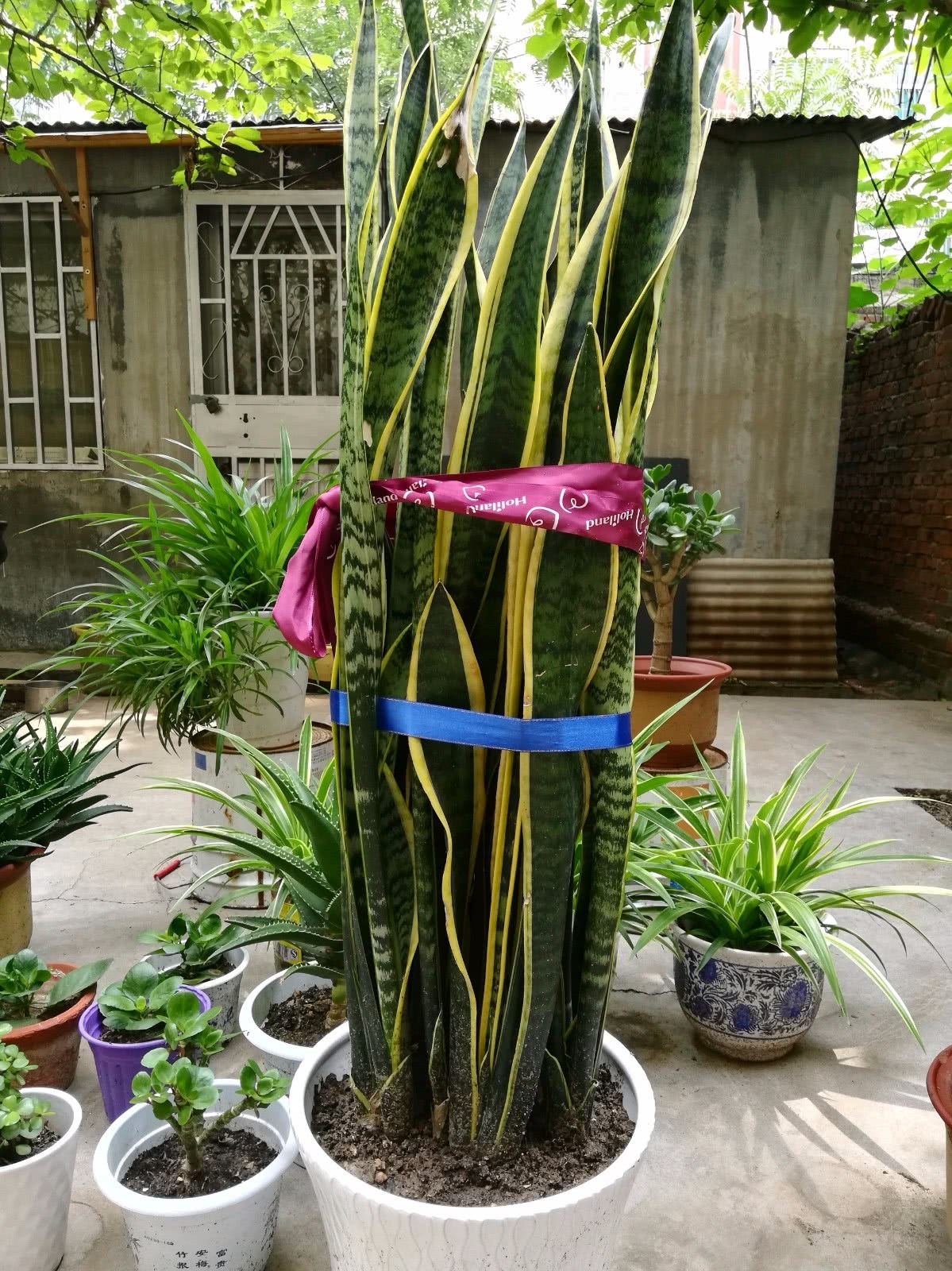
Snake Plant: 3 things to watch in summer, no root rot for 10 years, green leaves and pups bursting out of the pot
Snake Plant, also known as mother-in-law's tongue, is easy to grow, hard to kill, and has a strong air-purifying ability, so it has always been deeply loved by many flower lovers. It carries the flower meaning of "tough and tenacious," making it very suitable as a gift for elders and the elderly...
-
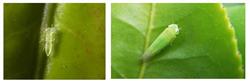
Tea Plant Cultivation Techniques: How to Control Pests in Tea Gardens in Summer?
How to control pests in tea gardens in summer? Please give an introduction to the control methods. In July, the main pests in tea gardens are the tea green leafhopper (Empoasca onukii), the citrus spiny whitefly (Aleurocanthus spiniferus), planthoppers and the tea geometrid (Ectropis obliqua), and they should be controlled early. Planthoppers, the citrus spiny whitefly and the tea green leafhopper are all piercing-sucking pests, and the application methods are similar. In pollution-free tea gardens, phoxim, imidacloprid, acetamiprid and other pesticides can be used for control. In organic tea gardens where the tea green leafhopper occurs, leaves can be picked in several batches, and when the temperature is suitable, Beauveria bassiana preparations can be used for control; whitefly fungal preparations, rotenone and matrine can be used to control the citrus spiny whitefly. To control the tea geometrid, pollution-free tea gardens can use bifenthrin, cypermethrin, deltamethrin, diflubenzuron and so on, while organic tea gardens can use light traps to kill adults, or spray rotenone and matrine.
-

Tea Plant Cultivation Techniques: What Pests and Diseases Affect Tea Plants in Summer?
What pests and diseases affect tea plants in summer? An introduction and control methods. In summer, the key diseases to control in tea gardens are tea blister blight and tea bud blight, while the key pests are tea tussock moth and tea geometrid. Tea blister blight mainly damages new shoots and tender leaves; the lesions are sunken on the upper surface of the leaf and raised like a steamed bun on the underside, producing grayish-white powdery spores. For control...
-
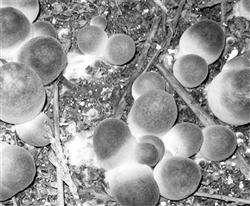
What are the key technical points for cultivating straw mushrooms in summer?
What are the key points for cultivating straw mushrooms in summer? Please advise. Straw mushrooms are an edible fungus cultivated in the hot season, and they are the fastest to harvest among all edible fungi. From spawning to harvest, they need only 10-14 days. The technique is easy to master, the cost is low, and the returns are quick, making them very suitable for summer greenhouse cultivation. So for cultivating high and stable mushroom yields in summer, one should...
-
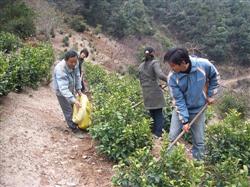
How to fertilize tea plants in summer? Key points of tea plant cultivation and fertilization techniques
How to fertilize tea plants in summer? Please allow the following introduction on how to apply summer fertilizer to tea plants for reference: After the spring tea is picked, the plant's nutrients are consumed in large amounts, the new shoots stop growing, and root growth intensifies, so fertilizer should be applied in time to replenish the plant's nutrients. According to experiments, generally for every 100 kg of dry tea harvested from a tea garden, ...
条件筛选