-
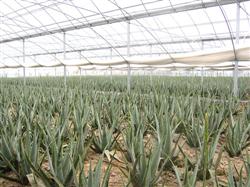
Greenhouse Aloe Cultivation Techniques Shared to Help You Grow Aloe Easily
Aloe, also known as oil onion, is a plant of the genus Aloe in the Liliaceae family, native to India. Edible aloe varieties include Curaçao, Arborescens, and Chinese aloe. The main variety cultivated in local greenhouses is Curaçao, also known as Barbados aloe or Curacao aloe. The botanical characteristics and cultivation points of aloe are introduced below: 1 Plant...
-

How to care for aloe vera in winter? These methods help it overwinter safely
How to help aloe vera overwinter safely
-

-
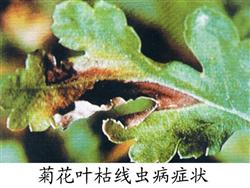
How to root chrysanthemum cuttings in water? Practical tips to help you propagate easily
Chrysanthemum foliar nematode disease is one of the important diseases of chrysanthemums. It is distributed all over the world, and occurs in Shanghai, Nanjing, Hefei, Guangzhou, Changsha, Kunming, Zhejiang and other places in China. It mainly damages chrysanthemum leaves, causing them to turn yellow and drop early. In addition to chrysanthemums, this nematode also harms China asters, black-eyed Susans, dahlias, ...
-
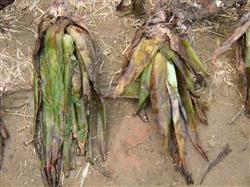
Winter cold protection methods for potted aloe, helping it overwinter safely
Potted aloe has fairly strict temperature requirements in winter; the lower the temperature, the greater the harm to the aloe. When overwintering, the main cold protection measures are: setting up a cold protection trench. You can dig a rectangular pit in a sunny, wind-sheltered yard; its size can be determined by the number of overwintering aloe pots and the size of the plants, generally 50-70 cm deep...
-

-

How is the condition of Euonymus japonicus disease? Let us help you recognize the common disease symptoms
1. Symptoms: In the early stage of the disease, there are small yellow spots on the leaves, which gradually turn yellowish-brown and expand into round or irregular spots. The diameter of the spots is 2 mm to 10 mm. In the later stage, the spots become grayish-brown or grayish-white, with darker edges, and many small black dots form on the spots. In severe cases, the spots merge into one large area, and the leaves turn yellow and fall off. 2. Disease pattern: The pathogen overwinters in the form of mycelium and other structures on diseased leaves or fallen leaves, serving as the primary infection source. Spores are spread by wind and rain. In the spring of the following year, as the temperature rises, conidia are produced,
-
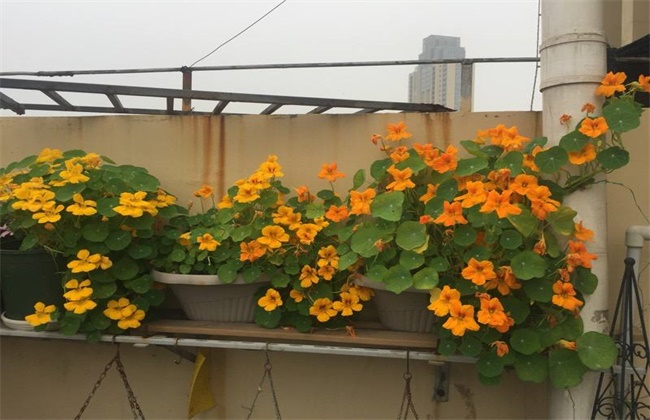
How to care for clematis in winter? Care tips to help it overwinter safely
How should clematis be cared for in winter?
-
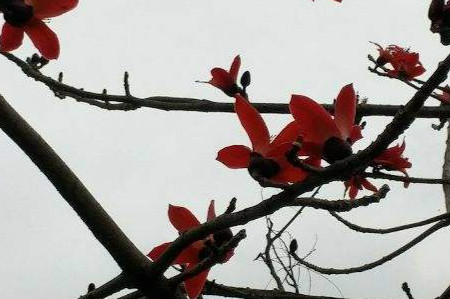
Is the kapok a flower or a tree? This article will help you get to know the kapok
What is the kapok, a flower or a tree
-
Expired beer works great for watering flowers, helping them grow vigorously
Watering flowers with expired beer makes them grow vigorously, with fantastic results
条件筛选