-

-
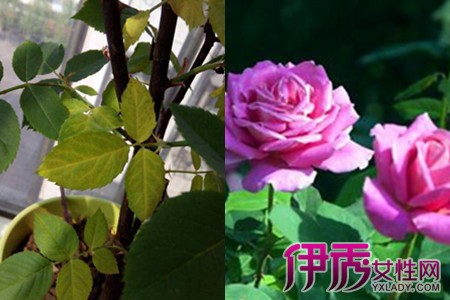
What to Do When Rose Leaves Turn Yellow: A Few Tips to Handle It Easily
Yellow leaves on roses are very unattractive, and if this continues for a long time, the leaves will drop entirely, and the rose will not bloom either. These signs indicate that the rose is no longer very healthy, so you need to think of some measures to promptly rescue this plant.
-
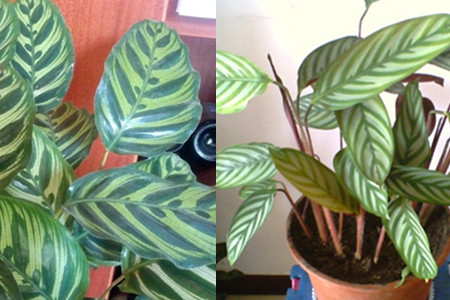
Yellowing Leaves on Calathea roseopicta: An Expert Teaches You the Right Way to Handle It
Calathea roseopicta belongs to the family Marantaceae and the genus Calathea (Goeppertia). It is a perennial herbaceous plant that can reach 80 cm in height, with long ovate or lanceolate leaves. Its branches and leaves grow densely and the plant has a full, rounded form; the leaves are thick and leathery, dark green and glossy on the upper surface, and purplish-red on the underside.
-
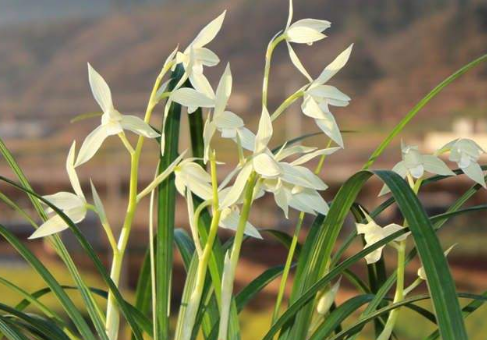
What to Do When the Leaves of the Snow Orchid Turn Yellow? Learn the Correct Way to Handle It
1. Lighting cause: Too strong sunlight will scorch the leaves of the Snow Orchid, especially in summer, when the Snow Orchid is extremely prone to sunburn, which causes the leaves to turn yellow. How to handle it: During the care of the Snow Orchid, control watering, pay attention to ventilation, avoid strong light exposure, and keep it in a cool place in summer with proper shading
-

What to Do When the Leaves of the Aglaonema 'Maria' Turn Yellow? Teaching You the Correct Way to Handle It
1. Water-induced yellowing. Cause: Too much water accumulating in the pot and prolonged dampness cause the soil of the Aglaonema 'Maria' to lack oxygen, which leads to rot in part of the growing root system and can even weaken the plant's ability to absorb nutrients. Solution: Loosen the soil immediately, stop fertilizing and control the amount of watering. In severe cases
-
What to Do About Root Rot in Clivia? Here's the Correct Way to Handle It
First we need to remove the rotten roots: take the Clivia with rotten roots out of the pot, shake off the soil, rinse the roots clean with water, and trim away the rotted root system with scissors. If some leaves have turned yellow or gone limp, cut off the damaged leaves too.
-
How to handle Amaryllis after flowering in water culture? Detailed care methods
Moving to soil culture Amaryllis water culture is very simple, but after water culture the bulb tends to shrivel and its nutrients are exhausted, making it hard to bloom the next year. So move the water-cultured Amaryllis to soil culture when the weather is warmer after flowering, apply water and fertilizer frequently to help the bulb recover its vigor, and after dormancy you can continue water culture. Pruning and care When the flowers of Amaryllis begin to fade
-
What to do when peace lily leaves turn yellow? Teach you the correct way to handle it
Keep the care environment relatively stable and reduce the degree of environmental change; just wait for it to adapt. If the plant's roots and stems are damaged, you can place it in a cool place and let it slowly adapt. Choose suitable soil - choose acidic soil when planting, and pair it with watering in daily care. The simplest method is to water with fermented rice-washing water or rainwater
-
What to Do If Your Peperomia Rotundifolia Has Root Rot? Here's the Correct Way to Handle It
You should deal with it according to how severe the root rot is. If it looks like the picture below, it can still be saved. If the root rot is severe and both the stems and leaves have rotted, there is nothing you can do. First, take the Peperomia rotundifolia out of the pot, then rinse it clean, cut off the rotted parts, then leave it in a cool, ventilated place for 1 hour until the wounds heal
-

What to do when the antler begonia (Lycium-like succulent, Monilaria moniliformis) becomes leggy? Teach you the correct way to handle it
What to do when Monilaria moniliformis becomes leggy
条件筛选