-
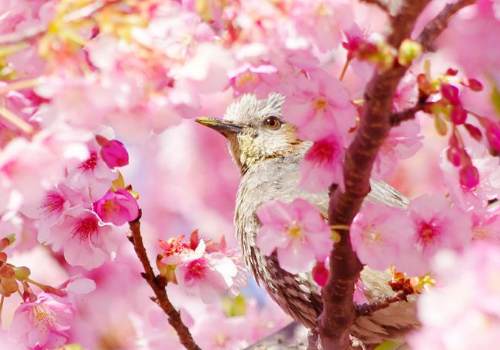
Cherry Tree Cutting Techniques and How to Handle Leaf Drop
Cherry trees are still relatively uncommon in China, and only some regions have them, so what about cherry tree cutting techniques? What should you do if the leaves drop? Cherry tree cutting techniques: selecting cherry tree cuttings. For cherry trees, choose a young and vigorous mother tree, cut one-year-old sturdy branches from the outer middle-upper part of its crown, keep the top shoot
-
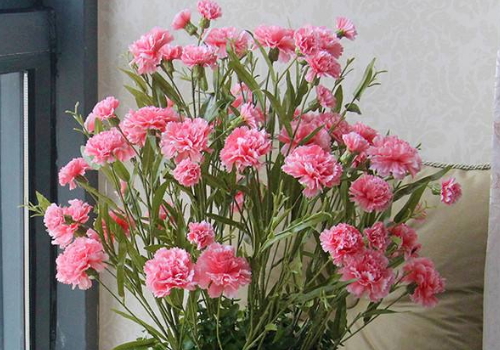
When should carnations be sown, and how should they be handled after the flowers fade?
Carnations are grown by many people in daily life and are very beautiful. When should carnations be sown? How should they be handled after the flowers fade? When to sow carnations: note that carnations are not heat-tolerant and prefer a cool environment; they grow poorly at a temperature of 30°C, and the best germination temperature is around 20°C
-
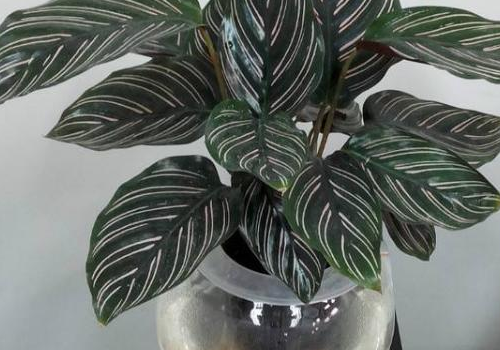
How to Handle Dry, Curled Leaves on Calathea ornata and Tips for Growing It in Water
Calathea ornata is one of those plants that many people know about, so what should you do if its leaves become dry and curled? Can it be grown in water? What to do when Calathea ornata leaves dry out and curl: mist more during the growing season. Calathea ornata has relatively large leaves and water evaporates fairly quickly, so it should be watered promptly.
-
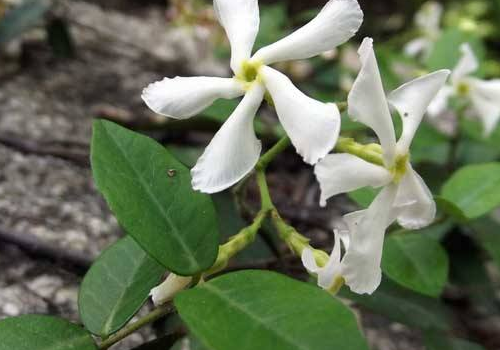
How to fertilize Star Jasmine? If it drops leaves, you can handle it this way
It has extremely high ornamental value, so it is deeply loved by consumers. How to fertilize Star Jasmine? What to do if it drops leaves: How to fertilize Star Jasmine: Star Jasmine likes fertilizer, but it is not demanding; all kinds of fertilizers can be used, and it can still bloom without fertilization for a year, but the number of flowers will be somewhat fewer. For potted Star Jasmine, if you want it to bloom profusely,
-

No More Struggles When Giving Your Puppy Medicine: Practical Methods to Handle It with Ease
If your beloved dog is a very obedient puppy, then when giving it pills or other solid medications, you should first command it to sit properly. Open the puppy's mouth, then as quickly as possible place the pill deep in its mouth, then gently close its lower jaw, lift its head upward, and stroke its neck to help the puppy swallow the pill. This process may take a few seconds. However, one of the best methods is to hide the pill (or crush the pill into powder) in food the puppy loves to eat
-
How to handle summer syndrome in eels? Keep the key precautions firmly in mind
The following points should be noted: First, the treatment of pond water. Because medication may need to be used for a long time, it easily causes water quality to deteriorate, so after each medication cycle ends, it is best to carry out a large water change to keep the water environment clean. Second, during the high-temperature period, pay attention to changes in water temperature and water quality. Generally, ventilation should be strengthened to increase dissolved oxygen in the water, and when necessary, raise the water level for medication to prevent a sharp change in water temperature during medication from increasing eel deaths. Third, in the early stage of the disease, even if antibiotics are used
-
How to handle a fish after the gallbladder is broken so it does not taste bitter
When preparing fish, never break the gallbladder. This is because the bile is extremely bitter, and once it touches the flesh it makes the flesh very bitter too, and no amount of washing or seasoning will help. What is more, fish gallbladder contains mild toxins, and even high heat will not eliminate the toxicity. So what should you do if you do break the gallbladder? Apply wine, baking soda or baking powder to the contaminated surface of the flesh to dissolve the bile, then rinse with cold water, and the bitterness can be removed.
-
How to Handle Sick Fish? The Correct Methods Every Breeder Must Know
If you notice abnormal signs in tropical ornamental fish such as loss of appetite, listless swimming, abnormal body color, or a white film growing on the body, these are all warning signs of illness! When you find ornamental fish suspected of being sick, you should scoop them out of the aquarium as early as possible and place them separately in another aquarium for isolation and treatment, to prevent the disease from spreading! At this time, note the following: 1. When scooping fish, move gently (to avoid the fish struggling in fright, which could spread the pathogens, and to avoid injuring the fish's body); 2. When isolating, be sure to use the original water (putting a sick fish into new water will instead lower the sick fish's resistance)!
-
How to handle oyster mushrooms during the flush transition period? A detailed guide to practical management methods
When oyster mushrooms are in the flush transition period, the first step is to remove mushroom stumps and dead mushrooms. Use a sharp knife to dig out the roots without leaving any residue, and pull out the dead mushrooms. Second, for wall-style fruiting, use wooden sticks with a diameter of 2 cm to 3 cm to make holes in the mushroom wall, driving them from top to bottom to a point 20 cm from the bottom layer, then pour the prepared nutrient water into the holes. Irrigate little but often, and add enough water. The nutrient water can be rice-washing water, mushroom root soup, urea water, etc. For ground-cultivated fruiting, the nutrient water can be poured into the pool along with the irrigation water. Third, after pouring the nutrient water, stop watering for 5 to 7 days. During this time, keep the air humidity at
-
How to handle nitrogen and iron deficiency in lilies? Nutrient management methods
Symptoms: The mesophyll tissue between the veins of young leaves turns yellow-green, especially in fast-growing plants. The greater the iron deficiency, the yellower the leaves become. Cause: Iron deficiency is most likely in calcium-rich soil (high pH), silty soil and soil with excessive water. If the soil temperature is too low, iron deficiency can also occur. Iron deficiency is caused by the plant lacking absorbable iron. If the yellowing is only slight, it can recover to normal by the harvest period. Lily groups and varieties sensitive to iron deficiency include Oriental hybrids and Lilium longiflorum (Easter lily) hybrids
条件筛选