-
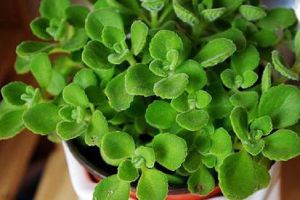
What to do if your Cuban oregano (Plectranthus amboinicus) has root rot? Here's the correct way to handle it
The most likely cause of root rot is improper watering. If the case is mild, you can first try to save it by removing the rotten roots and disinfecting them. If it is severe, you will need to re-root cuttings, which also root easily, so there is no need to worry too much.
-

Pothos and clivia bloom and fill their pots year after year, and this is how a Shandong auntie cares for them
Many flower lovers have grown pothos and clivia, but if you want them to fill their pots year after year and grow leaves that are big and plump, it takes some real effort. Huahua knows a Shandong auntie who is not only beautiful but also especially good at growing flowers. Huahua asked her for lots of great flower-growing tips, and now I'll share them with everyone right away!
-
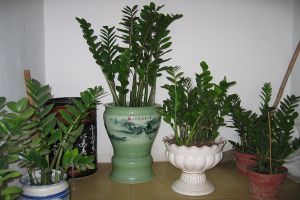
What to Do If You Accidentally Ingest the Sap of a ZZ Plant? Detailed Guide to the Correct Handling
This is a herbaceous plant. It is also known as the "dragon-phoenix plant," a name with very auspicious connotations. However, this article is not about its symbolism. Sometimes, people accidentally ingest its sap. So, is its sap toxic? If it really is ingested, how should it be handled?
-
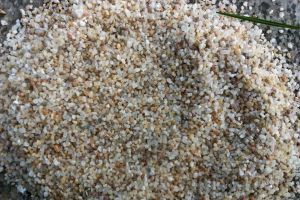
Sprinkle a handful of sand into the pot: no yellowing leaves, no root rot, roots sprouting like crazy, and even the little bugs stay away...
Gardeners who grow flowers often run into problems like compacted soil, or even little bugs burrowing into the soil. Don't worry. At times like this, all you need to do is grab a handful of sand and sprinkle it into the pot, and all your troubles are solved!
-
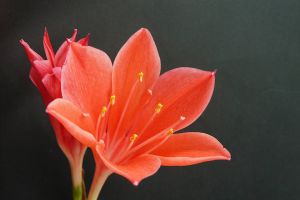
What to do when a purple-rooted lily (belladonna lily) has root rot? Learn the correct way to handle it
The purple-rooted lily is a perennial bulbous herbaceous plant. Because its bulb is purple and looks very similar to an orchid, it is called the purple-rooted lily, but it is also known as George lily; its flowering season runs from winter to the following spring, and its flowers are mostly red, very eye-catching when in bloom. Next, we will explain the causes of root rot encountered in daily cultivation and how to deal with it.
-
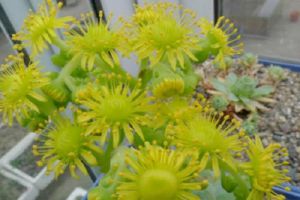
How to handle a mountain rose (Aeonium) after it blooms
Many people have grown this plant. It looks very cute, and its flowers in particular are gorgeous. But as we know, once it blooms, it tends to die soon afterward, so many friends have no idea how to handle it after it flowers and worry that it will die. So what should we do?
-

How to care for orchids in July? Keep this care guide handy
1. This month has two solar terms, Minor Heat (July 7 or 8) and Major Heat (July 23 or 24), entering the high-temperature period, with an average monthly temperature above 30°C. It is the hottest month of the year, with more than two-thirds of the days being clear days with the scorching sun overhead and unbearable heat. Therefore, the most important task this month is to strengthen shading, using...
-
How to care for orchids in June? Please keep this care guide handy
Climate characteristics this month: with Grain in Ear and the Summer Solstice marking the true start of summer, high temperatures, strong light and dry air are the hallmarks of this month! This month is mainly about protecting buds and leaves. On clear days, orchids can receive light freely before 10 o'clock, but after 10...
-
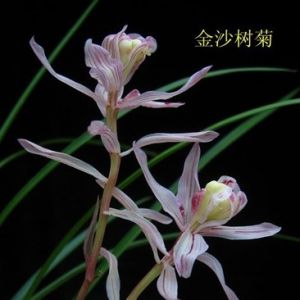
Jinsha Shuju (Thousand-Hand Guanyin) Cymbidium Lianban Orchid Variety Introduction
Jinsha Shuju, also known as Thousand-Hand Guanyin, is a broad-leaf Cymbidium Lianban orchid. The leaves are about 1CM wide and about 60CM long, usually 4-6 leaves, rarely 7. The leaf posture is slanted-upright, with the upper part semi-drooping, tall and imposing, and the plant color is light yellow-green, prone to tiny black spots; the buds are purplish-red, and the flower buds carry a purplish-red sandy blush when emerging from the soil, bloom easily, and leaf buds often sprout from the lower part of the flower stem. The flower...
-
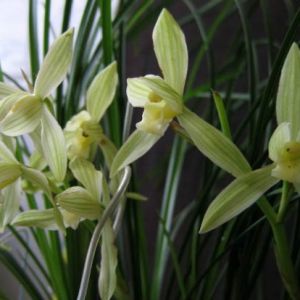
A handful of snow-like orchid petals, fully displaying the beauty of nature
Characteristics: leaves slanting upright, leaf margins with obvious serrations; leaves 0.6 cm wide and 50 cm long. Expert comments: "Yipengxue" has tall flower scapes, with 2-4 flowers per scape, large flowers reaching 6 cm in diameter, silvery white; sepals spindle-shaped, broad in the middle, tapering to a pointed tip, with flat shoulders and emerald green veins; petals short and round, mussel-shell shaped, forming a cylindrical shape together with the short and round lip, enclosing the column in the middle and exposing only the anther cap; fragrance rich and pure, flower appearance elegant, a rare Cymbidium tortisepalum.
条件筛选