-

Shandong garlic scape prices drop and sales are difficult; these ideas can help you open up sales channels
This year can be described as an unlucky year for garlic farmers. Not only are the prices of newly listed fresh garlic in the south low, but garlic scape prices in the north are also very low. For example, in my hometown in the Kaifeng area of Henan, garlic scape prices were five mao per jin a few days ago, and in the past two days garlic scape prices...
-
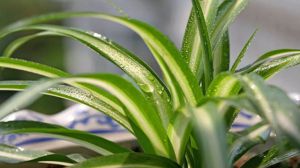
What to Do When Spider Plant Leaves Turn Yellow? Teach You the Correct Way to Handle It
There are many reasons why spider plant leaves turn yellow. If it is caused by improper watering, water it according to scientific methods - not too much or too often, and not too little. If it is caused by light, let it receive light scientifically - reduce it when strong and increase it when weak. If it is caused by improper fertilizing, fertilize scientifically - add fertilizer when it is lacking, and flush it away with clean water when there is too much.
-

Growing flowers easily leads to root rot; sprinkle a handful of these 4 things, and 9 out of 10 pots won't get root rot
The problem gardeners fear most is root rot. Once the roots die, the branches and leaves won't stand a chance of growing well, which directly reduces the ornamental effect. With these 5 things, just pick one and sprinkle it into the flower soil, and 9 out of 10 pots of flowers won't get root rot! Like common...
-

Encyclopedia of Orchid Fertilization Knowledge, a Detailed Guide to the Orchid Grower's Handbook
The Orchid Grower's Handbook: Encyclopedia of Orchid Fertilization Knowledge
-
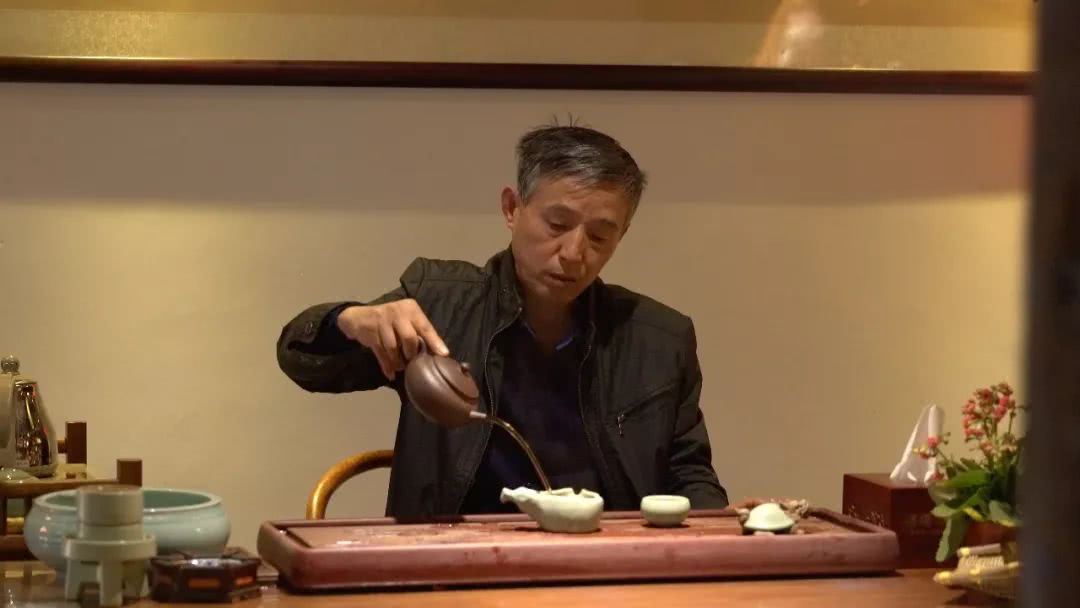
A handful of clay can actually grow such beautiful plants
Hello everyone, I'm Cheng Jiping. I've focused on purely handmade zisha (purple clay) for over 50 years and I'm also a seasoned tea lover, a native of Dingshu Town, Yixing, Jiangsu, China. My ancestors all made zisha teapots. My mother-in-law is Bao Xiuyun, one of Master Gu Jingzhou's beloved disciples, and she...
-
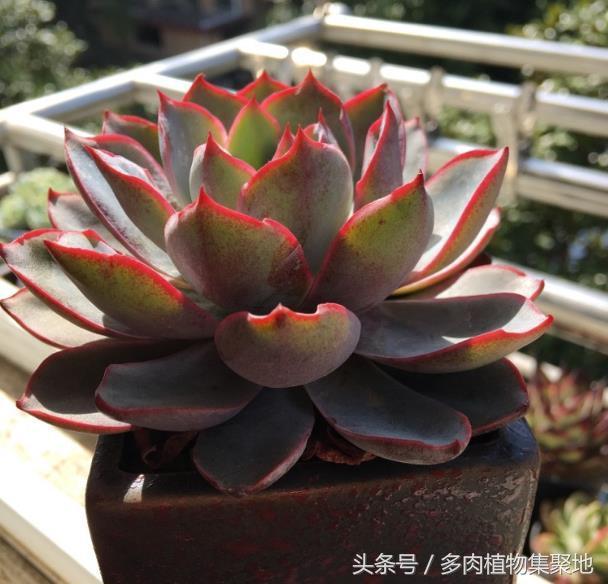
What to do when a succulent turns black in one area after division? Handle it properly and your propagation success rate doubles
Black rot is one of the most common diseases in succulents. It is usually a fungal infection caused by overwatering or an overly humid growing environment. It takes many forms, and by the time you notice it, it is often already too late. Stay vigilant at all times...
-
Bonsai Field Planting and Stock Cultivation Tips: Root Development and Stock Cultivation Go Hand in Hand, Achieving Two Goals at Once
For those who practice bonsai, cultivating stock is essential. Those who have the conditions prefer field planting, because the roots of field-planted stock are unrestricted, and the more developed the roots, the faster the stock grows. However, free root growth also has a drawback: the direction of the roots is very hard to control...
-

Detailed Guide to Post-Bloom Handling Methods and Care Techniques for Rieger Begonia
After the Rieger begonia (Begonia × hiemalis) finishes blooming, you can first replace two-thirds of the old soil and add fertilizer fermented from rice bran and soybean residue, then prune its branches, but do not throw away branches with budding tips; insert them into water, they will take root in half a month and bloom in two months, and finally just carry out watering, lighting and other care work.
-

What should you do if your Christmas cactus (Schlumbergera) has been frostbitten? Learn the correct way to handle it
If the temperature drops below five degrees, the Christmas cactus is very prone to frost damage. Once you notice it, take action promptly. If the plant is grown at home, move it indoors to a warm place right away. You can also move it to a warm place such as a greenhouse. Or, cover it with some plastic film, etc. Once you find it has been frostbitten, you must take action promptly.
-

What to do about root rot in Rieger begonia? Here's the correct way to handle it
First, it could be lack of water or too much water, so you need to water it in time or replace the potting soil; second, it could be improper fertilizing, so you need to reduce the amount of fertilizer or replace the soil; it could also be caused by temperatures that are too high or too low, so you can cool it down or keep it warm; finally, it could be caused by poor ventilation, so you need to open the windows regularly to let air in.
条件筛选