-
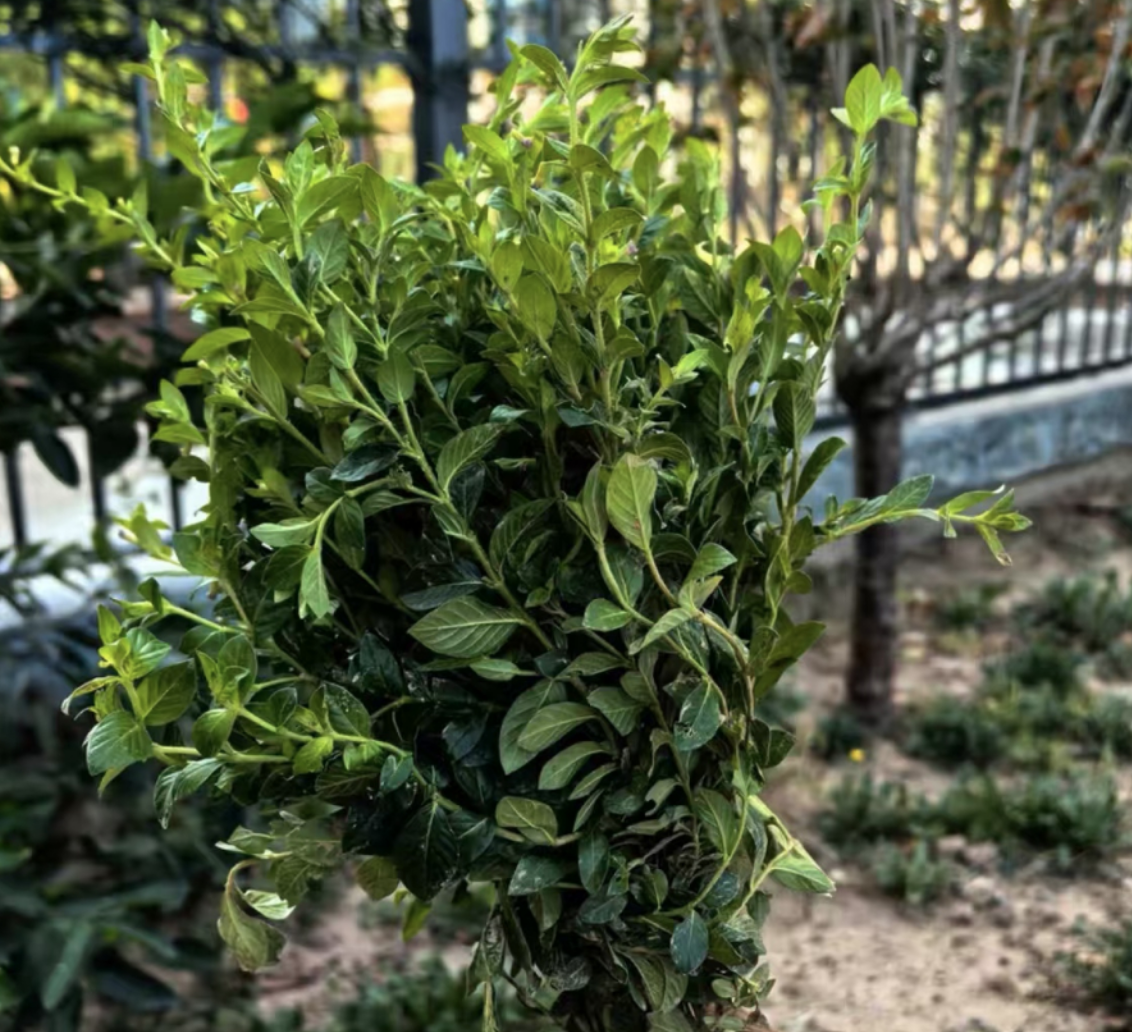
Comparison between the seedlings of Gypsophila and Vaccaria hispanica
In this vast and wonderful world, there is no lack of strange things, and this is especially true in the world of flowers. Especially for plants that belong to
-

How to Grow Baby's Breath? A Detailed Guide to the Latest Planting Methods
Baby's breath, also known as Gypsophila, Gypsophila paniculata, and baby's breath, is a perennial herbaceous plant of the genus Gypsophila in the carnation family (Caryophyllaceae), native to the Altai Mountains region of Xinjiang and Tashkurgan. It grows at altitudes of 1100-1500 m in riverbanks, grasslands, fixed sand dunes, stony slopes, and farmland.
-
How to grow baby's breath (Gypsophila) and points to note: apply nitrogen fertilizer early and phosphorus fertilizer later
Summary Temperature: Baby's breath (Gypsophila) is shade-tolerant and cold-tolerant, and prefers a warm, humid environment; the ideal daytime temperature is around 10-25°C. Light: Light directly affects the number of flowers. Soil: Choose fertile humus soil with good air permeability and water permeability. Water: Follow the principle of not watering until dry, and watering thoroughly when you do.
-
What is the difference between baby's breath and Gypsophila? A detailed comparison explained in one go
Baby's breath is Gypsophila; the two are the same plant. Gypsophila has a wide range of uses, combining ornamental and medicinal value. Because its flowers are small, light-colored, and its flower posture is fluffy with a three-dimensional feel, its temperament is elegant and refined, giving people a hazy impression, and the group effect of the inflorescence is excellent, it is one of the most popular
-
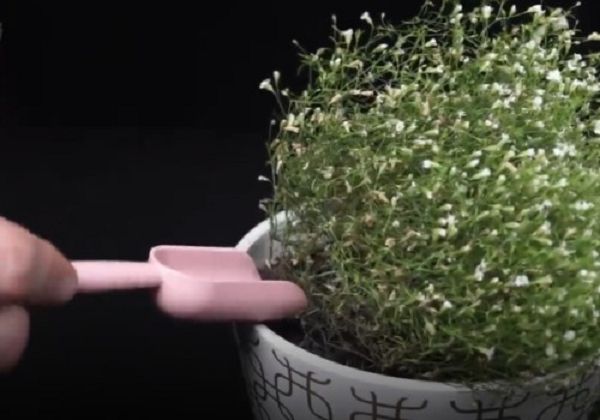
How do you care for baby's breath (Gypsophila) to get a bursting pot? Master these few care points
How to make baby's breath burst into a full pot
-
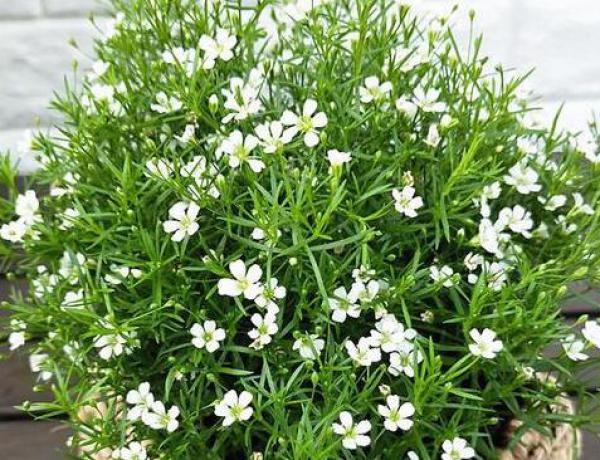
How to grow baby's breath (Gypsophila) in pots at home? A detailed guide to the planting method
How to grow baby's breath in pots at home
-
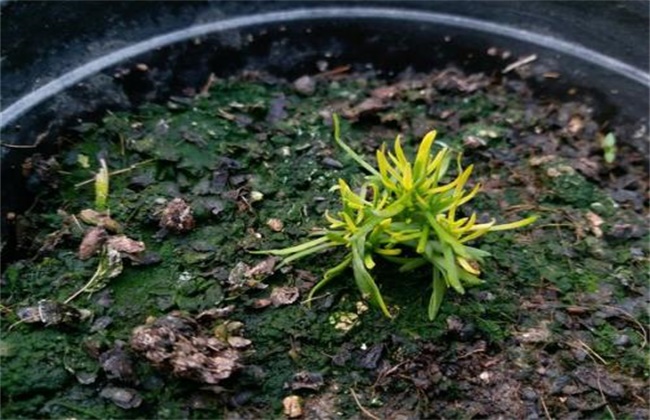
What to Do When Gypsophila Leaves Turn Yellow? Causes and Solutions
What to Do When Gypsophila Leaves Turn Yellow
-
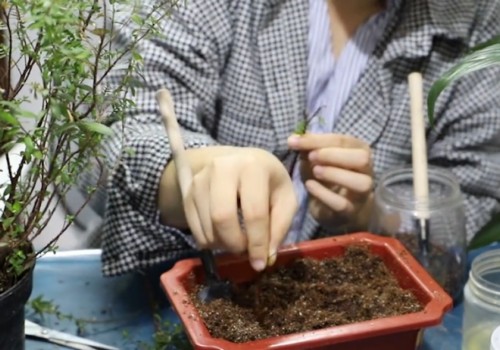
Detailed Guide to Gypsophila Cuttings Propagation Methods and Steps
Gypsophila (baby's breath) stays evergreen all year round, with delicate flowers and leaves and an exceptionally long blooming period. It brings a fresh, light feel while also being pleasing to the eye. Grown as a potted plant, its ornamental value is very high. It is often propagated by sowing, cuttings, division and other means. By comparison
-
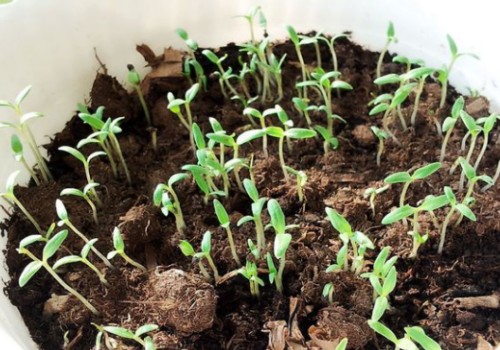
What soil is best for sowing and raising Gypsophila (baby's breath) seedlings? Key points for choosing seedling soil
Gypsophila not only has a long flowering period, but also has high ornamental value, so it is very widely used: it can serve as a cut flower material, be grown in pots for viewing, and also be used to beautify and accent environments. If you want to propagate young seedlings, you can do so both by sowing seeds and by cuttings. So
-
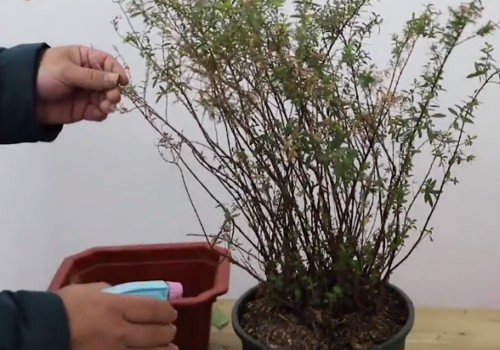
How to care for baby's breath (Gypsophila) with insufficient light? Care tips shared
Baby's breath (Gypsophila) is a flowering plant with delicate, adorable blooms. Grown as a potted plant at home, it can be enjoyed for its beauty and also adds charm to the home environment. This is mainly because its flowering period is especially long, its blooms are as numerous as stars, and it also has fairly strong drought and cold tolerance, so it is very easy to care for
条件筛选