What to Do When Gypsophila Leaves Turn Yellow? Causes and Solutions
Gypsophila (baby's breath) is a fairly common cut-flower plant with high ornamental value. Grown as a potted plant at home, it looks delightful too. But during the care of gypsophila, yellowing leaves may appear, and it is not just the old leaves turning yellow - new leaves keep turning yellow as well. What is going on here? How should it be solved? Let's take a look.
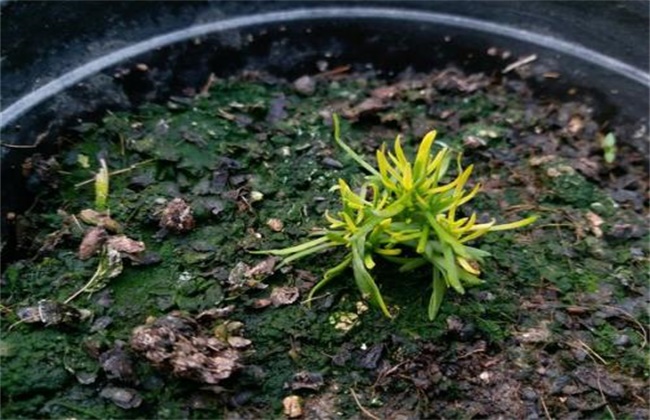
1. Overwatering
In the process of growing gypsophila, it has a relatively high demand for water, so it often needs watering, but watering must be kept within limits and the amount must be carefully controlled. If too much water is given when watering, the soil of gypsophila can easily become overly moist, or even waterlogged, which can easily cause root rot and lead to dry, yellowing leaves.
Solution: When growing gypsophila, be sure to water it at the right time and in the right amount. Wait until the soil is on the dry side or has cracked before watering, and it is best to place the plant in a well-ventilated spot for care, so as to avoid excessively high humidity.
2. Weather Causes
Weather can also cause gypsophila leaves to turn yellow, and this phenomenon is fairly common in summer, because summer is hot with high temperatures, and gypsophila stops growing and enters a dormant state. If at this time you still water and fertilize as usual, root rot can easily occur, causing the leaves to dry out and turn yellow. In addition, exposure to strong sunlight in summer can also damage its leaves, causing them to turn yellow and dry up.
Solution: So when caring for it in summer, be sure to pay attention to cooling and shading. Do not let the plant receive overly strong light, and at the same time appropriately increase the watering frequency. You can also spray water on the plant to increase air humidity.
3. Iron Deficiency
Plant growth and development cannot do without nutrient elements, and the growth of gypsophila cannot do without iron. When the plant lacks iron, its leaves will turn yellow.
Solution: When watering gypsophila, add a small amount of ferrous sulfate to the water, which can very effectively supplement its iron. But be sure to pay attention to the solution concentration - a ferrous sulfate content of one part per thousand is sufficient. It can also be sprayed on the leaves, once every 20 days, and after about 2-3 times it can return to normal.
4. Overcrowded Growth
When temperature, humidity, and fertilizer and water are sufficient, gypsophila grows quite fast. If the branches and leaves grow too densely, it will affect the permeability of the inner leaves, because they cannot get sunlight, and over time the leaves will turn yellow.
Solution: Appropriate pruning is needed. Thin out the overly dense branches properly to ensure that the inner branches and leaves can also receive light. After pruning, place it in a well-ventilated, sunny spot so it can be exposed to fresh air.
The above is an introduction to what to do when gypsophila leaves turn yellow. We hope it helps you. To learn more related knowledge, please stay tuned to us.