-
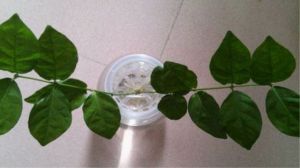
Can jasmine root in water? Detailed guide to the water propagation method
Jasmine can indeed root in water. First, choose a clean propagation bottle and add water to a depth of 2 to 3 cm. Then select a healthy stem, remove the leaves at the bottom, and keep only 2 to 4 leaves at the top. After that, when light, temperature and ventilation are suitable, insert it into the bottle and wait for it to root.
-

How to Plant Dahlia Tubers: A Detailed Guide to the Planting Method
When planting dahlias, the first step is to select the tubers, and those with healthy roots and plump, fleshy tissue are the best; then choose the correct planting method. First treat the roots, then begin planting. Dig a 20 cm hole in the ground and add fertilizer; next plant the tuber and set a stake in place, then backfill with soil and water, and finally prune as appropriate.
-
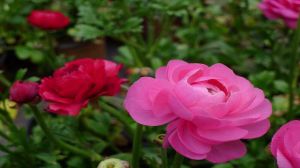
How to water Ranunculus asiaticus? A detailed guide to the correct watering method
Ranunculus asiaticus (Persian buttercup) is fairly drought-tolerant, but it is afraid of waterlogging. Right after planting, water it thoroughly once using the soak method. During the growth stage, control water in the early period, and ensure an adequate water supply during the vigorous period, watering once every day. However, in summer you should control it appropriately and reduce watering, otherwise the roots rot easily; just spray some water. In winter, reduce watering or do not water at all.
-
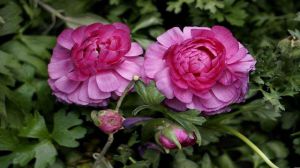
How to Plant Ranunculus Corms? A Detailed Guide to the Planting Method
It is better to plant ranunculus corms in October to November. You can use a flower pot with thinner walls and larger holes in the bottom. The growing medium can be mixed yourself. First, carry out the sprouting treatment. After that, put sand in the container and bury the corms in it. Water thoroughly once, then place in a semi-shaded spot. Note that during this sprouting period you should not water.
-
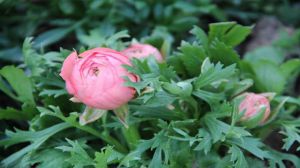
How to propagate Persian buttercup? A detailed guide to common propagation methods
The main methods used to propagate Persian buttercup are seed sowing and division. For seed sowing, healthy seeds must first be harvested, cold-stratified to encourage germination, and then sown in loose, airy, fertile, slightly acidic soil. For division, the dormant tubers are dug up and broken apart into small tuberous roots that each have a bud. After disinfection, they are inserted into moist sand.
-

A Complete Guide to Pruning the Large Money Tree
When pruning a large money tree, you first need to prepare pruning tools, using a dedicated pruning knife, with garden shears being the best option; then apply fertilizer to the plant, mainly a dilute nitrogen fertilizer; next, cut off the overly dense and messy branches, keeping 1 to 2 young buds; finally, provide shade and ventilation.
-
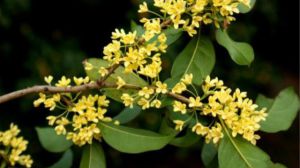
When Does Osmanthus Bloom? A Detailed Guide to Its Flowering Period
Different varieties of osmanthus bloom at different times. Golden osmanthus (Jin Gui) blooms from September to October each year, with golden-yellow flowers. Silver osmanthus (Yin Gui) also blooms from September to October each year, with silvery-white or yellowish-white flowers. Orange osmanthus (Dan Gui) blooms in October each year, with orange-red or orange flowers. Four-season osmanthus (Si Ji Gui) can bloom all year round, though it produces fewer flowers.
-

How to grow potted dahlias? A detailed guide to the cultivation method
To grow potted dahlias, first choose suitable soil, mainly loose and breathable; then temperature, with around 20°C being the best; next is watering, normally once every 3 to 5 days; then fertilizing, once every 7 to 10 days during the growing season; finally, prune appropriately and spray pesticides on schedule to prevent pests and diseases.
-
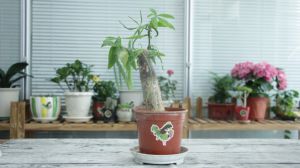
What to Do When a Money Tree Gets Bugs? A Detailed Guide to Pest Control Methods
When a money tree gets bugs, you should first identify exactly which kind of bug it is, then treat it accordingly. If it is scale insects, use baijiu mixed with water to drench the soil, or use a small cotton ball dipped in vinegar to wipe the stems and leaves. If it is red spider mites, you need to spray a dedicated pesticide. If they are moth and butterfly larvae, you can simply pick them off by hand. After removing the pests, the plant needs good care.
-

Detailed guide to aquatic plant pruning precautions, these key points cannot be ignored
1. When pruning, it is best to turn off the surface skimmer. For foreground plants like dwarf hairgrass, mini dwarf hairgrass, and dwarf baby tears, their density is lower than water, so during pruning many fragments will float on the water surface. These fragments are very likely to enter the filter canister through the skimmer's float and toothed comb...
条件筛选