-
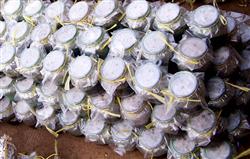
How to prevent spawn degeneration in button mushrooms? Practical prevention and control methods shared
How to prevent spawn degeneration in button mushrooms? Please provide methods to prevent spawn degeneration in button mushrooms. It can increase yield, reduce the occurrence and development of pests and diseases, and reduce pesticide use. It is the foundation of organic button mushroom production. The following methods can be used for prevention: 1. The ambient temperature for culturing spawn must not exceed 2...
-
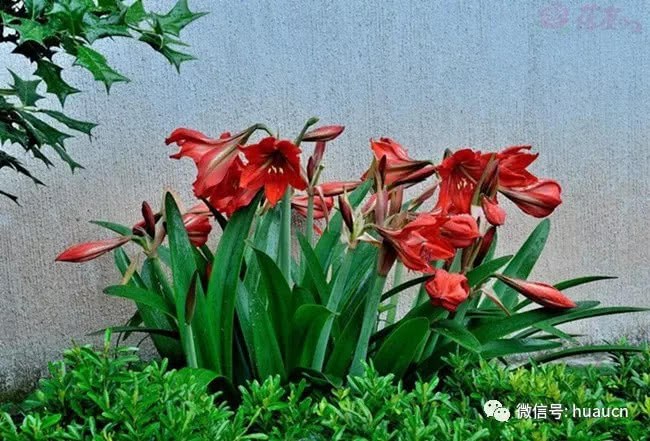
Flowers and green plants in companion planting rely on the mutual generation and mutual restraint of the five elements to achieve mutual benefit
I. Mutually beneficial flowers and green plants 1. Planting pot marigold (Calendula officinalis) together with Chinese rose (Rosa chinensis) can effectively control soil nematodes and make the Chinese rose grow vigorously; 2. Amaryllis (Hippeastrum) and night-blooming jasmine (Cestrum nocturnum), camellia and red Zephyranthes, pomegranate flower and sunrose (Portulaca grandiflora), lacecap hydrangea and Chinese rose, scarlet sage...
-

Owes money but won't repay it, yet buys a house and a car; 7 people from three generations of one family died
Owes money but won't repay it, yet buys a house and a car - 7 people from three generations of one family are just gone! Play Like this article? Share it right away so more people know! This site is rich and substantial in content, broad and profound; the editor selects trending news every day, updated anytime...
-
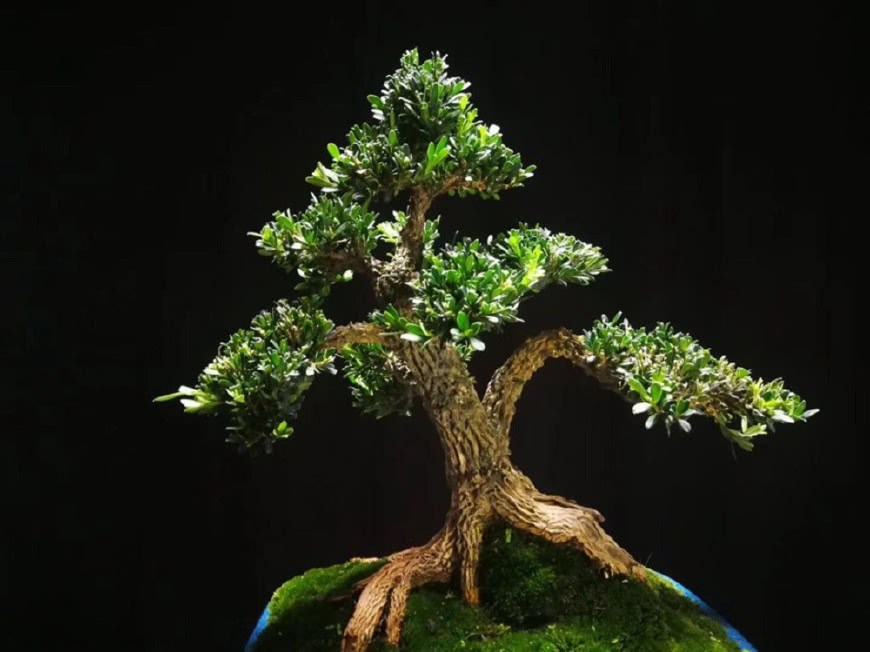
Why can potted boxwood reign for generations?
As a bonsai tree species, boxwood can be traced back as far as the Hemudu Neolithic period, when our ancestors had already learned to plant boxwood in stone tools, which can be considered the earliest boxwood bonsai. Boxwood bonsai has developed to this day, and has already...
-

Most corrupt officials are brought down by their mistresses; those who throw tantrums are all second-generation officials.
Great content, click below to watch more. To see more content, please click: Bonsai article summary and compilation! Like this article? Share it right away...
-
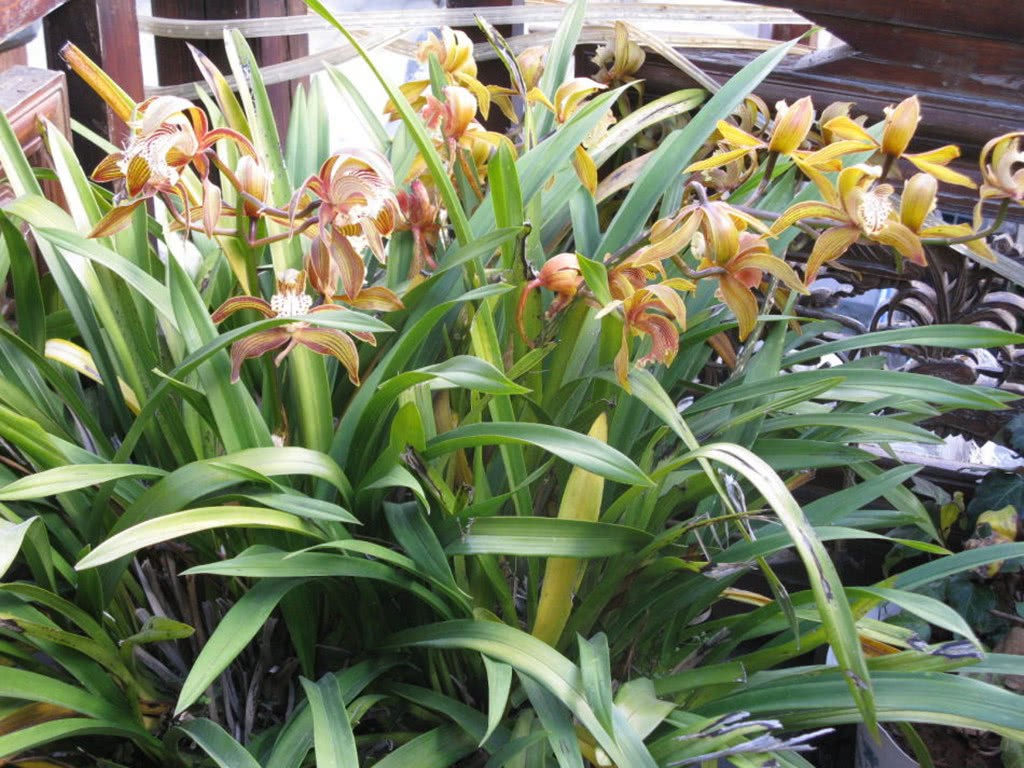
Should autumn orchid divisions keep three generations together? A farmer's practice proves this works better
Must autumn orchid divisions keep "three generations under one roof"? A farmer's practice tells you this works better. Growing orchids is a calm path of self-cultivation, and friends without a bit of patience really cannot manage it. Because orchids, as a highly ornamental...
-
A dialogue between two generations of daughters-in-law on eco-friendly food customs
A dialogue between two generations of daughters-in-law: eco-friendliness, food and customs
-

Moderate to slightly light occurrence of the second generation of rice stem borers in Suijiang County in 2007
Rice stem borers in our county include the yellow stem borer (Scirpophaga incertulas), the striped stem borer (Chilo suppressalis), and the giant stem borer (Sesamia inferens). In the riverside area, 3 generations occur per year; in the mid-mountain area, 2 generations occur per year. At present, the first generation in the riverside area has ended, and the second generation is beginning to occur successively. According to observations at our station's Fengchi pest and disease monitoring point, this year's second-generation moth flight began on June 10, 1 day earlier than last year and 2 days later than normal years, with the peak day on June 18, 1 day later than last year and 8 days earlier than the historical average; by June 25, a cumulative total of 234 moths had been trapped, with the yellow stem borer, striped stem borer, and giant stem borer accounting for 94.9
-
How to scientifically control the first generation of the second-brood striped stem borer in single-season rice
Control recommendations 1. For early-sown and early-transplanted single-season rice fields, carry out a full control treatment once from June 20-25, targeting mainly stem borers and small brown planthoppers, and also controlling early-occurring leaf folders and rice thrips. Use 5% fipronil (Regent) suspension concentrate at 40-50 ml/mu, diluted in 30 kg of water for spraying. 2. For fields where rice stripe disease has occurred, on the basis of pulling out and removing diseased plants, promptly apply chemicals to control small brown planthoppers. Use 40% chlorpyrifos (Xinnongbao, Saiben) at 100 ml/mu, diluted in 30 kg of water for spraying, and repeat the treatment after an interval of 5-7 days.
-
Control recommendations for the fourth generation of white-backed planthopper in rice issued, please carry out timely prevention and control
For the pesticide, use 40% chlorpyrifos (Xinnongbao, Saiben) 100 ml/mu plus 25% buprofezin (Puhsiling) 50 g/mu plus 5% jinggangmycin 200 ml/mu (or 30% Aimiao 15 ml/mu), mix with 30 kg of water for fine spraying.
条件筛选