-

<strong>How to Propagate Sedum pachyphyllum (Jelly Beans Succulent): Watering Tips</strong>
Sedum pachyphyllum (Jelly Beans) is a succulent that does not like to grow in clusters, so it usually grows as a single, independent plant and rarely produces side shoots. Therefore, when it comes to propagating Sedum pachyphyllum, the available options besides sowing seeds are only leaf cuttings and beheading cuttings. So how
-
Key Points of the Film-Wrapping Regeneration Technique After Bark Peeling of Eucommia ulmoides
1. Peeling cycle. Mastering the peeling cycle has practical significance for increasing the per-unit-time bark yield and economic benefits of Eucommia ulmoides. From the perspective of short-term benefits, the shorter the peeling cycle, the greater the bark yield, but the regenerated bark will become increasingly thinner, and at the same time the tree vigor will be noticeably weakened, and the bark-producing life of the tree will be relatively shortened.
-
Control methods for the third-generation cotton bollworm in cotton
1. Manual egg collection and pest elimination. Since most third-generation cotton bollworms are found in the flowers and bolls of insect-resistant cotton, for insect-resistant cotton fields, withered flowers should be removed promptly and pests eliminated manually. For other cotton fields, manual egg collection and pest elimination can be carried out along with pruning and removal of side branches, and the remaining branches and withered leaves should be taken out of the field
-
Which generation does a Boer goat belong to? Teach you a quick way to tell
How do you tell which generation a Boer goat is? If you want to select high-quality Boer goats, you first need to know the differences between the generations of Boer goats. At present, Boer goats range from generation 1 to 6, and many people do not know how to identify them, especially adjacent generations. At present, many places are using Boer goats
-
How many generations of the boring pest cotton bollworm occur in a year, and how should insecticides be used for its control?
The cotton bollworm, of the order Lepidoptera and family Noctuidae, is widely distributed in China and around the world, and occurs in both cotton-growing and vegetable-growing regions of China. The cotton bollworm is an important boring pest during the cotton bud and boll stage, mainly boring into and feeding on buds, flowers and bolls, and also feeding on tender leaves. So how many generations of the cotton bollworm occur
-
Causes of Variety Mixing and Degeneration in the Latest Wheat Varieties and Control Methods
Variety mixing and degeneration in wheat is a common problem that occurs after superior wheat varieties have been planted for multiple seasons; once mixing and degeneration occur, the purity of the wheat seed is lower, quality deteriorates, stress resistance declines, and yield drops noticeably. So what causes wheat quality mixing and degeneration
-
The Latest Preventive Measures for Potato Variety Degeneration
Potato degeneration is a common phenomenon in production, and its direct manifestations are deformed plant growth, small tubers, and a large drop in yield, seriously affecting farmers' income. The main cause of potato degeneration is planting the same variety year after year, which leads to
-
Causes of Purple-Skinned Garlic Degeneration and the Latest Control Measures
Many farmers growing purple-skinned garlic use their own saved seed garlic, and over time the garlic degenerates, showing symptoms such as stunted plants, pale green leaves and smaller bulbs, with yields dropping year after year, which seriously affects garlic farmers' income. So what causes purple
-
Dairy farming must be done better with each generation
For dairy farming, you raise female dairy cows, because only cows can produce milk. When do cows produce milk? Only after they have conceived and given birth to a calf do they start producing milk. So getting a cow pregnant and having her calve is a very important matter. But nowadays, whether it's dairy cows raised by farming households
-
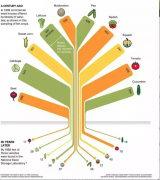
Heirloom seeds passed down through generations, yet over 95% have already disappeared from farmland
More than ten thousand years ago, humans realized they could keep part of the harvested seeds to replant the following year. "Xin Yu": The common people ate meat and drank blood, and clothed themselves in hides and fur; as for Shennong, he thought that crawling insects and running beasts were difficult to raise the people on, so he sought things that could be eaten, tasted the fruits of the hundred plants, and examined sour, bitter, and
条件筛选