-

Moderate to slightly light occurrence of the second generation of rice stem borers in Suijiang County in 2007
Rice stem borers in our county include the yellow stem borer (Scirpophaga incertulas), the striped stem borer (Chilo suppressalis), and the giant stem borer (Sesamia inferens). In the riverside area, 3 generations occur per year; in the mid-mountain area, 2 generations occur per year. At present, the first generation in the riverside area has ended, and the second generation is beginning to occur successively. According to observations at our station's Fengchi pest and disease monitoring point, this year's second-generation moth flight began on June 10, 1 day earlier than last year and 2 days later than normal years, with the peak day on June 18, 1 day later than last year and 8 days earlier than the historical average; by June 25, a cumulative total of 234 moths had been trapped, with the yellow stem borer, striped stem borer, and giant stem borer accounting for 94.9
-
How to scientifically control the first generation of the second-brood striped stem borer in single-season rice
Control recommendations 1. For early-sown and early-transplanted single-season rice fields, carry out a full control treatment once from June 20-25, targeting mainly stem borers and small brown planthoppers, and also controlling early-occurring leaf folders and rice thrips. Use 5% fipronil (Regent) suspension concentrate at 40-50 ml/mu, diluted in 30 kg of water for spraying. 2. For fields where rice stripe disease has occurred, on the basis of pulling out and removing diseased plants, promptly apply chemicals to control small brown planthoppers. Use 40% chlorpyrifos (Xinnongbao, Saiben) at 100 ml/mu, diluted in 30 kg of water for spraying, and repeat the treatment after an interval of 5-7 days.
-
Control recommendations for the fourth generation of white-backed planthopper in rice issued, please carry out timely prevention and control
For the pesticide, use 40% chlorpyrifos (Xinnongbao, Saiben) 100 ml/mu plus 25% buprofezin (Puhsiling) 50 g/mu plus 5% jinggangmycin 200 ml/mu (or 30% Aimiao 15 ml/mu), mix with 30 kg of water for fine spraying.
-
Why is the nipplefruit also called "five generations under one roof" and "golden fruit"
Aliases: five generations under one roof, golden fruit, five sons paying birthday respects. Family and genus: an evergreen small shrub of the genus Solanum in the family Solanaceae. Morphological characteristics: the fruit of the nipplefruit is golden yellow with a peculiar shape; its flowering and fruiting period is summer and autumn, and the fruiting period is long, especially after leaf fall in early winter, because its fruit does not change color or shrink, making it unique and attractive. It is an upright branching small shrub, usually grown as an annual, with a plant height of 0.5--1.5 m, relatively sparse leaves, and the whole plant covered with waxy yellow flat spines. Its flowering and fruiting period is summer and autumn; before flowering, the flower buds often droop, and when fully open they are slightly upright, with 5 purple flowers
-
A Detailed Guide to the Stubble-Cutting Regeneration Cultivation Technique for Eggplants
Many years of practice have proven that stubble-cutting regeneration cultivation of eggplant plants is an effective measure for increasing yields, lowering production costs, boosting economic returns, and regulating the peak and off seasons for eggplants. This technique is simple and easy to carry out, and its methods are as follows. 1. Timing of stubble cutting. In spring and autumn, eggplants fetch high prices but yields are low, while in midsummer they enter a period of high yields and low prices. Therefore, the height of summer when the dog days begin is the best time to cut back eggplant plants. In addition, eggplants have the characteristic that the fruits of the main-stem eggplant, the first eggplant, and the four-direction eggplant are large and plump, while the fruits on the upper part of the plant are small and thin and are not welcomed by the market. Through cutting back the plants for regeneration, the high-yield, low-price period is pushed back by exactly 30-40 days, and when the market is short of eggplants, the regenerated eggplants from cutting back are in exactly their high-yield, high-price period, so the high-yield, low-price period for eggplants is the best time for cutting back the plants.
-
Scientific control methods for the first-generation Asiatic rice borer (Chilo suppressalis) in rice
According to surveys conducted across Hubei Province, the overwintering mortality rate of the Asiatic rice borer this year was higher than last year, and the post-winter population base was lower than last year but still relatively high. In addition, suitable climate conditions and the expansion of high-quality rice varieties are both favorable to the occurrence and damage of rice stem borers, and the first-generation Asiatic rice borer will show a major outbreak trend in the rice-growing areas of our province, making the control situation still severe. In response to this severe situation, all localities should strengthen leadership, raise awareness, actively organize control efforts, and quickly launch a campaign to wrest grain from the pests to ensure the safety of grain production. 1. Recognize the situation clearly and strengthen organizational leadership. Last winter, our province suffered freezing ice and
-
Causes of Potato Degeneration and How to Prevent It
(1) Causes of Potato Degeneration When potatoes are planted in spring in the hot summer regions of the south, after one or several years the yield gradually declines, and there may even be no harvest at all; this phenomenon is called potato degeneration. The direct external cause of potato degeneration is damage by viruses. Common ones in the south include mosaic virus, leafroll virus, common mosaic virus and spindle tuber viroid. These viruses are transmitted through mechanical friction, aphids, leafhoppers or soil nematodes and other vectors, infecting the plants and causing degeneration. High temperature is the indirect external cause of potato degeneration.
-
Forecast for the occurrence trend of the first generation of the striped stem borer in rice is released
1. Occurrence level: The first generation of the striped stem borer, the main rice pest in our city, is expected to occur at a moderate-to-severe level, with the affected area in the city reaching more than 250,000 mu, of which more than 50,000 mu are early-planted idle fields. 2. Occurrence period: Moths seen under light on April 11, the beginning of the peak moth emergence period 5/9-12, the peak moth emergence period 5/20-24; the peak egg hatching period 5/27-5/30, the peak period of first and second instar larvae 6/4-6/10, the occurrence period is 3 days later than the average of the past three years. 3. Forecast basis 1. Development progress: This year 4/2
-
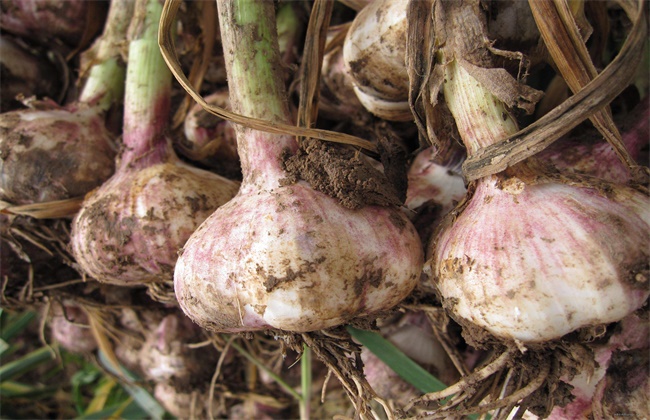
What to Do About Purple-Skinned Garlic Degeneration? Causes and Control Measures Explained
Causes of Purple-Skinned Garlic Degeneration and Control Measures
-
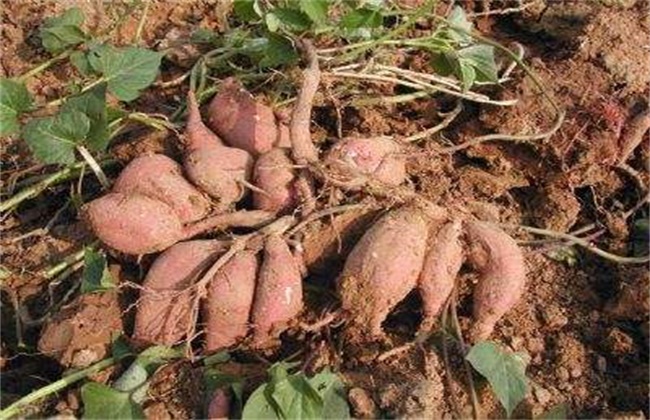
What to Do About Sweet Potato Quality Degeneration? Cause Analysis and Prevention Measures
Causes of Sweet Potato Quality Degeneration and Prevention Measures
条件筛选