-

What four diseases can pig bile treat? Detailed explanation of its effects and functions
1. Treating indigestion. Take one pig bile, 15 grams of mashed garlic, add some mung bean powder and mix evenly, make into pills the size of apricot kernels, feed each pig 2 times a day, 1 pill each time, 3 days as one course of treatment. 2. Treating gastroenteritis. Stuff soybeans into the pig bile, dry in the air, then take them out, feed each pig soybeans 2 times a day, 20-30 grams each time. 3. Treating pneumonia. Take one fresh pig bile, stuff crushed alum into the bile, filling it appropriately, dry in the air, then grind into powder for later use. For pigs over 50 kg, administer 9-12 grams
-
What are the basic functions of drugs used for soft-shelled turtles?
There are many functions and effects of drugs used for soft-shelled turtles, but to summarise, they mainly act in the following three ways: 1. Inhibiting or killing pathogens. At present, most drugs used for soft-shelled turtles have the effect of killing and inhibiting pathogens, such as antibacterial drugs like sulfonamides, furans, antibiotics and garlic, antifungal drugs like table salt, formalin, the Chinese herbal medicines gallnut and sweet flag, and antiparasitic drugs like copper sulfate, ammonia water and potassium permanganate. These drugs achieve the effect of killing pathogens through indirect means (
-
Detailed Explanation of the Growth, Development and Functions of Rice Roots
After the seeds are pre-germinated, they sprout and grow roots. At first, only one root grows, called the seminal root (primary root), which develops from the radicle of the seed. The fibrous roots that later grow from the root primordia at the stem nodes are called adventitious roots. The coleoptile node and the incomplete leaf node produce about 5 roots, the first, second and third leaf nodes produce about 10 roots each, and the nodes above the fourth leaf position produce about 10 to 20 roots each. This is because the leaves increase in size in sequence from bottom to top, so the nutrients supplied for root growth increase in sequence, and the number of roots produced also increases. The nodes of the aboveground part generally do not produce roots. The nutrients produced by the leaves are
-
What are the characteristics and functions of the cotton root system?
Cotton originated in tropical and subtropical regions and is a perennial plant. Through long-term artificial selection and breeding, it gradually moved northward to temperate zones and evolved into an annual crop. It is sown, buds, flowers, sets bolls, and matures its seeds within a single year, completing its growth cycle. During growth and development, cotton still retains several characteristics of its original perennial nature, possessing an indeterminate growth habit. Under suitable conditions, it can continuously produce more fruiting branches, and those fruiting branches can in turn continuously produce more fruiting nodes, endlessly forming new flower buds, flowers, and bolls. Cotton is a taproot crop with a well-developed root system, a deep main root, and widely distributed lateral roots
-
What are the medicinal values of Codonopsis pilosula? A detailed explanation of its effects and functions
The root of Codonopsis pilosula (poor man's ginseng) is used as medicine; it is sweet in taste and neutral in nature. It has the functions of tonifying the spleen and replenishing qi, quenching thirst and promoting fluid production, and is used to treat weakness of the spleen and stomach, insufficiency of lung qi, fatigue and weakness, shortness of breath with wheezing and coughing, weak voice, dizziness and palpitations due to blood deficiency, dry tongue due to depletion of fluids, thirst, and other conditions. The cultivation history of Codonopsis pilosula is relatively short, and no record of cultivated Codonopsis pilosula has been seen in the materia medica of past dynasties. Shanxi Province was the earliest to cultivate Codonopsis pilosula artificially. Changzhi County, Shanxi Province, is the "hometown of Codonopsis pilosula" in China.
-
Detailed Introduction to the Functions and Roles of Rice Leaves
The rice leaf is composed of two main parts: the leaf blade and the leaf sheath, in addition to accessory organs such as the auricle and ligule. The junction where the leaf sheath connects to the stem is called the leaf node. The junction where the leaf sheath connects to the leaf blade is called the leaf collar. When the seed germinates, the first thing to grow out is the coleoptile that protects the young shoot as it emerges, also called the sheath leaf. The sheath leaf differs from other leaves in that it is white and shaped like a cylinder. The second leaf has only a leaf sheath and no leaf blade, and is called an incomplete leaf. Leaves beginning from the third node have both a leaf sheath and a leaf blade, and are called complete leaves. Counting the number of leaves of a variety
-
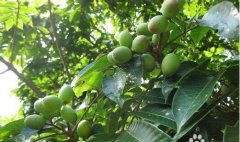
What are the benefits and effects of olives? Eating olives often has many benefits
What benefits do olives have, and can you eat them often? So what are the main benefits and effects of olives? Let's take a look together. The olive is the fruit of the olive plant, a member of the Oleaceae family. People may have begun cultivating olives before recorded history; the Bible frequently mentions
-
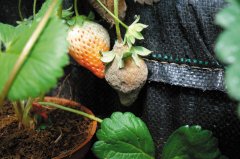
What Are Biopesticide Yeasts? A Detailed Explanation of Their Functions and Benefits
Humans have used yeasts in the food fermentation industry for thousands of years. Through selected and domesticated strains, they can be used not only to produce beer and various alcoholic beverages, but also to ferment bread and steamed buns. In addition, research in recent years into their potential for plant disease control is flourishing.
-
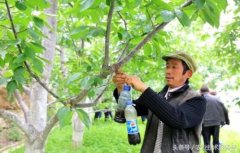
How to Make Sugar-Vinegar Solution: Formula Ratios and Functions Explained
Sugar-vinegar solution: Spraying sugar-vinegar on leaves can prevent and control pests, diseases and frost damage. After spraying vinegar solution on crop leaves, it increases leaf acidity, which in turn inhibits or kills pests and diseases that cannot tolerate acidic conditions, achieving control. According to observational research, bacterial diseases
-
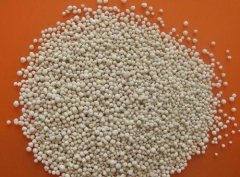
A Detailed Explanation of the Types, Functions, Advantages and Disadvantages of Chemical Fertilizers
Are chemical fertilizers good to use? Nowadays chemical fertilizers are no longer very popular, and everyone is talking about organic fertilizers, so what advantages do chemical fertilizers still have? Chemical fertilizers are a source of pollution: applying large amounts of fertilizer to farmland inevitably causes a great impact. Chemical fertilizers are usually a
条件筛选