-
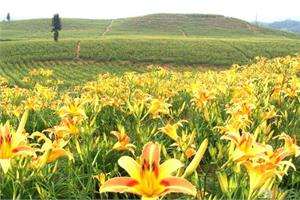
What are the effects and functions of eating daylily
What effects and functions does eating daylily have
-
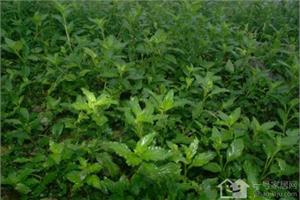
What does Fushen look like, and what are its effects and functions?
What does Fushen look like? What are the effects and functions of Fushen?
-

Detailed introduction to the effects and functions of chrysanthemum
Detailed introduction to the effects and functions of chrysanthemum
-
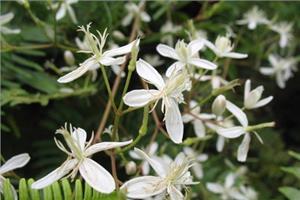
What are the effects and functions of Clematis armandii? Do not use it indiscriminately
Understand the effects and functions of Clematis armandii, do not use it indiscriminately
-

Ferrous Sulfate Fertilizer Explained: Functions and Application Methods
In the agricultural supplies market, sky-blue or green ferrous sulfate powder or crystals are often seen, but quite a few readers are still not very familiar with the functions and application methods of ferrous sulfate...
-

What medicinal value does the Silkie chicken have? A detailed explanation of its effects and functions
The medicinal value of the Silkie chicken
-
Vegetable markets should not be labeled as non-capital functions
Don't slap the "non-capital" label on vegetable markets
-
What are the medicinal values of China pink? An analysis of its effects and functions
China pink (Dianthus chinensis) has a low, compact growth habit, with stems resembling bamboo and lush green foliage. Its natural flowering period is from May to September, blooming from late spring all the way to mid-autumn, and when potted in a greenhouse it can flower in all four seasons. The flowers are borne at the tips of the branches, either singly or in pairs, and sometimes in paniculate cymes. The flower diameter is not large, only 2 to 3 cm, but the blooms are abundant, opening one after another, giving a long ornamental period. Flower colors include white, pink, red, rose pink, scarlet, purple, light purple, yellow, blue and more, colorful and endlessly varied. In gardens it can be used in flower beds, flower borders, raised flower platforms or as potted plants, and can also be used in rock gardens and at the edges of lawns
-
What are the reasons and functions of adding salt to chicken feed?
Chlorine and sodium are present in the body fluids, soft tissues, and eggs of chickens. They help maintain the acid-base balance of the chicken's body, keep the osmotic pressure balance between cells and blood, and enable the chicken's tissues to retain a certain amount of moisture. In addition, they are the raw materials for forming gastric juice and gastric acid, can promote the activity of digestive enzymes, and play a major role in the digestion and absorption of fat and protein. Salt can improve the palatability of the diet, stimulate appetite, and increase feed utilization. Therefore, salt is both an essential nutrient and a flavoring agent. If the chicken's diet lacks sufficient salt, it will cause
-
Functions of Essential Nutrient Elements in Garlic and Detailed Explanation of Deficiency Symptoms
Garlic prefers loose soil rich in humus, has strong adaptability to soil pH, and grows well under slightly alkaline conditions. Among the different growth stages of garlic, the demand for nitrogen is the highest, followed by potassium, calcium, phosphorus, and magnesium. For every 1000 kg of fresh garlic produced, it needs to absorb 4.5-5.0 kg of nitrogen, 1.1-1.3 kg of phosphorus, and 4.1-4.7 kg of potassium, with a ratio of about 1:0.25-0.9. The root system of garlic is a string-like fleshy root system, mainly distributed within the 5-25 cm plow layer, and it belongs to shallow-rooted vegetables.
条件筛选