-

Cotton production outlook not optimistic, experts recommend focusing on four management measures
Reporters learned from the province-wide cotton production and high-yield creation work conference held on August 26 that this year's cotton production situation in our province is extremely unoptimistic. In response to the current realities of cotton production, attending experts recommended that cotton farmers focus on four measures. This year's cotton production in our province is characterized by reduced area, lower per-unit yield, and decreased total output. According to incomplete statistics, the province's actual harvested cotton area is around 11 million mu, a decrease of more than one million mu compared to last year. Cotton per-unit yield is expected to be 70-75 kg, with total output of 75-80 million tons, a decrease of 10
-
Four key aspects to focus on in late-stage cotton management
The main goal of late-stage cotton management is to promote cotton maturity, early boll opening, no premature senescence, and no excessive late-season green growth. Good pruning work: First, for cotton fields with lush foliage and heavy shading, remove the old leaves and empty branches on the lower part of the main stem. Second, promptly remove superfluous buds, adhering to the principle that superfluous buds should not exceed one cun. Third, tip the clusters, generally removing the cluster tips of the lower, middle, and upper fruiting branches in stages. Fourth, for cotton fields with particularly severe shading or during periods of abundant rain, carry out 2 to 3 rounds of pushing rows together to promote cotton boll maturity and reduce moldy cotton bolls. Foliar fertilization
-
Several Technical Measures to Focus on in July After Cotton Topping
I. Scientific Chemical Regulation 1. Regulation According to Growth Vigour After cotton topping, generally 1 to 2 chemical regulation applications are made. The first is 3 to 5 days after topping; for fields with about 12,000 plants per 667 sq m, apply 4 to 5 grams of mepiquat chloride in 30 kg of water; for fields with more than 16,000 plants, apply 6 to 7 grams of mepiquat chloride in 40 kg of water. The second chemical regulation depends on the individual development and population size of the cotton plants, and moderate heavy regulation is carried out according to the weather, soil moisture, and the growth vigour and appearance of the cotton plants, generally per 667 sq m
-
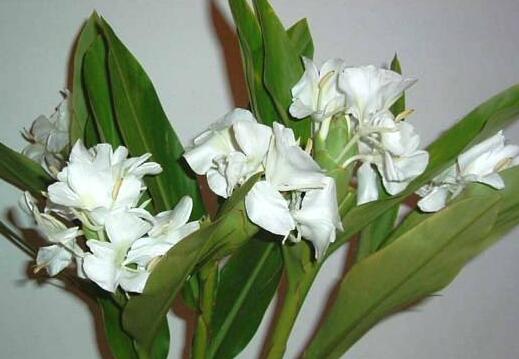
How to treat ginger lily fusarium wilt? Pest and disease control focuses on strengthening management
If humans get infected with a virus, they get sick. So if plants are attacked by pathogens or pests, will they get "sick"? The answer is yes. For example, when growing ginger lilies, improper care can easily lead to infection with mosaic virus, anthracnose, fusarium wilt and so on.
-
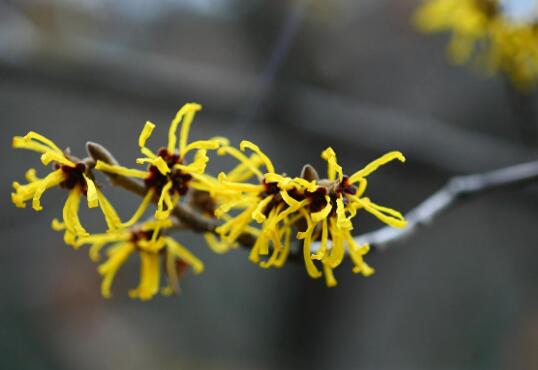
Witch hazel pest and disease control methods, focusing on 2 types of pests and 3 types of diseases
Pests and diseases are one of the most unwelcome situations plants can encounter during growth, and witch hazel is no exception. These problems are extremely harmful to it, not only affecting its ornamental value, but in severe cases also causing it to wither and die. So what should you do when witch hazel gets infested with pests? How should witch hazel pest and disease control be done
-
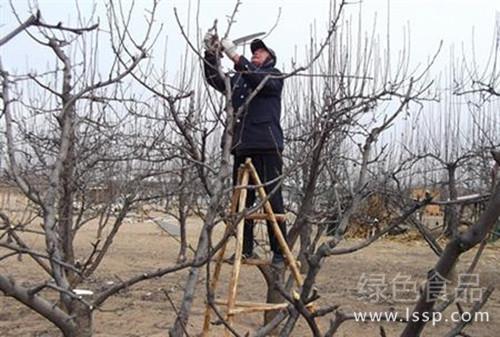
To ensure pear trees safely overwinter, focus on clearing the orchard, whitewashing, fertilizing, pruning, and freeze protection
Key points for safely overwintering pear trees: clearing the orchard, whitewashing, fertilizing, pruning, and freeze protection
-
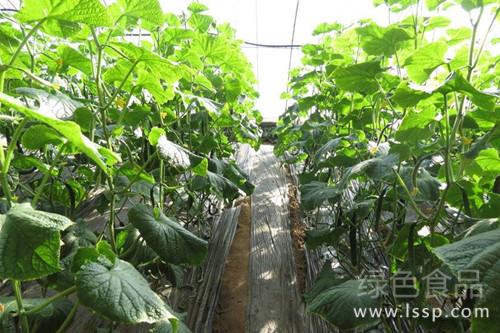
Myths in overwintering cucumber management: focusing on air temperature while ignoring low temperature and light
The management myth of focusing on air temperature while ignoring low temperature and light in overwintering cucumbers
条件筛选