To ensure pear trees safely overwinter, focus on clearing the orchard, whitewashing, fertilizing, pruning, and freeze protection
Proper winter management of pear trees helps them accumulate nutrients, control pests and diseases, and secure a bumper harvest the following year. Pear growers are encouraged to change the habit of resting and idling through the winter and instead manage their pear trees carefully. Focus on the following points:
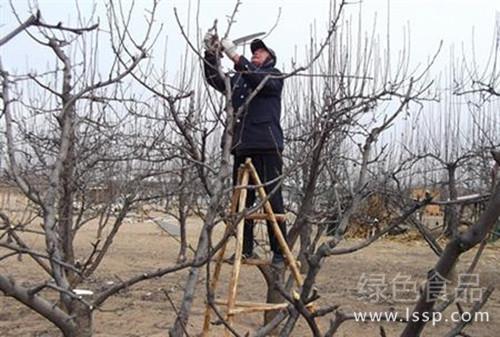
Pear tree overwintering
I. Clearing the orchard and whitewashing:
Promptly clear fallen leaves, weeds, diseased fruit, and diseased branches from the pear orchard, and burn or deep-bury them in a centralized manner to eliminate harmful pathogens. Spray the pear tree trunks with a 1:5 limewater solution. Because limewater is strongly alkaline, it can kill pathogens and insect eggs on the tree, creating favorable conditions for a bumper harvest the following year.
II. Fertilizing and watering:
Autumn and winter are the peak period for pear tree root growth and a key period for the tree to accumulate nutrients. Seize the favorable window from after pear harvest to before the soil freezes to fertilize promptly and replenish tree nutrients in time, which helps flower buds plump up and injured roots recover. The amount of topdressing at this stage should account for 60%-70% of the annual fertilizer application. Fertilization should be mainly organic fertilizer to increase soil organic matter content, improve soil aggregate structure, and enhance soil permeability. Combine it with a three-element compound fertilizer and medium and trace elements such as calcium, boron, and zinc. Organic fertilizer mainly refers to fermented and decomposed human and livestock manure and urine, and manually composted straw and other farmyard manure. Fertilization can use the radial trench method; generally the trench width is 30-40 cm, the trench depth is 30-40 cm, and the trench length exceeds the tree's projection area. After fertilizing, water promptly to help the pear tree absorb nutrients and for root recovery. Watering with freezing water can also enhance the pear tree's cold resistance.
III. Tying grass bundles:
Tying grass bundles on pear tree trunks can lure overwintering insect eggs. Before spring of the following year, burn them in a centralized manner to reduce the pest population and lessen the occurrence of pests and diseases the following year.
IV. Deep plowing the root zone:
Deep plowing the root zone can loosen the soil and enhance soil permeability, while also freezing pest eggs to death or letting birds eat them, reducing pest damage the following year.
V. Shaping and pruning:
Pear tree shaping and pruning should be determined according to factors such as pear variety characteristics, tree age and vigor, pruning response, natural conditions, and cultivation management level, with targeted shaping and pruning. For young trees, shaping is the main focus. According to the pear variety and planting density, determine the tree shape to promote earlier fruiting and high yield. For pear trees in full fruit period, thin branches to let light through and thin the outer to nourish the inner, so as to avoid bare bases of main branches caused by insufficient light in the inner canopy. At the same time, continuously renew and rejuvenate fruiting branch groups to enhance their vigor and maintain good fruiting ability. Also pay attention to coordinating the relationship among large, medium, and small fruiting branch groups so that fruiting branch groups are evenly distributed in the tree canopy, thereby increasing yield and improving quality. For aging pear trees, carry out renewal and rejuvenation in time, rebuild a new canopy, retain as many new shoots as possible, and train them into fruiting branch groups as quickly as possible.