-
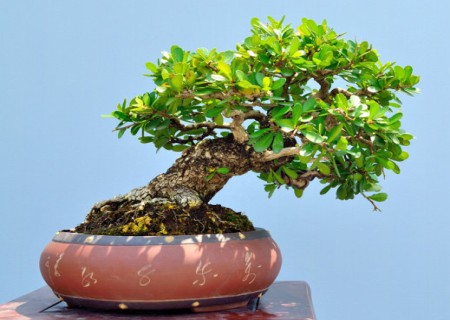
A detailed explanation of the Lingnan bonsai crown-finishing branch method, mastering the key points of tree crown shaping
For the crown finishing of a stump bonsai, the traditional left-right-left method can be changed to a spiraling crown finish. This keeps the crown low yet still allows for a rich tree form, giving the bonsai plant a wonderful effect of a thick but low trunk in a specific natural environment. At the same time, it also gives people a fresh, simple and natural feeling
-
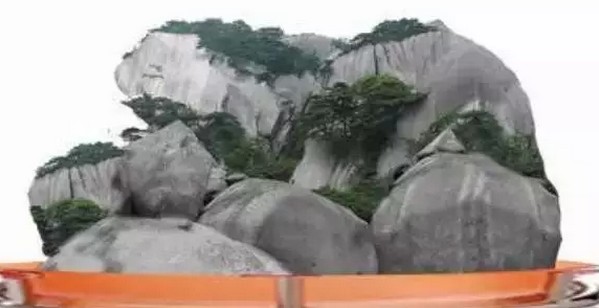
Finishing and Embellishment Techniques After Completing a Landscape Penjing
To create a landscape penjing, one generally first determines the theme and carries out a preliminary artistic conception, then selects materials such as the pot, stones, plants and accessories, then processes and arranges the stones, and finally embellishes with plants and accessories. The pot is the main component of the penjing and also plays a major role in its appreciation
-
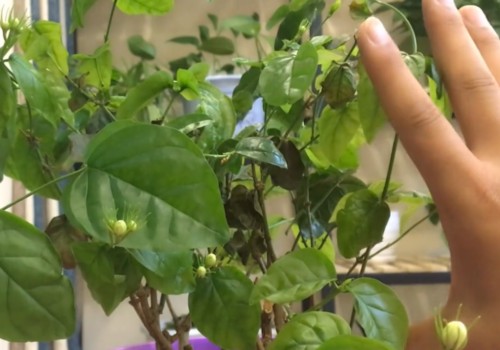
How to care for jasmine after it finishes blooming? Detailed management methods
Jasmine not only has a long blooming period, but its flowers are also very elegant and refined, and it can also give off a refreshing fragrance. So, keeping a pot of jasmine at home will surely fill the space with fragrance when it blooms, making people feel relaxed and happy. Perhaps because of this, although jasmine is ordinary, it is loved by the public. However
-
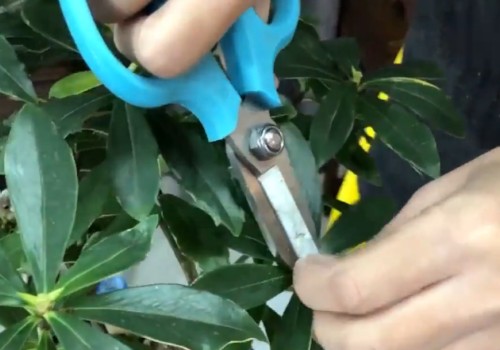
How to care for Daphne odora after it finishes blooming? Master these management points
Daphne odora is both beautiful and fragrant when in bloom, and it is also fairly shade-tolerant, preferring a growing environment with partial shade and plenty of scattered light, so it is very suitable as a household potted plant grown indoors. The only issue is that its fragrance is very strong, and to keep people from feeling uncomfortable, the environment must have smooth ventilation
-

What is the best way to handle a hyacinth after it has finished blooming?
In its native habitat, hyacinths of course bloom every year, but after arriving in China they tend to degenerate easily, so they are still imported every year. A few places in China can produce them, but the output is far from enough. Here we must guard against two notions: one is thinking they can only be used once, and the other is believing that rough, careless management will still let them bloom again. First
条件筛选