-
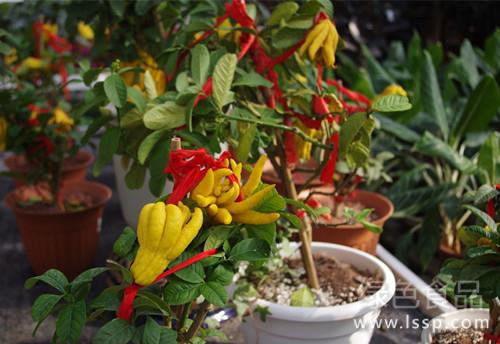
How to Grow Finger Citron in Pots: Great Shape, Color and Fragrance, Highly Ornamental
Finger Citron Has Great Shape, Color and Fragrance and Is Highly Ornamental: How to Grow Finger Citron in Pots
-
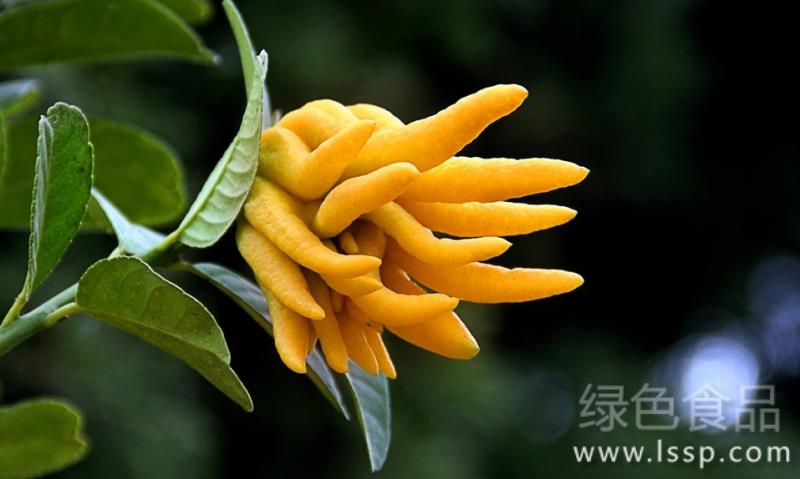
Wide use and good market returns for Guangdong finger citron: how to cultivate it for high yields
Guangdong finger citron has wide uses and good market returns; how to cultivate it for high yields
-

How to Grow Fingered Citron (Buddha's Hand)? Detailed Guide to Cultivation Methods and Precautions
This installment of Feng Shui Wealth-Bringing brings us the cultivation methods and precautions for growing Fingered Citron (Buddha's Hand). Fingered Citron is a tropical and subtropical plant that prefers warm, humid environments with plenty of sunlight. It is not tolerant of severe cold, fears frost and drought, and is tolerant of shade, poor soil, and waterlogging. Next, let Feng Shui Wealth-Bringing continue to explain in detail.
-
Home Cultivation Techniques and Daily Care Methods for Finger Citron
Finger citron, known in ancient times as Feirang, also called fingered citron, five-finger citron, or finger citron fragrant citron, belongs to the Rutaceae family, Citrus genus, and is an evergreen small tree or shrub. Finger citron is native to China and India, and is a precious fruit ornamental and medicinal plant, as well as one of China's famous fruit ornamental flowers. Finger citron, plant height 1-2 m, evergreen, branches and leaves grayish-green
-
Introduction to Finger Citron Propagation and Seedling Methods: Quickly Master the Key Points of Raising Seedlings
Finger citron (Citrus medica var. sarcodactylis) is a shrub or small tree in the genus Citrus, family Rutaceae. It is a tropical and subtropical plant that prefers a warm, humid environment with plenty of sunlight. It is cultivated in various places south of the Yangtze River in China, and in the southern provinces and regions it is mostly grown in courtyards or orchards. It is usually used as a traditional Chinese medicine, or grown as an ornamental plant because of its unusual fruit shape, and it has extremely high cultivation value.
-

Detailed Explanation of Potted Planting Methods and Care Techniques for Finger Citron
The leaves of finger citron are emerald green and remain evergreen throughout the four seasons. The fruit of finger citron is golden yellow, richly fragrant, and oddly shaped like a hand, in a thousand and one forms, making it delightful and endlessly fascinating. Finger citron not only has high ornamental value but also possesses precious medicinal and economic value. At the same time, finger citron can also be grown as a potted plant.
-

How do you cultivate a fingertip-sized bonsai? Detailed method shared
Everyone has seen bonsai, and there are countless bonsai of all sizes. A few years ago, palm-sized bonsai were very popular, but today the editor is telling you about bonsai that are only fingertip-sized. So who is more impressive, fingertip bonsai vs palm-sized bonsai?
-
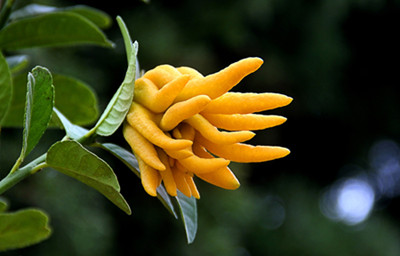
What nutritional value does finger citron have? How should finger citron be eaten?
The fruit of the finger citron is the chayote, a vegetable variety of the Cucurbitaceae family. Chayote is crisp and juicy, delicious and palatable, with relatively high nutritional value. It can be used in dishes, and can also be eaten raw as a fruit; it is also a traditional Chinese medicine that strengthens the stomach and regulates qi. The leaves, flowers and fruit of the finger citron can be brewed as tea or steeped in liquor for drinking.
-
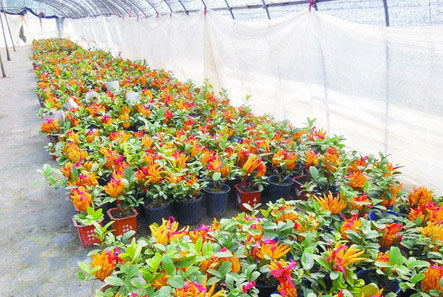
How to Grow Potted Small-Fruited Golden Finger Citron? A Detailed Guide to Care Techniques
Potted small-fruited finger citron differs somewhat from large-fruited finger citron, and several issues need attention in its management. First, pruning must be timely. When summer temperatures are high, humidity is great, and nutrition is abundant, the plant will produce large numbers of branches with slender internodes, unsubstantial tissue, and no flower buds
-
Detailed Explanation of Key Cultivation Techniques for Yongchun Finger Citron Tea
I. Planting Techniques The construction of tea gardens should attach importance to ecological balance, without destroying natural resources, and to soil and water conservation. Proceeding from the actual local conditions of tea production, tea production bases should be built in a concentrated manner, appropriately concentrated and contiguous, so as to facilitate management, reduce costs, increase benefits, and be more conducive to centralized factory processing and improving tea quality. The construction of tea gardens should also adhere to high standards and high quality, and gradually achieve improved tea tree varieties, garden-style tea areas, water conservancy in tea gardens, and scientific cultivation. 1. Tea trees
条件筛选