-
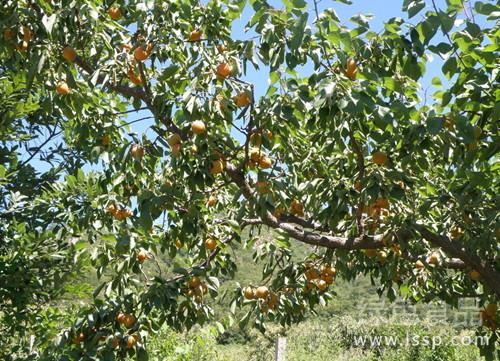
Apricot trees are salt-alkali tolerant but sensitive to water: a detailed explanation of the environmental conditions required for growth
Environmental conditions required for growing apricot trees, which are salt-alkali tolerant but sensitive to water
-
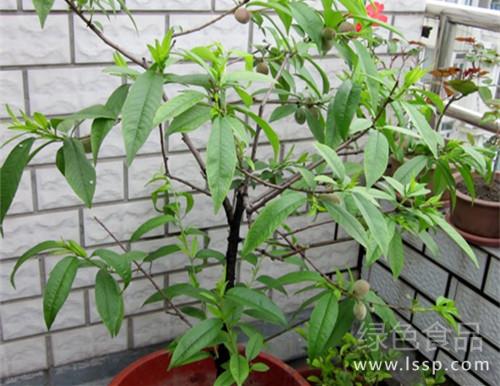
Potted peach tree planting and management methods: beautify the environment and harvest fresh fruit
Potted peach tree planting and management methods that both beautify and provide fresh fruit
-
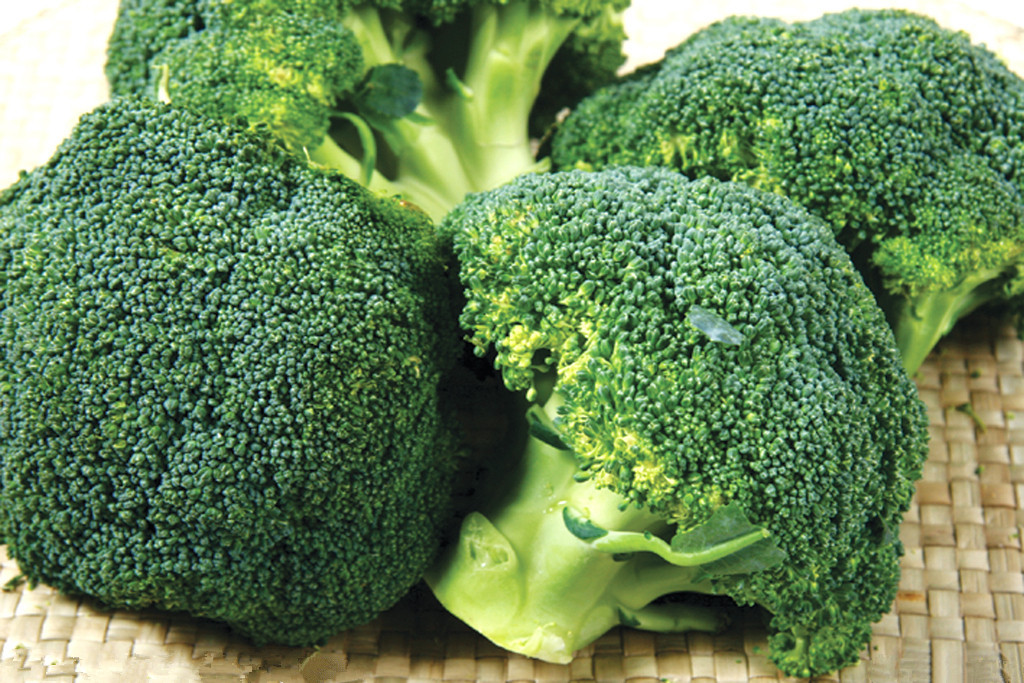
What are the growing environment requirements for broccoli?
Environmental requirements for growing the "crown of vegetables", broccoli
-

How to grow hyacinths? Understanding their ecological habits and growing environment requirements
Ecological habits of hyacinths. Hyacinths prefer a sunny and fairly moist environment, and require well-drained, fertile sandy loam. They are relatively cold-tolerant; in regions with fairly warm winters, they root in autumn, new shoots emerge in early spring, they bloom in March, the fruit ripens in late May, and the above-ground parts wither in early June and enter dormancy.
-
How to care for the Boston fern? A detailed guide to its ecological habits and growing environment requirements
Ecological habits of the Boston fern. The Boston fern likes warm, humid and semi-shaded environments, and also likes good ventilation; it dislikes intense heat. Boston ferns are generally placed indoors in bright, indirect light for cultivation; they cannot take direct strong sunlight, but they also cannot be kept in dark places. The optimum growing temperature is 15-25°C
-
Detailed Explanation of Kumquat Tree Cultivation Techniques and Growing Environment
Variety Classification of Kumquat Kumquats are generally divided into two types: common kumquat and smooth-skinned kumquat. Let's first take a look at how these two kumquats differ! Kumquat, kumquat (including names such as Huoyan, Jin, Mi, Xiu, Jingan, Jindan, Jinzao, etc.) belongs to the Rutaceae family, is a thorny evergreen shrub, with a tree height of more than 1 m
-
What Conditions Are Needed for Growing Blueberries? A Detailed Explanation of Growth Habits and Environmental Requirements
Blueberry, also known as lanmei, dusi, dushi, etc., is a perennial shrub of the genus Vaccinium in the family Ericaceae. It is named for its blue fruit and is rich in nutrients. It not only contains conventional nutrients but is also extremely rich in flavonoids and polysaccharide compounds, giving it very high cultivation value and market prospects.
-
What are the requirements of cotton for growing conditions and its growing environment?
Cotton is the seed fiber of plants in the genus Gossypium of the mallow family, native to the subtropics. The flowers the plant produces are milky white or pink. What people normally call cotton is the fiber inside the fruit that grows after flowering, which bursts open and turns outward when the fruit ripens. It likes heat, loves light, tolerates drought, and dislikes waterlogging, and is suitable for planting in loose, deep soil.
-
How to grow camellias? A detailed explanation of the growing environment and cultivation methods
Camellias have a beautiful form, lush and glossy leaves, and lovely, brilliantly colorful flowers. They are one of the world's famous flowers, and are the provincial flower of Yunnan Province, the city flower of Chongqing, Ningbo in Zhejiang Province and other cities, and the prefecture flower of the Dali Bai Autonomous Prefecture in Yunnan Province. The cultivation of Chinese camellia had already entered the imperial court as early as the Sui and Tang dynasties
-
How to grow Mimosa pudica? Home cultivation methods and growing environment
Mimosa pudica, also known as zhixiu cao and pa xiu cao, is a perennial herbaceous plant of the Fabaceae family. Because its leaves are extremely sensitive, a light touch makes the leaflets immediately fold together left and right; a firmer touch makes even the pinnae and petioles droop to 60 degrees. At night it also takes on a dormant drooping posture, and it reacts the same way to sudden cold or electrical stimulation
条件筛选