-
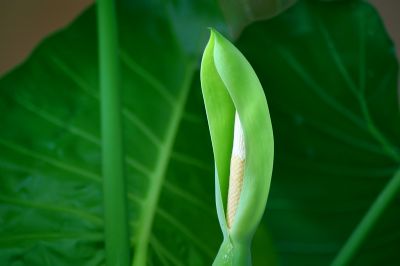
How to Grow Alocasia (Dumb Cane Elephant Ear)? 8 Common Cultivation Questions Explained
Alocasia (Alocasia macrorrhizos) is a common indoor plant, a perennial herbaceous plant. Its stem is fairly thick and sturdy, and it has a noticeable effect on removing dust. People in Guangdong call Alocasia "wolf's bane". The reason is that Alocasia is toxic, so if there are children at home and you want to grow Alocasia, you need to be especially careful.
-
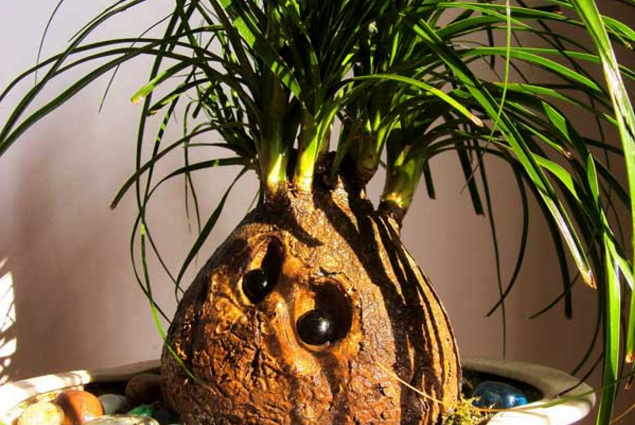
How to Propagate Beaucarnea recurvata (Elephant's Foot)? A Detailed Guide to Two Methods: Sowing and Cuttings
Beaucarnea recurvata (Elephant's Foot) is a highly ornamental plant, beloved by many for its appearance that closely resembles a wine bottle. To keep it growing healthily, besides mastering how to care for Beaucarnea recurvata, its propagation methods are also very important. How to propagate Beaucarnea recurvata can roughly be divided into two types: sowing and cuttings.
-

How to Grow and Care for Caladium (Elephant Ears): Methods and Precautions
1. Temperature: Caladium is a tropical plant that loves warmth. The ideal growing temperature is between 25-30°C, and in winter the temperature should be kept at 15-20°C; otherwise the leaves will turn yellow and the plant will wither. 2. Light: Caladium naturally loves sunlight. Insufficient light will cause the spots on the leaves to darken and the leaves to become weak and spindly.
-

-
Detailed Guide to Anthracnose in Yucca elephantipes: Common Diseases Part Two
Pathogenesis The pathogen overwinters on diseased plant debris in various ways. Primary infection and secondary infection occur in the following year, during splash watering. After lesions form, the pathogen is continuously produced, causing repeated secondary infections and creating a vicious cycle of disease. The disease is more likely to occur in hot, rainy seasons. Symptoms The disease mainly infects leaf tips and margins
-
A Detailed Guide to Propagating Yucca (Yucca elephantipes) by Cuttings
Cuttings Timing Yucca can be propagated by cuttings, and cuttings can generally be taken throughout the entire growing season, but spring and autumn are the best times for cuttings. Cutting propagation can be combined with pruning the yucca. Selecting Cuttings When taking cuttings from yucca, suitable cuttings need to be chosen
-
How to Grow Yucca elephantipes? A Detailed Guide to Its Cultivation Methods
Soil For potted Yucca elephantipes, garden soil, leaf mold and river sand mixed in equal parts can be used as the growing medium. Yucca elephantipes is highly adaptable and not demanding about soil, but it grows best in loose, fertile, slightly acidic soil with good drainage. A loam with high humus content from under pine and cypress trees mixed with river sand can be used for cultivation.
-

Causes and Prevention Methods for Yellowing Leaves on Elephant Ear (Alocasia)
Causes and Prevention of Yellowing Leaves on Elephant Ear
-
What are the key points for growing Alocasia (Elephant Ear)? A must-read for beginners
Stem: The stem tissue of Alocasia is relatively loose. If the water quality is poor, it is easily contaminated, causing root rot and stem rot. Therefore, the water in the container must be kept clean. At the same time, when changing the water and the culture solution, wash the mucus off the tubers and roots, and cut away any rotten roots. Temperature: Alocasia is a very common green houseplant
-
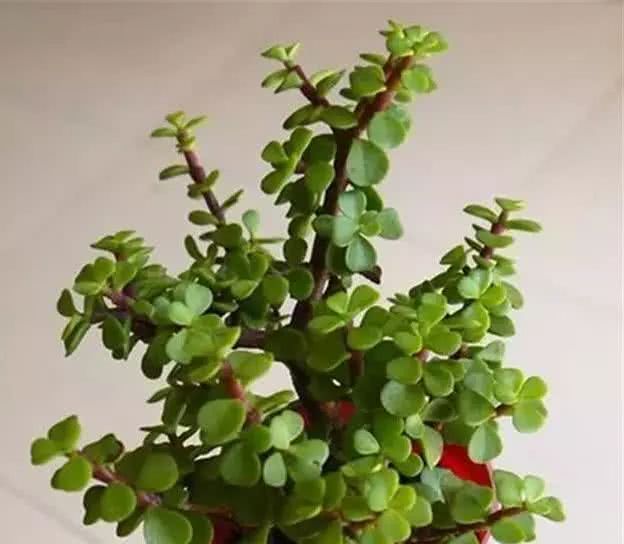
Don't water your Elephant Bush carelessly - the more you water it, the faster it dies
How often should you water an Elephant Bush? Actually, when it comes to how often to water, we should decide based on the ventilation in our own growing environment and the condition of the potting soil. Specifically, we can analyze it from the following aspects...
条件筛选