-
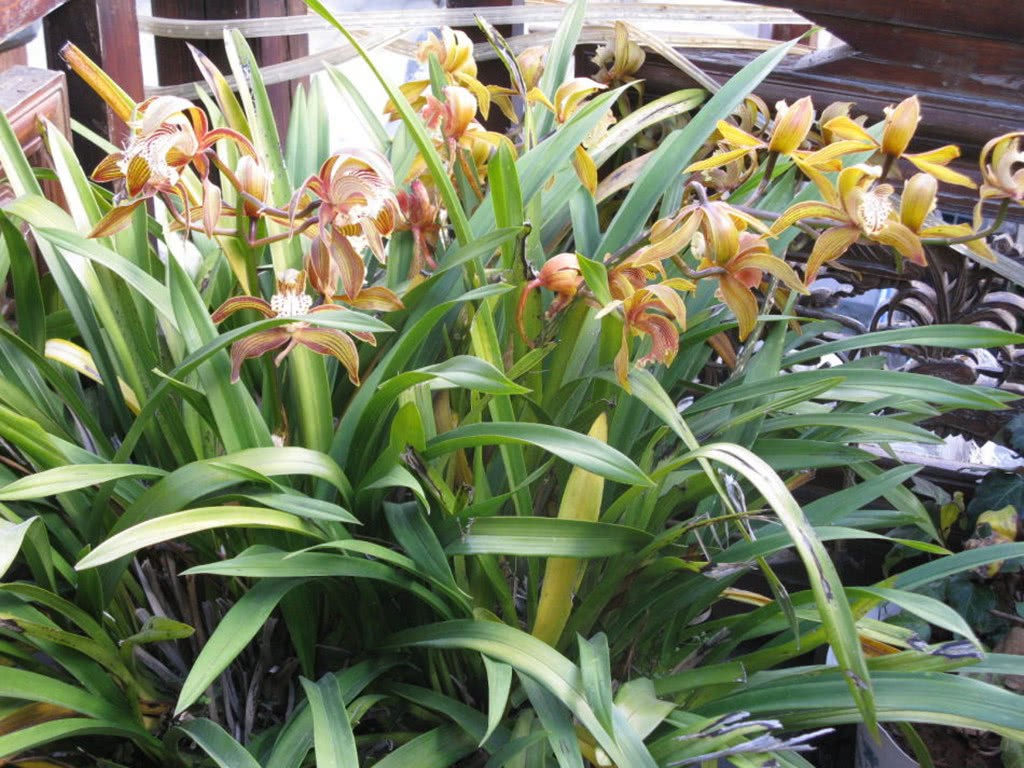
Should autumn orchid divisions keep three generations together? A farmer's practice proves this works better
Must autumn orchid divisions keep "three generations under one roof"? A farmer's practice tells you this works better. Growing orchids is a calm path of self-cultivation, and friends without a bit of patience really cannot manage it. Because orchids, as a highly ornamental...
-

How to propagate Pteris ferns by division? Here is the detailed method
Pteris ferns do not flower and have no seeds, so propagation is mainly asexual. Pteris propagation is mainly done by division. Pteris can be divided at any time of the year: take the plant out of the pot, cut it into several clumps with a sharp knife, and plant each clump separately
-
A Detailed Guide to the Correct Method of Propagating Chinese Evergreen by Division
Chinese evergreen grows luxuriantly with a well-developed root system and consumes large amounts of nutrients every year. Therefore, the pot should be repotted and the soil changed every year, in February to March. Chinese evergreen has strong sprouting ability, and tiller buds readily form at the base; these newly sprouted tiller buds can be used for propagation by division. Division can be carried out at the same time as repotting and changing the soil.
-
A Detailed Guide to Propagating Calathea lancifolia by Division
This is the most commonly used propagation method for Calathea lancifolia and is well suited to home growing. Division is generally carried out in late spring to early summer when the temperature is around 20°C; however, as long as the temperature and humidity are suitable, it can be done all year round. Division method: First, take the mother plant of Calathea lancifolia out of its pot
-
A Detailed Guide to Propagating Boston Fern by Division
When to Divide Boston Fern Boston fern can be divided in spring, summer and autumn; divisions in early spring, in April-May, can be done together with repotting. How to Divide Boston Fern In early summer, the stolons growing from the plant grow rapidly and produce small plantlets with roots
-
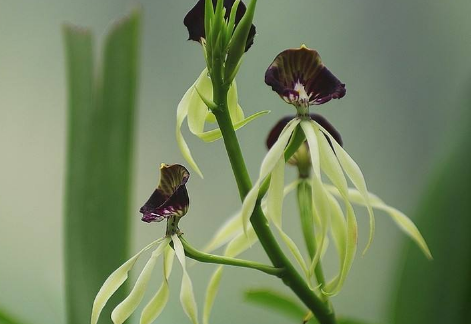
Octopus Orchid Division Propagation Methods and Steps Explained
Division Time Octopus Orchid is generally divided in summer; spring is the vigorous growth period of the plant, making division easier to survive. Division Method Take the vigorously growing plant out of the pot, being careful to protect the roots. You can shake off some of the soil, cut off aged or dead root hairs, and trim the leaves. Divide the plant into clumps
-
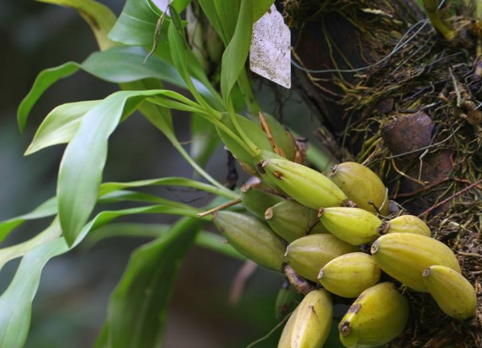
Cattleya Division Propagation Method and Step-by-Step Guide
Cattleya is usually propagated by division, generally carried out during the spring and autumn rainy seasons. You can use a small knife to carefully cut apart the rhizome at its base, and each clump must have pseudobulbs with 2 new shoots
-

Detailed Explanation of the Division Propagation Method and Techniques for Red Hot Poker
After three years in a pot, a single clump of red hot poker can produce more than a dozen offshoots; producing too many causes crowding and poor ventilation, so timely division is needed. Division propagation is generally best done in autumn, when the plant's flowering period has already passed. The entire plant can be dug out of the soil.
-
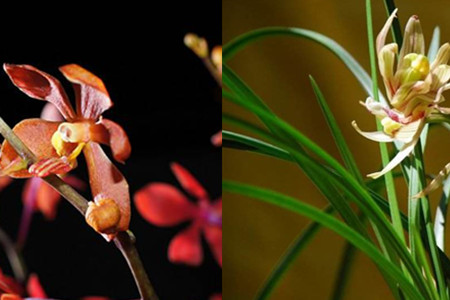
A detailed guide to night orchid planting methods and division and repotting techniques
The night orchid is very different from ordinary orchids, and it is generally edible. So many people grow night orchids as an ingredient for their own cooking. So how do you grow this kind of flower? Let's take a look.
-
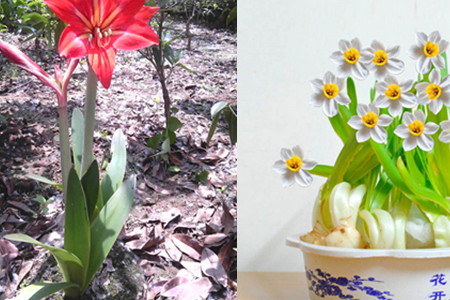
How do bulbous flowers reproduce? Both division and sowing work
Bulbous flowers refer to perennial herbaceous flowers that have a swollen part formed by a modified underground stem or root. There are hundreds of species of bulbous flowers grown for ornamental purposes, most of which belong to monocotyledonous plants, with the underground part of the plant swollen, forming a bulb-like or tuber-like structure underground
条件筛选