-
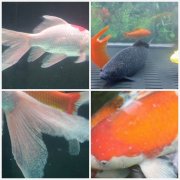
Koi Fish Disease Symptoms and a Detailed Guide to Treating White Spot Disease
Koi white spot disease symptoms are caused by a relatively large protozoan ciliate visible to the naked eye -- Ichthyophthirius multifiliis. It parasitizes the skin, fin rays and gill tissue of koi, feeding on the epithelial cells of the koi. In severe cases, the whole body skin and fin rays...
-
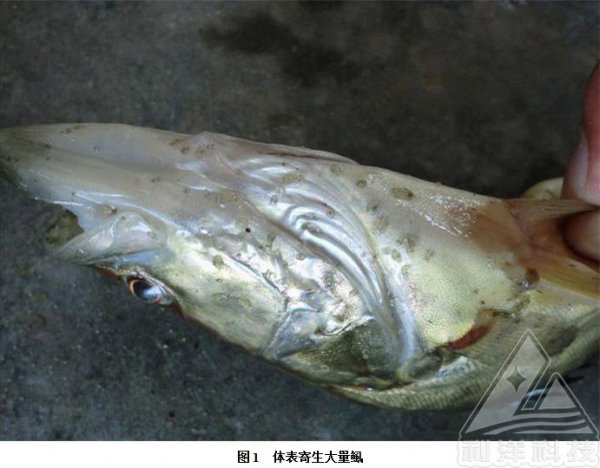
What are the common diseases of koi? Detailed treatment methods for fish lice disease
Symptoms of fish lice disease. Fish lice parasitize the body surface and gills of koi, using their mandibles to tear the epidermis and suck the fish's blood, causing many wounds, which facilitates the invasion of other pathogens and triggers other fish diseases; at the same time, when fish lice pierce the fish body, they introduce the toxins they secrete into the fish...
-
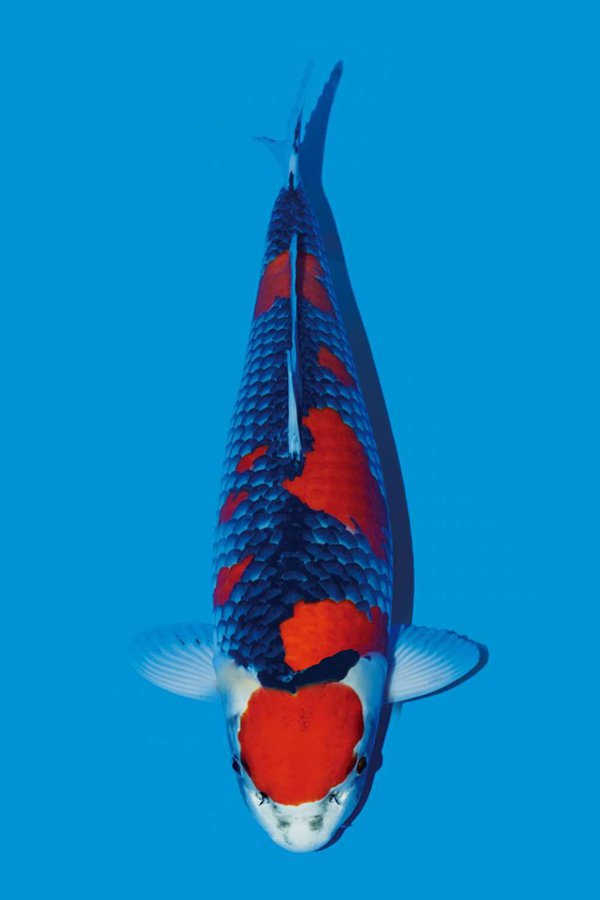
A detailed guide to the living habits of Five-Color Koi, and how to keep them so they do not die easily
Five-Color Koi are produced by crossing Pale Yellow Koi with Tricolor Koi, and are named "Five-Color" because they carry white, red, black, and indigo on their bodies. Among White Five-Color koi, those with a particularly beautiful red pattern are considered the best. In recent White Five-Color koi, rather than polluting the red pattern with black speckled markings, most show blue emerging on a white base. What is...
-
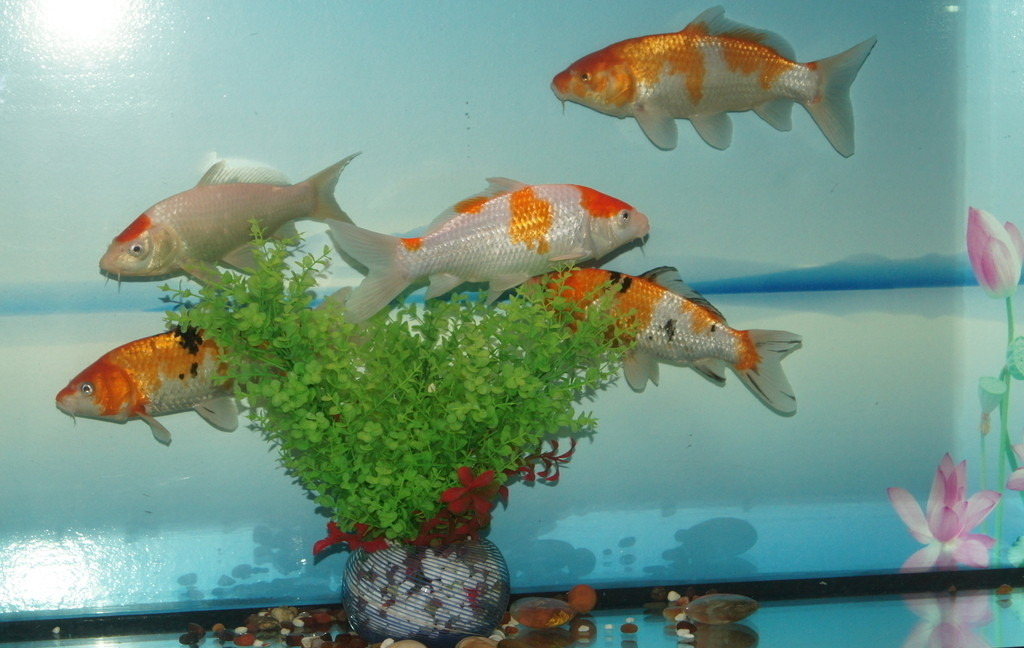
Detailed Explanation of Koi Selection Criteria and Aquarium Cleaning Methods
Cleaning and Tidying of the Koi Aquarium. Keeping koi in an aquarium requires clear water and lively fish. In the hot summer, the tank must be cleaned once a day; in other seasons, the interval can be appropriately extended. Main method: Take a rubber hose, fill it with water, and plug both ends tightly with your fingers, ...
-
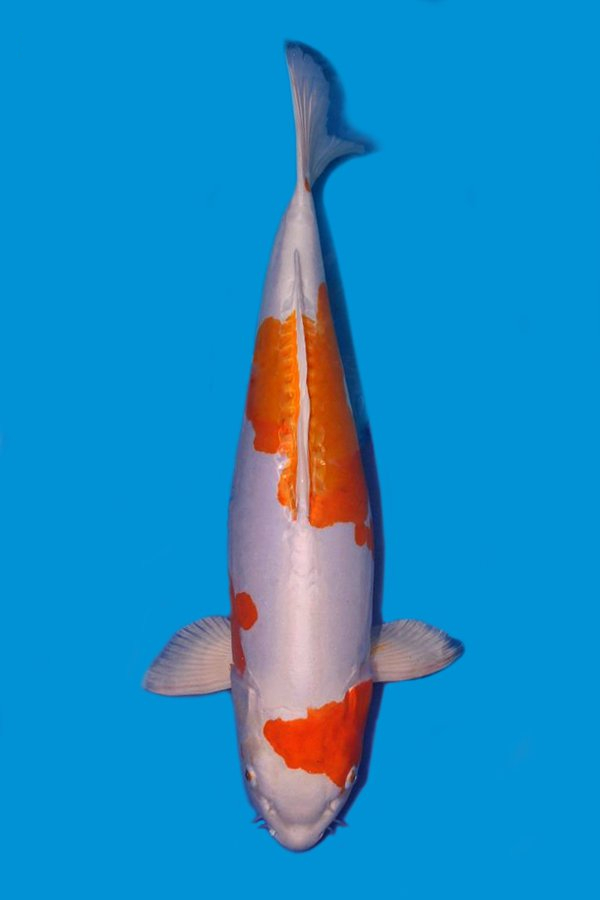
What Are the Morphological Characteristics of Tefun Koi? A Detailed Guide
Tefun Koi Introduction: Bred by crossing Hikarimuji koi of different colors, Hikarimuji being single-colored metallic koi, Tefun koi have no black markings, and their scales are made up of two other colors, making them a glowing koi. The glowing effect is very obvious under light, and can also be seen when observing the head of the koi.
-
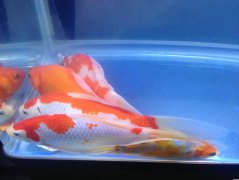
What are the common diseases of koi fish? A detailed explanation of the spring outbreak of dropsy with erect scales
In spring, fish are prone to dropsy with erect scales. Because of stocking fry or relocating fish in spring, it is often a season with frequent fish diseases, and most are caused by physical damage to the fish body. Dropsy with erect scales, a common spring disease of koi fish. Dropsy with erect scales is also called scale-erection disease or pine-cone disease. Its symptoms...
-
Is Koi Scratching Against the Tank a Sign of Saprolegniasis? A Detailed Guide to Koi Keeping Methods
Is koi scratching against the tank a sign of saprolegniasis? First, let us understand the symptoms of saprolegniasis. Water mold is widely found in freshwater or brackish water bodies and moist soil around the world. It lives as a saprophyte on dead organic matter and is a commonly present mold, mainly including the order Saprolegniales...
-
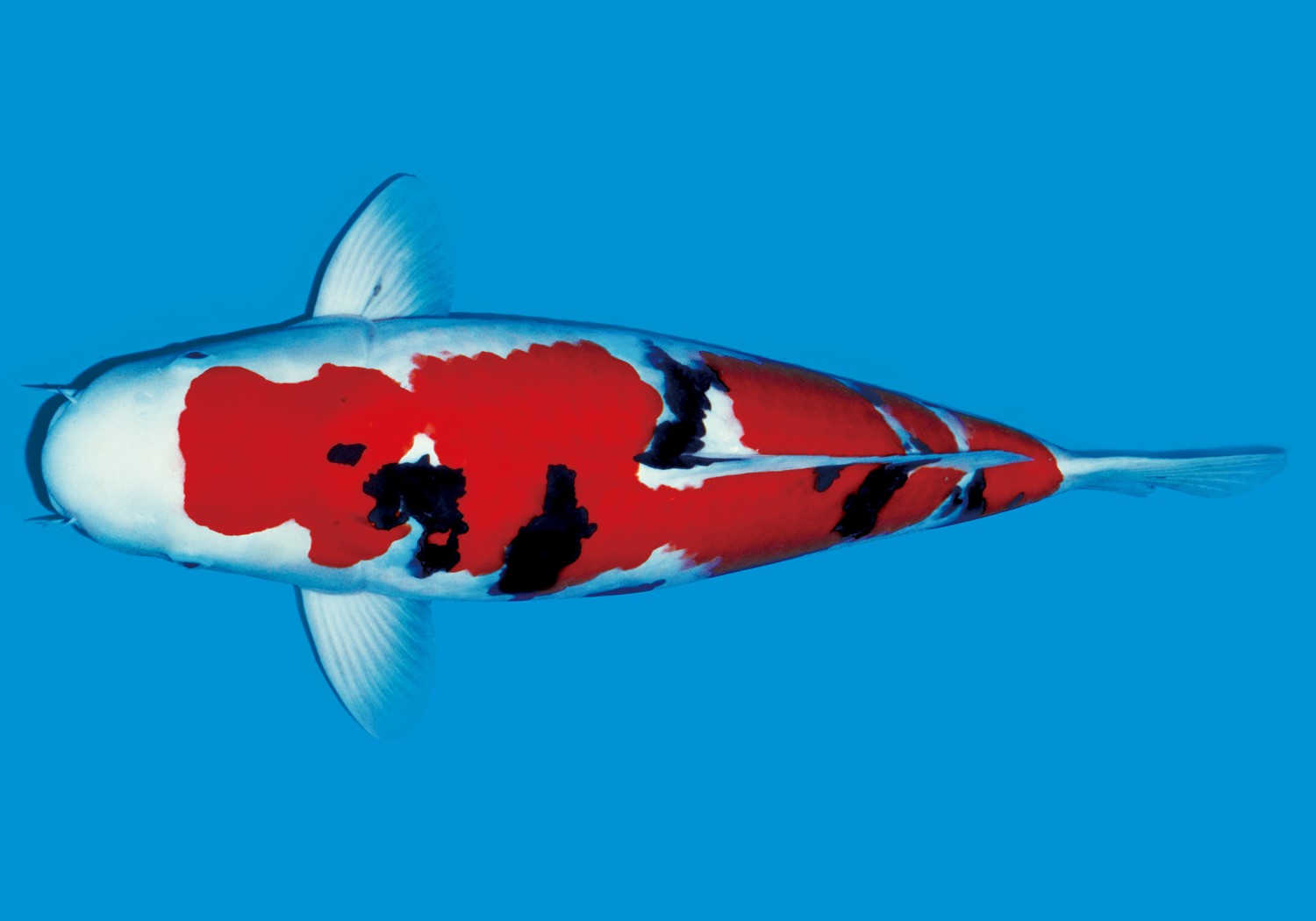
Detailed explanation of koi variety characteristics: when buying, first choose the breeding farm
I. Selection of a koi breeding farm. A. It must be a koi breeding farm that owns superior bloodline koi: koi breeding farms come in various types: some are own producers, some buy in bulk from producers and resell, and some do both. As long as you choose a place that has the koi you like...
-
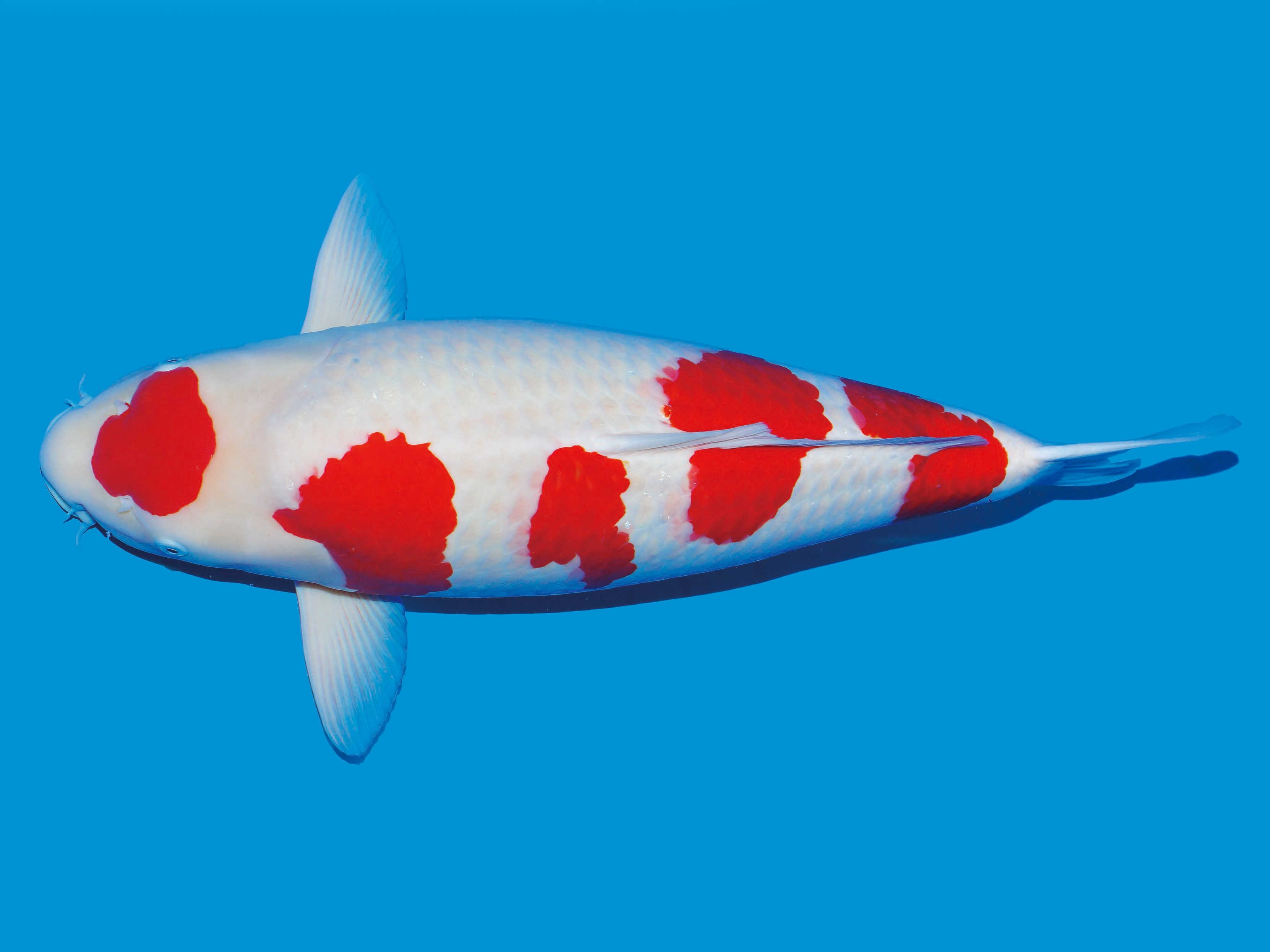
Which Koi varieties have good colors? Detailed guide to selection and culling methods
The culling of koi is mainly about eliminating poor fish and selecting good koi with ornamental value. So how do you cull to select top-grade koi with ornamental value? Culling koi is essentially about looking at the koi's body shape and red markings, and...
-
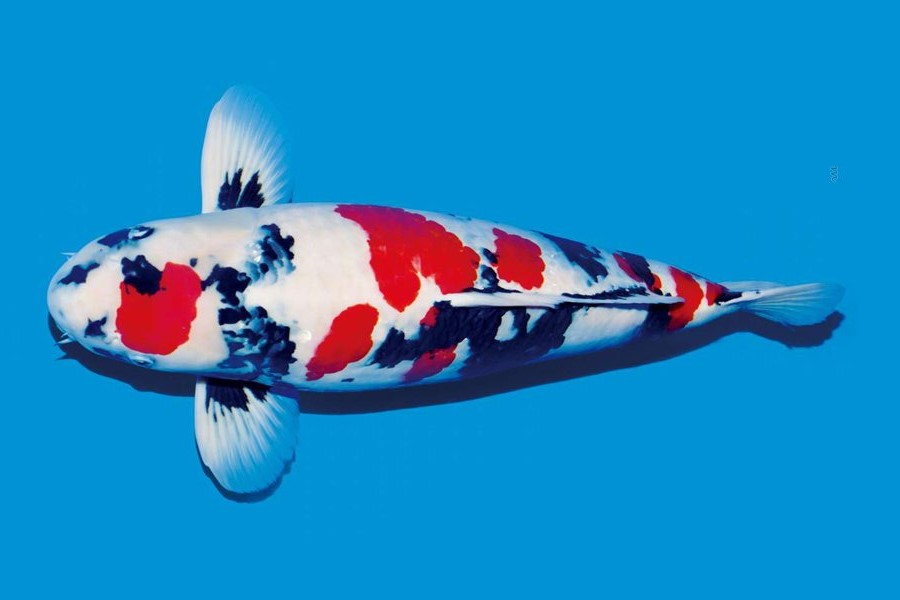
Detailed Explanation of Selection Techniques and Variety Selection Factors for Taisho Sanke Koi Fry
Taisho Sanke koi fry selection. For the selection of Taisho Sanke, the first step is to select those with white showing at the tip of the snout, with relatively good distribution of red patches on the body, and with sumi (black) markings distributed both front and back. Those with sumi on the head or without red patches are not selected. Those in which red patches are faintly visible beneath the sumi on the back are good fish. If...
条件筛选