-
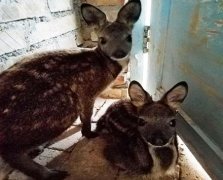
Musk Deer Farming Techniques: Rearing Methods and Nutritional Requirements for Young Musk Deer
The goal in rearing young musk deer is to ensure that all newborn fawns survive without disease and to develop in them excellent production performance. So how should they be reared? Let us take a look together. During growth and development, young musk deer steadily gain body weight and body measurements, and their metabolism is very vigorous.
-
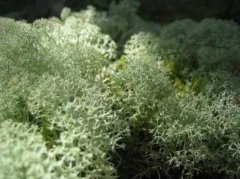
Deer moss is a common moss, how much is the buying and selling price?
Deer moss is a very attractive moss plant. This kind of moss plant is not very common, but it is deeply loved by consumers, because the shape of its stems and leaves is very much like deer antlers, so its name is also deer moss. The plant body of this kind of moss is
-

Are Deer Mammals? Understanding Deer Animal Classification in One Article
The characteristics of Cervidae animals are that they have solid, branched antlers; generally only males have 1 pair of antlers, while females have none; body length is 0.75-2.90 m, and body weight is 9-800 kg. So, are deer mammals? 1. Are deer mammals? Deer are mammals and belong to viviparous animals.
-
Musk Deer Farming Techniques: How to Handle Farming Procedures for Raising Musk Deer
Abstract Enclosure: Choose a relatively quiet, pollution-free, elevated, well-drained, dry and well-ventilated location. Feeding: The musk deer is a herbivore, and its feed consists mostly of roughage (green grass, wild vegetables, tree leaves, lichen, moss, etc.) and concentrate (corn, soybeans, bran, etc.)
-
Are Sika Deer Easy to Raise? Mastering Breeding Techniques and Precautions Is Key
Deer are not very common animals in daily life, because deer are nationally protected animals. The sika deer is a breed within the deer family, and its ability to adapt to the environment is very strong, so it can be raised in both the south and the north. The sika deer is a specialty of our country, and at present
-
What are the prevention and treatment methods for necrobacillosis in deer?
I. Epidemic characteristics Necrobacillosis in deer mostly occurs in deer herds in autumn and winter. During the autumn breeding period, male deer suffer hoof injuries from butting, and during the lactation period and grouping period, young deer suffer trampling injuries to the hooves, leading to infection and disease. In addition, when the exercise yard is uneven, has foreign objects, standing water or mud
-
A Detailed Explanation of the Causes of Sudden Death in Deer and Prevention Methods
Causes of sudden death in deer: Sudden death in deer is mainly caused by infection with multiple bacteria, accounting for 77.4% of total isolates, but the main pathogenic bacterium is Pasteurella multocida, accounting for 37.3% of total isolates, followed by Clostridium welchii, accounting for 23.5%, and other bacteria
-
Methods of Artificial Nursing for Fawns and Key Points of Deer Farming Techniques
Every year during the production season, some newborn fawns are abandoned by their mothers, or weak fawns cannot get their mother's milk. Artificial nursing is the only way to save these fawns. 1. Location The artificial nursing room for fawns should be spacious and bright, with plenty of sunlight, clean and dry, and insulated (above 15°C), with 1-2 sq m of space per deer and an appropriate exercise area.
-
How to prevent and treat diarrhea and enteritis in roe deer farming?
Diarrhea and enteritis occur in very few nursing roe deer fawns, and occasionally in adult roe deer. The causes of diarrhea and enteritis in roe deer are: roe deer sometimes not suckling properly; too much concentrate feed, causing indigestion; sudden consumption of succulent green feed with too high a water content, etc. Diarrhea and enteritis in roe deer
-
Key Technical Points for Safe Overwintering in Velvet Deer Farming
Cold protection and insulation. When the outside temperature is 15°C, a portion of the nutrients taken in from feed must be diverted to resist the cold in order to maintain normal body temperature. At this time, in northern regions, 1 to 2 layers of bundled corn stalks should be set up outside the deer shed walls to block wind and cold.
条件筛选