-
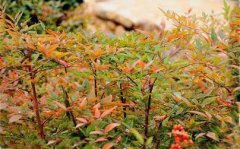
Nandina Growing Methods, Planting Conditions and Cutting Propagation
Although the name "nandina" contains the character "bamboo," it has nothing to do with bamboo at all. It is an evergreen shrub of the family Berberidaceae, and can grow up to 2.5 m in height. Its leaves are smooth and papery; new leaves are orange-red and closely resemble maple leaves, and before they drop in winter they turn yellow-red. In summer
-
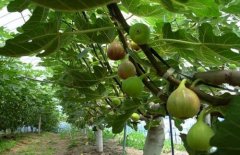
Fig Propagation Methods: Characteristics of Grafting, Cuttings, and Air Layering
There are three main methods for propagating fig trees: grafting, cuttings, and air layering. So how do you grow them using these three methods? Let's take a look at these three propagation methods together! Fig Grafting Method 1. Make a diagonal cut on the branch to be grafted (the smoother the better)
-

How many years does it generally take for a grape cutting to bear fruit?
Grapes are one of the oldest fruit tree species in the world. With the development of modern agricultural science and technology, most grapevines are now propagated by cuttings. So, how many years does a grape cutting take to bear fruit? 1. How many years does a grape cutting take to bear fruit? A grape cutting can bear fruit in 2 years,
-
How Many Years Until Cuttings of Grape Vines Bear Fruit? A Full Analysis of Fruiting Time
Grape vines can be propagated by cuttings, and cuttings of grape vines are also sold on the market. Buy one and plant it in the ground, and it will soon flower and bear fruit. So, how many years until cuttings of grape vines bear fruit? 1. How many years until cuttings of grape vines bear fruit? If cuttings of grape vines are
-
A Detailed Guide to Propagating Wax Begonia by Leaf Cuttings
When taking cuttings from wax begonia, select a side shoot with 2 leaves from a healthy mother plant as the cutting, cut the base of the cutting into a wedge shape, and dip it in rooting powder. After inserting it into the substrate, mist the leaves regularly and maintain a room temperature of 18-20; roots will form in about two weeks. Besides cuttings,
-
A Detailed Guide to the Cutting Propagation Method and Steps for Cactus (Ball Cactus)
The ball cactus is the collective name for succulent plants of the Cactaceae family that have a spherical shape. It can absorb dust and purify the air, and many people like to keep one. So, how do you propagate ball cacti from cuttings? 1. How do you propagate ball cacti from cuttings? During the growing season of the ball cactus,
-
How to Grow Raspberries: 4 Practical Planting Methods
Summary Cutting planting: Raspberries can be planted by cutting branches about 40cm long in autumn and storing them, then taking them out in early spring the following year for cuttings. Layering planting: In August, bury the front part of the branch in the soil, and new seedlings can sprout that same year. Division planting
-
How to Grow Dahlia? Detailed Guide to Planting Methods and Key Techniques
Abstract Cutting propagation: The substrate can be made from garden soil or leaf mold mixed with an appropriate amount of river sand. Take cuttings from February to May. After inserting the cuttings, firm the soil and water thoroughly. You can cover with plastic film or build a shade shed, and uncover the film daily for ventilation. Planting out: About 30 days after cuttings are taken, they can be planted out, with a plant spacing of 30cm and a row spacing of 40cm. After the seedlings recover, pinch off the growing tips, and carry out regular hoeing and weeding. Fertilizing: Dahlia is a heavy feeder. Apply sufficient basal fertilizer before planting, and apply appropriate topdressing during the early growth stage and the bud stage.
-
Detailed Explanation of Key Points on Poplar Sapling Cutting Propagation Techniques
Summary Select a nursery site with fertile soil, loose texture and good drainage and irrigation. Use 1-year-old robust stumping seedlings, cut them evenly, and store the cuttings well. In spring and autumn, insert the cuttings at a row spacing of about 60cm, at a 45-degree angle to the ground, exposing 1
-
When to plant Gynura bicolor? Spring planting methods by root division or cuttings
When planting Gynura bicolor, it is best to choose fertile, loose, well-aerated sandy loam soil with a deep soil layer, apply decomposed organic fertilizer as the main base fertilizer, plow deeply, make raised beds, and level them before planting. When planting, the density must also be reasonably controlled. After transplanting, regular cultivation is needed.
条件筛选