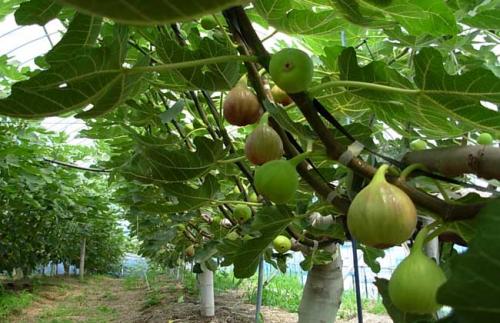
Fig Propagation Methods: Characteristics of Grafting, Cuttings, and Air Layering
There are three main methods for propagating fig trees: grafting, cuttings, and air layering. So how do you grow them using these three methods? Let's take a look at these three propagation methods together!
Fig Grafting Method
1. Make a diagonal cut on the branch to be grafted (the smoother the better)
2. Make a cut into the rootstock
3. Pry open the bark of the rootstock so that it is as equal as possible in length to the cut surface of the scion
4. Place the rootstock and scion facing each other (with the cambium layers aligned)
5. Trim off the excess scion, wrap with paraffin budding tape (to secure, protect, and retain moisture), transplant into a pot, and avoid direct sunlight.
Grafting is just one of the methods for propagating fruit trees.
"Fig Cutting Propagation Method - Division Is So Simple"
1. Put soil in a cup (akadama soil, coconut fiber, sphagnum moss, or peat are all fine), and insert the cut branch with 2-3 bud nodes into the cup with holes punched in it
2. Put the cup lid on, and water about once every 2 days 3. Wait one month for roots to develop; after rooting, you can transfer to a small pot
Note: Never fertilize. Do not expose to direct sunlight
Cuttings are the simplest way to propagate plants, and it is not difficult. Whether placed horizontally or vertically, both work. Adding a cover to retain moisture is key. Avoid direct sunlight; it is recommended to place it under the eaves.
Cup suggestion: You can use a clean transparent plastic cup, and drill a hole in the bottom for drainage
Soil suggestion: Sterilized soil with good permeability, such as German and Finnish peat soil, Japanese akadama soil, sphagnum moss, and coconut fiber soil, all work. Using the first 2 will give a higher success rate. Commercially available potting soil is not recommended, as it easily contains stray bacteria. After rooting, also do not fertilize. Just wait until the root system is stable before repotting.
"Fig Air Layering Method - Follow Along and Turn One Tree into Three!"
1. At 1 cm and 3 cm below the bud node, make ring cuts with a knife and peel off the bark.
2. Use a plastic bag filled with soil (peat, sphagnum moss, akadama soil, coconut fiber)
3. Wrap it around the cut, and secure it with a tie (the tighter the better)
4. Wrap with aluminum foil to secure, retain moisture, and block light
5. Wait about 1 month, then open it; once roots have formed, you can cut it off and transplant it