-

Latest Key Points of High-Quality Apple Cultivation Techniques
1. Improve the variety structure. Introduce varieties such as Yanfu, Royal Gala, and Sasha for promotion, gradually replacing old, mixed, and inferior varieties. Changfu and Qiufu should also be replaced with superior Fuji lines. New apple orchards should all adopt new varieties and new rootstocks. 2. Rational close planting,
-
Detailed Explanation of Key Coffee Cultivation Techniques and Management Methods
I. Overview Coffee, cocoa, and tea are known as the world's three major beverages, with coffee ranking first in output, consumption, and production value. In addition to being used as a beverage, coffee can also be used to extract caffeine and coffee oil; in medicine, it can serve as an anesthetic, stimulant, diuretic, and cardiotonic. Coffee
-
Coffee cultivation technique video tutorial, teaching you how to grow coffee well
Coffee, cocoa and tea are together known as the world's three major beverages, and coffee ranks first in output, consumption and production value. Besides being used as a beverage, coffee can also be used to extract caffeine and coffee oil; in medicine it can serve as an anesthetic, stimulant, diuretic and cardiac stimulant. Coffee pulp can be used
-
Promote intensive seedling cultivation techniques, strengthen green prevention and control of pests and diseases
Currently, various regions across China have successively entered the autumn-winter vegetable production stage, which is one of the most important crop seasons in China's vegetable production and is of great significance for ensuring market supply in autumn, winter and spring and for stabilizing and increasing the income of vegetable farmers. To strengthen autumn-winter vegetable production management, the Ministry of Agriculture recently
-
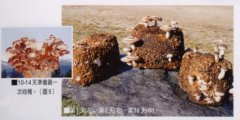
Practical Techniques for Shiitake Cultivation and New Techniques for Fast-Growing, High-Yield Production
The scientific name of shiitake is Lentinus edodes. It is a low-calorie food; eating 50 grams of shiitake per day provides only 15 calories. Its protein and fiber content are also high, and it is rich in calcium; in addition, shiitake contains two components that have been proven to have medicinal effects, namely
-
Practical Shiitake Cultivation Techniques and New Fast-Growing, High-Yield Technology
The scientific name of shiitake is Lentinus edodes. It is a low-calorie food; eating 50 grams of shiitake per day provides only 15 calories. Its protein and fiber content is also high, and it is rich in calcium. In addition, shiitake contains two components that have been proven to have medicinal effects, namely shiitake mycelium extract (LEM) and lentinan, both of which are currently sold as commercial products.
-
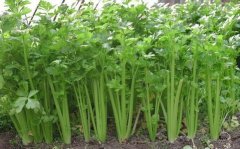
Celery Planting Methods and Cultivation Techniques Explained in Detail
Organic Celery Cultivation Methods Varieties Celery has slender, hollow leaf stalks and a strong fragrance, and can be used for stir-frying, boiling and as a seasoning. Varieties can be divided into local types: Tianwei variety (green leaves, white stalks), green tube, summer celery; and Western types (divided into green and yellow). The Tianwei variety has light green leaf stalks, few fibers, many branches, excellent quality, a strong fragrance and is not easily subject to rot.
-
Detailed Guide to Loofah Cultivation, Pruning Techniques and Planting Seasons
Organic Loofah and Angled Loofah Cultivation and Management Techniques Loofah planting season: Loofah is a vegetable variety that can be planted in all four seasons, and its requirements for season are not strict, but it does have certain requirements for planting time. Note that loofah should not be planted during the transition between seasons, so it is generally started around February in spring or in late May in summer, in early September for autumn, and for winter it is not recommended to plant.
-
Detailed Explanation of Rice Cultivation Management Techniques and Fertilization Methods and Application Rates
Fertilizer Management in Organic Rice Cultivation I. Fertilizer management is an important part of rice cultivation, and the fertilizer management in organic cultivation mainly consists of replacing chemical fertilizers with organic fertilizers, but improper application of organic fertilizers often causes poor growth in rice, such as
-
A Detailed Guide to Organic Tea Cultivation Techniques and Tea Garden Management Essentials
Organic Tea The significance of organic cultivation in tea gardens lies in avoiding the use of synthetic chemical pesticides and chemical fertilizers to produce tea; its purpose is to safeguard the health of cultivators and consumers and to protect the Earth's ecological environment. The method of organic cultivation in tea gardens lies in using
条件筛选