-
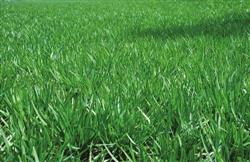
Safety management points for the control of leek blight in greenhouse and shed conditions
Damage symptoms: It mainly affects the false stem and bulb, and the leaves, roots, and flower stalks can also be affected. Lesions on affected leaves mostly begin on the lower part, initially producing dark green water-soaked lesions, and when they later spread to about 1/2 of the leaf, the whole leaf turns yellow, droops, and becomes soft-rotted. When humid, grayish-white mold develops on the diseased part. When the false stem is affected...
-
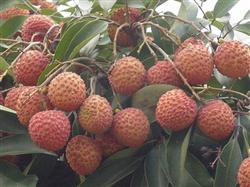
Increasing lychee yields requires management tailored to local conditions
"Due to limited land and water resources, lychee cultivation must transform its current production methods." Li Li from the Economic Crops Division of the National Agricultural Technology Extension Center of the Ministry of Agriculture pointed out that improving per-unit yield and quality through scientific fertilization and pesticide use, and supporting farmers' cooperatives and leading enterprises, can promote the healthy development of the lychee industry. How to...
-
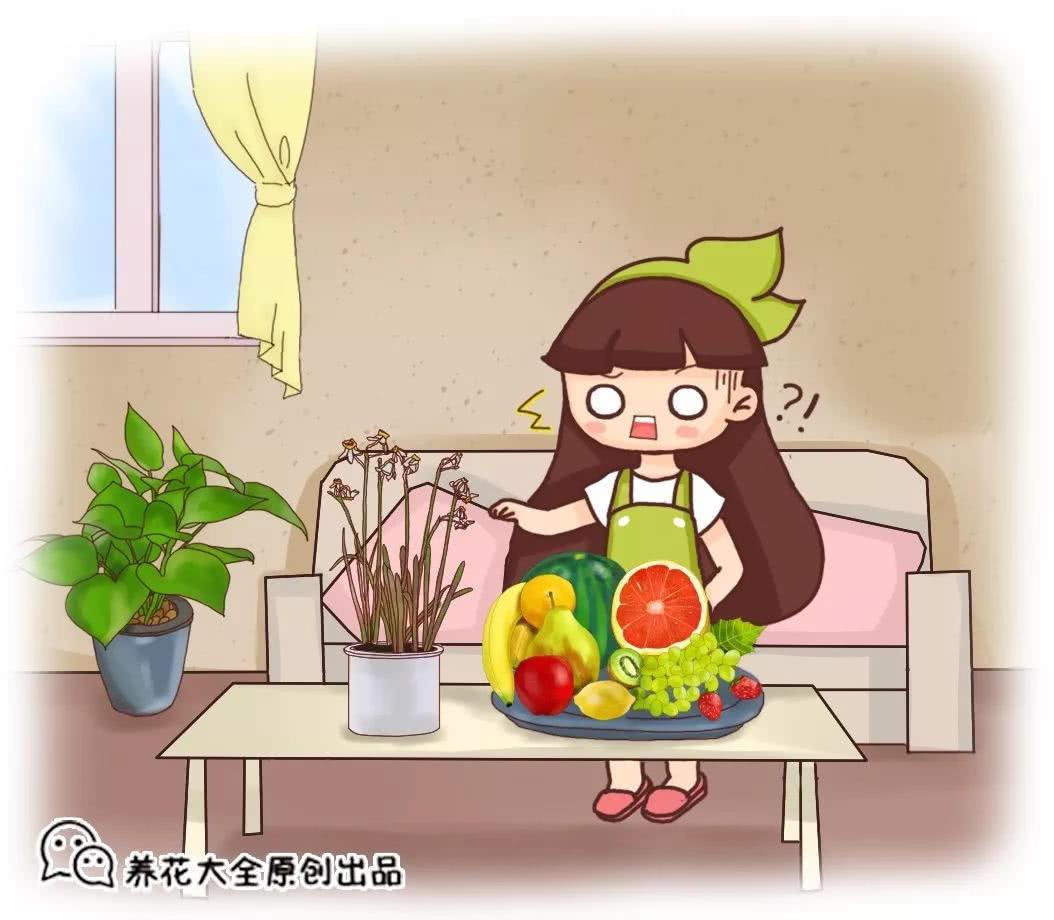
When growing flowers, you also have to consider your home's conditions, otherwise few of the plants you buy will survive.
Autumn is here! It's another flower-buying season, and Huahua wants to remind everyone not to bring just any flower home. Especially for flower lovers without a south-facing balcony, be sure to check which flowers suit which environment, otherwise the moment you buy the flower, it's...
-

What are the growing conditions for wampee? A detailed explanation of its environmental requirements
The growing conditions for wampee
-
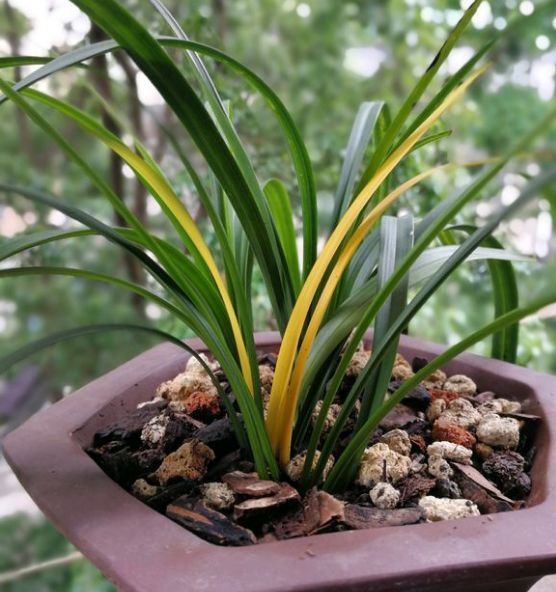
Orchid flower shape and color are affected by 3 major factors; experts create external conditions to make flower colors more to their liking
Recently some orchid growers have reported that orchid flower traits are unstable: sometimes the shape and color are very good, and sometimes there is no desirable trait. What is the reason for this? Expert growers analyze the following 3 major reasons for orchid growers' reference and learning: 1. Heredity's effect on flower shape and color...
-
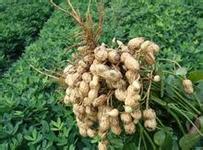
What kind of soil conditions do peanuts need for high yields?
(1) Deep full soil layer. For a high-yield field, the full soil layer should be more than 50 cm deep. 99% of the peanut root system is distributed within 50 cm, while the main root reaches deep, more than 1 m down, so a deep soil is very important for the growth and development of the peanut root system. (2) Loose and active cultivated layer. A thickness of 30 cm is the loose, active and fertile cultivated layer, and...
-
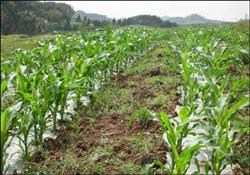
How to sow spring corn in drought-resistant conditions? Detailed explanation of planting key points
1. Base fertilizer: Spring corn should be fertilized according to the basic principles of base fertilizer as the main part and topdressing as the supplement; farmyard manure as the main part and chemical fertilizer as the supplement; nitrogen fertilizer as the main part and phosphorus fertilizer as the supplement; ear fertilizer as the main part and grain fertilizer as the supplement. Base fertilizer should generally account for about 70% of the total fertilization amount, and most phosphorus fertilizer should also be applied together with the base fertilizer, generally applied in the previous year combined with autumn plowing....
-
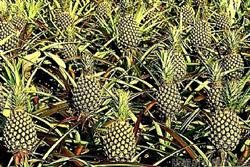
What conditions are needed to establish a pineapple orchard?
During the growth and development of pineapple, irrigate once every 15 days with a 300-fold potassium dihydrogen phosphate aqueous solution, for 8 to 10 consecutive times, applying 1.5 to 2 kg per plant each time, pouring it into the funnel-shaped crown at the top of the pineapple plant, so that the potassium dihydrogen phosphate aqueous solution flows along the leaf axils to the soil around the roots. In this way, the pineapple plants grow robustly, with large leaves...
-

What Are the Prospects for Pepper Cultivation? Market Conditions and Profit Analysis
The Cultivation Prospects of Pepper
-

A Detailed Guide to Calendula Planting Conditions and Cultivation Management Techniques
Calendula, also known as everlasting chrysanthemum, pot marigold, evergreen chrysanthemum, golden cup, etc., is a herbaceous flower of the genus Calendula in the Asteraceae family. It originated in Europe and was introduced to our country from abroad after the 18th century. After the 1980s, with the introduction of double-flowered, large-flowered and dwarf calendula varieties
条件筛选