-

Cattle farmers must guard against cold-induced dehydration in cattle in winter
Water can both cool them down and warm them up. 1) Cooling with water: For each adult cow, each time mix 0.3-0.6 kg of baijiu (Chinese liquor) or 0.2 kg of urea into 5 kg of cold water and let the cow drink it on its own. Alternatively, the day before feeding hay, soak the hay in cold water for 3-5 hours, then feed it to the cow. 2) Warming with water: In winter, when the weather is cold, for cows in weak body condition, heat clean water to 40°C and add 30-50 g of table salt or 100 g of soy sauce per kg of water and let them drink it. 2. Feeding nutritional tonics
-
How to Treat Pig Cold Diarrhea? Detailed Explanation of Treatment Methods
The root cause of the pig "cold diarrhea" disease has now been confirmed to be infection of pigs with transmissible gastroenteritis and epidemic diarrhea, and pigs are prone to this disease when the weather turns cold. Once a pig contracts this disease, in addition to severe diarrhea and death of pigs (the mortality rate of suckling pigs can reach as high as 100%), it also seriously affects pig growth and causes an increase in the culling rate of pigs. In order to effectively control the occurrence of this disease, the pathological characteristics and prevention and control measures of the disease are introduced as follows: Pathological characteristics Pig transmissible gastroenteritis and
-
What are some practical methods for protecting fish and soft-shelled turtles from the cold in winter?
1. Pond selection: Choose a deep-water pond (over 2 m deep) that is sheltered from the wind and faces the sun for natural overwintering. The water in the overwintering pond should not remain stagnant for long periods; usually replace part of the pond water every 20 to 30 days, each time replacing 1/4 to 1/5 of the total pond water, to prevent pond water contamination. 2. Set up windbreaks and cold-shelter holes: On the north side of the pond, a 2 m high windbreak can be built from straw or soil, and on the east and west sides, earthen walls sloping toward the south can be built in a dustpan shape to reduce the impact of the north wind, so that when a cold wave strikes, the water temperature will not drop significantly. Around the pond,
-
New Green Intensive Rice Cultivation Technology for Cold Regions
Agricultural science and technology innovation is the fundamental measure for improving overall agricultural production capacity. Safety, ecology, increased income and increased efficiency are the new directions for rice production development. The new cultivation technology - intensive rice cultivation - has been successfully tested over four years at Suihua Yong'an Farm. 1. Cultivation characteristics: saves seed, saves water, saves labor, saves seedling supplies, saves seedbed area, while being environmentally friendly, increasing yield, reducing costs, increasing benefits, and having wide adaptability. It is an advanced rice production cultivation technology in the world today. 2. Main cultivation technical measures and characteristics: 1. Select and breed early-maturing, high-yield, stress-resistant, strongly tillering
-
Detailed introduction to cold-hardy, high-quality pear varieties, suitable for planting in cold regions
Introduction to cold-hardy, high-quality pear varieties. Hongnanguo Pear: bred by the Fushun Academy of Agricultural Sciences, large fruit, average fruit weight 110 g, maximum 429.5 g, sugar content 14-16%, acid content 0.367%. Strong aroma, sweet and sour, tasty. Tolerates low temperatures of -33°C to -35°C, most suitable for cultivation on sloping land. Hongjinqiu: bred by the Mudanjiang Institute of Agricultural Sciences of Heilongjiang Province, average fruit weight 242 g, sugar content 16%, acid content 0.74%, suitable for fresh eating and frozen storage. Tolerates low temperatures of -35°C
-
Cold damage prevention and control methods and key technical points for rice at the panicle elongation stage
Rice pollination at the panicle elongation stage greatly needs temperature and oxygen. During this period, cold winds blowing from the northeast are very likely to occur, causing poor pollination, empty and shriveled grains, and reduced yield. Prevention and control techniques for cold damage. First, accelerate rice pollination. From late July to early and mid-August, due to meteorological causes of atmospheric circulation, the temperature generally drops to around 17, causing rice flowers to remain closed and not open, affecting rice pollination and producing empty and shriveled grains. For this kind of obstructive cold damage, scientific management of the paddy field should be strengthened so that rice accelerates through the pollination period and avoids
-
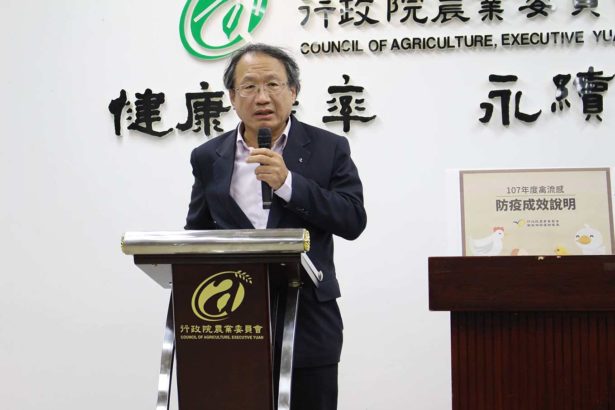
Avian influenza runs rampant in the cold winter, and mixed raising of three generations of laying hens is the toughest; open-air duck farming must be tightened and controlled
Battling the peak of avian influenza in the cold winter! Mixed raising of three generations of laying hens is the toughest; open-air duck farming must be tightened and controlled
-
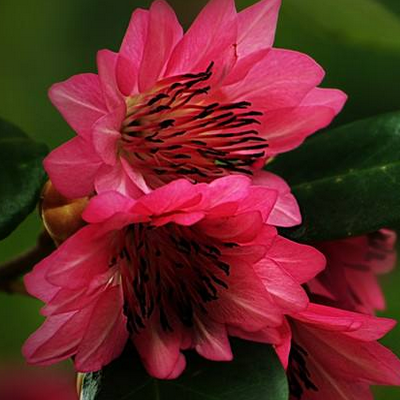
Red Lotus Rhodoleia: Minimum Cold Tolerance, Cutting Propagation Methods and Flower Language Explained
The Red Lotus Rhodoleia plant is generally planted in gardens and also cultivated as a landscape plant. So what is the lowest temperature the Red Lotus Rhodoleia can tolerate? How do you propagate Red Lotus Rhodoleia from cuttings? What is the flower language of Red Lotus Rhodoleia? Minimum cold tolerance of Red Lotus Rhodoleia: a neutral-to-shade-tolerant tree species, young trees tolerate shade, and once mature it prefers more light
-
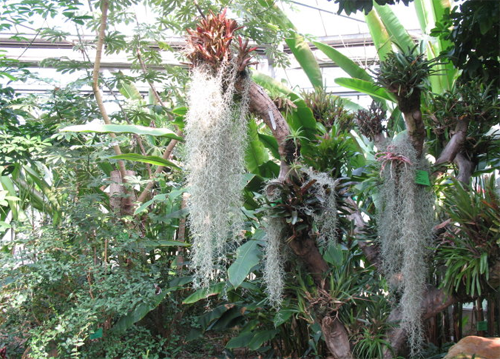
A detailed guide to growing Spanish moss (Tillandsia usneoides): is it afraid of the cold in winter?
Spanish moss is a rather magical plant: it can live without soil and grows like a waterfall, which makes it very interesting. So what is the method for growing Spanish moss? Is Spanish moss afraid of the cold? Growing method for Spanish moss: it likes a hot and humid environment, which of course includes good air circulation.
-
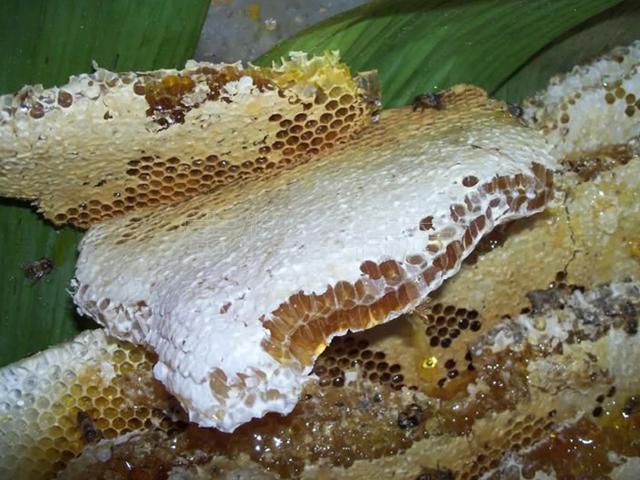
Why can't domestic honey sell in China, and why is it also cold abroad?
No one buys it at home, no one wants it abroad: why is domestic honey out of favor?
条件筛选