-

How much does Codonopsis pilosula cost per jin in 2019? An introduction to the correct ways to eat Codonopsis pilosula
Codonopsis pilosula is a traditional Chinese medicine that tonifies the middle and boosts qi, and since ancient times it has been very popular among people in the market. So how much does Codonopsis pilosula cost per jin? What are its effects and functions? 1. The price of Codonopsis pilosula. There are many varieties of Codonopsis pilosula, including wild Tai dang, Xi Codonopsis, Chuan Codonopsis,
-
What are the main pest control methods for Codonopsis pilosula?
The main pests that occur in Codonopsis pilosula cultivation are: aphids, cutworms, white grubs, mole crickets, and red spider mites. So how should these pests be controlled? Codonopsis pilosula, also known as Shangdang, Xidang, Dongdang, Ludang, etc., is a perennial herbaceous climbing plant in the Campanulaceae family. Its root is used as medicine.
-
Detailed Explanation of Control Methods for Two Major Diseases of Codonopsis pilosula
Root rot and rust are the two most common major diseases in Codonopsis pilosula cultivation, and these two major diseases have seriously affected the cultivation benefits of Codonopsis pilosula. So how should these two major diseases be controlled respectively? Codonopsis pilosula root rot: Symptoms of Codonopsis pilosula root rot: It often begins to occur during the high-temperature and high-humidity period from May to June in summer.
-
How to cultivate Codonopsis pilosula for high yields? A detailed explanation of the key growing techniques
Codonopsis pilosula (scientific name: Codonopsis pilosula) is cut into oval or nearly round thick slices, with a yellow-brown or grayish-yellow surface, a yellowish-white or yellow-brown cut surface, cracks or chrysanthemum-like patterns, and a pale yellow core in the center. The outer edge is pale yellowish-white to yellow-brown, with longitudinal wrinkles. It has a
-
A Detailed Guide to the Planting Methods and Key Techniques of Codonopsis pilosula
Codonopsis pilosula (dangshen) is a common traditional Chinese medicinal herb, with effects of tonifying qi and strengthening the spleen and enhancing immunity, and it offers substantial economic returns. So, how is Codonopsis pilosula planted? 1. Site selection and land preparation Generally, high-yielding Codonopsis pilosula planting sites have sandy loam soil, and the soil structure is good and rich
-
A Detailed Explanation of the Latest Field Management Techniques and Key Points for Codonopsis pilosula
Codonopsis pilosula is a perennial herbaceous plant in the Campanulaceae family, with a wide distribution range in China. Its main medicinal effects include tonifying the middle and boosting qi, and dispelling phlegm and relieving cough, and it is mainly used to treat problems such as persistent coughing and shortness of breath with dry mouth. Now Codonopsis pilosula also has a certain area of artificial cultivation.
-
How to sow Codonopsis pilosula seeds? A detailed guide to the latest sowing methods
Codonopsis pilosula prefers a mild and cool climate. For propagation, two methods are commonly used: direct seeding and seedling raising with transplanting, but direct seeding is preferable. For the seedling bed, choose a hillside field or abandoned land on a semi-shaded, semi-sunny slope, close to a water source, free of underground pests and perennial weeds. Choose new seeds. The following
-
A Complete Analysis of the Latest Producing Area Distribution of Codonopsis pilosula
Codonopsis pilosula is also known as Fangfeng Dangshen, Huangshan, Fangdangshen, Shangdangshen, Shitoushen, Zhonglingcao, Huangdang, etc. It is a commonly used traditional tonic medicine in China. In ancient times, the Codonopsis pilosula produced in the Shangdang area of Shanxi was regarded as the finest quality. It has the effects of tonifying the middle and replenishing qi, strengthening the spleen and benefiting the lungs. Below we
-
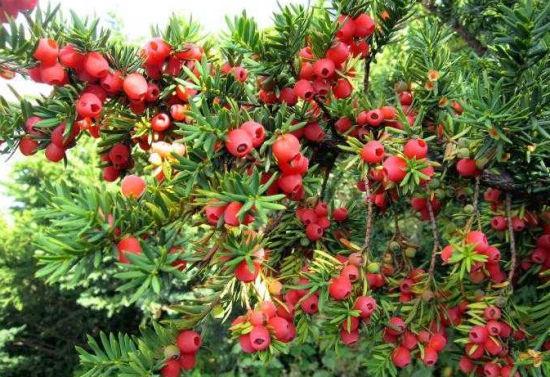
Compound Management Technology for Magnolia officinalis and Taxus wallichiana var. mairei Mixed Forest with Codonopsis pilosula
Compound Management Technology for Magnolia officinalis and Taxus wallichiana var. mairei Mixed Forest + Codonopsis pilosula 1 Analysis of Compound Management Adaptability 1.1 Main Biological Characteristics Magnolia officinalis is a deciduous tree distributed at an altitude range of 500-1,500 m, preferring a cool, moist, and well-lit environment. ...
-
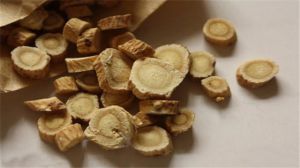
What are the main benefits and effects of Codonopsis pilosula?
Boosting immunity: Codonopsis pilosula can increase the body's vitality and strengthen the body's ability to resist pathogens. Lowering blood pressure and nourishing blood: Taking it regularly can dilate blood vessels, thereby lowering blood pressure. It can also nourish the blood. Calming the mind and improving mental function: It can help people calm down and improve sleep quality. Promoting saliva production and quenching thirst: It can promote saliva production and quench thirst, making it very suitable for people who need to talk a lot.
条件筛选