-

Natural bonsai are a most beautiful decoration for the Chinese classical study
The feng shui layout of a study that influences destiny deserves your attention; the study is an important component of the home environment. The study is both an extension of the workplace and a part of daily home life. The study should be filled with a scholarly atmosphere, so the plants chosen should not be too many, and foliage plants or potted flowers with light, elegant colors are more suitable
-
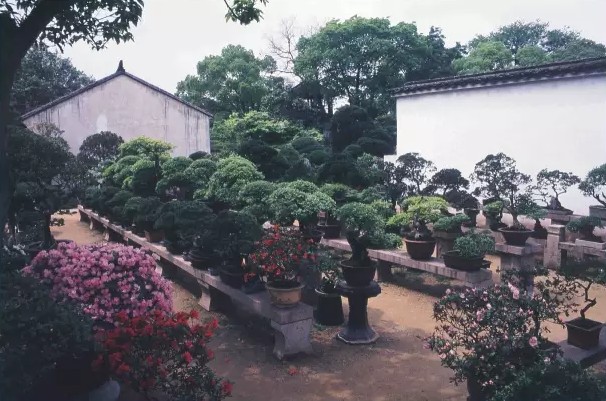
Suzhou Classical Garden Bonsai Exhibition Makes a Splendid Appearance
Suzhou bonsai is created with unique ingenuity on the basis of absorbing the essence of China's traditional classical garden art and combining certain techniques of Chinese landscape painting and flower-and-bird painting, embodying "silent poetry, three-dimensional painting, and living sculpture."
-
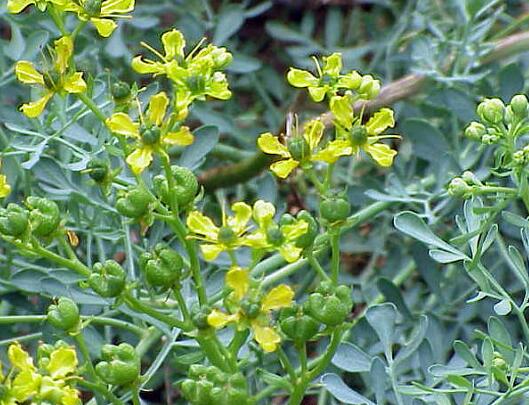
Complete Guide to Plant Disease Classification and Formula Medications
Plant diseases refer to the phenomenon in which plants, under the influence of biological or abiotic factors, undergo a series of morphological, physiological and biochemical pathological changes, thereby affecting human economic benefits. The symptoms of plant diseases are mainly divided into five major types: discoloration, necrosis, rot, wilting and deformity
-
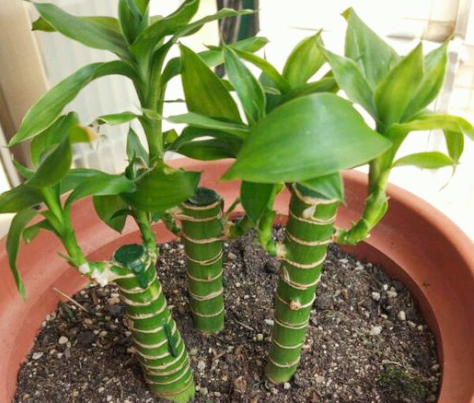
Bamboo Palm (Guanyin Bamboo) is a classic indoor ornamental plant: an introduction to its cultivation methods and precautions
Guanyin Bamboo, also called Phoenix-tail Bamboo, is a very typical indoor ornamental plant. Not only are its branches and leaves elegant and its posture graceful, but it also has the ability to absorb indoor carbon dioxide and improve indoor air, so many people love it and want to grow it.
-

How to classify and manage cotton during the flowering and boll stage? Jinnan District Agriculture and Forestry Bureau reminds cotton farmers
The period from when 50% of cotton plants flower to when 50% of cotton plants mature and open their bolls is called the flowering and boll stage. Cotton in Tianjin generally enters the flowering and boll stage in early July and finishes at the end of August. This period is the key period that determines cotton yield, and cotton farmers are urged to pay attention to the growth trend of cotton in the field and adjust technical management measures at any time. According to Gao Qingming and others of the Cotton Research Institute of the Hebei Academy of Agriculture and Forestry Sciences, based on morphological indicators such as cotton plant growth during the flowering and boll stage, cotton fields are classified into 4 grades: excessive vegetative growth, robust, ordinary, and weak. The main indicators of the 4 grades are as follows: ①
-
Detailed Explanation of the Classification and Identification Methods for Safflower and Saffron
In the herb garden of traditional Chinese medicine, there are two medicines named safflower, respectively called safflower and saffron. Although their medicinal properties and functions are basically the same, they are plants of two different families and genera, and their prices differ greatly.
-

What are the classification methods for Cyclamen varieties?
There are about 20-plus Cyclamen varieties, which can be divided into 4 categories based on flower shape: 1. Large-flowered type: large flowers, petals entire, flat, reflexed, with single, double, and fragrant varieties. 2. Flat-petal type: petals flat, rolled back, margins with fine notches and wavy wrinkles, buds relatively pointed, petals relatively narrow
条件筛选