-

Detailed Explanation of Key Cultivation Techniques for the Chinese Medicinal Herb Banxia (Pinellia ternata)
Cultivation Techniques for the Chinese Medicinal Herb Banxia (Pinellia ternata)
-
Key Technical Points for Pest and Disease Control in the Chinese Medicinal Herb Pinellia (Banxia)
Pest and Disease Control for the Chinese Medicinal Herb Pinellia
-
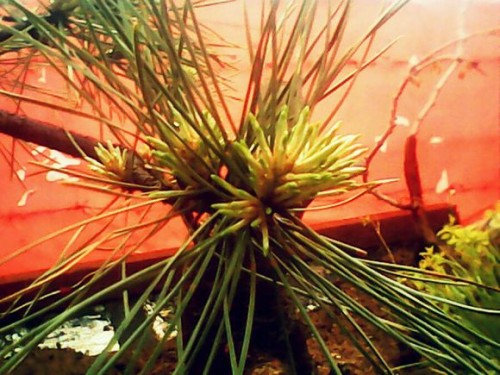
How to make a Chinese pine bonsai? Detailed production method shared
The Chinese pine is tall and vigorous, evergreen all year round, long-lived, and unafraid of wind, snow and severe cold. People regard it as a symbol of unyielding integrity and longevity. Its forms are endlessly varied, becoming more fantastic with age, making it an ideal material for bonsai. After the Chinese pine is planted, water it twice within one week; afterwards you may loosen the soil and preserve moisture, and water once more in early May
-
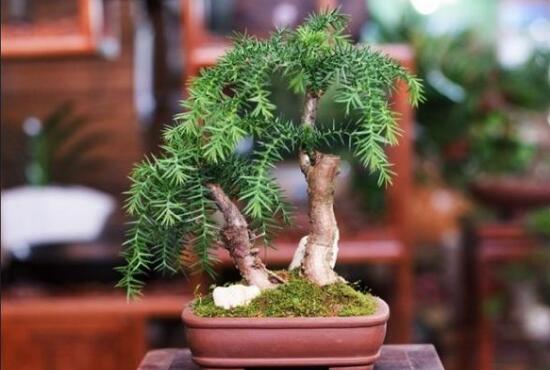
Norfolk Island pine vs. Chinese yew: which is more expensive? Norfolk Island pine bonsai costs 400-1200 yuan
Growing plants indoors has now become a popular trend, and many flower lovers are very fond of bonsai. As the outstanding ones among bonsai, the Norfolk Island pine and the Chinese yew are naturally loved by more people. If you want to grow them, you need to understand the prices, so what are the prices of Norfolk Island pine bonsai and Chinese yew bonsai? Which is more expensive, the Norfolk Island pine or the Chinese yew?
-
How much does a 2 m Chinese pine cost per tree, and does it grow fast?
Chinese pine (Pinus tabuliformis) is generally used for afforestation, because it is a strongly sun-loving plant, cold-resistant, drought-resistant, barren-tolerant, and deep-rooted. It is a plant that is very easy to keep alive, and it is excellent for afforestation. The Chinese pine is widely distributed and is one of the main afforestation tree species across the vast areas of northern China.
-
How much is pine resin (a traditional Chinese medicine) per jin? Main producing areas and optimal harvest period explained
Pine resin, a traditional Chinese medicine name. It is the oleoresin in the wood of Pinaceae plants masson pine, Chinese pine, or plants of the same genus. So how much is pine resin per jin? Where are the main producing areas? According to the latest prices on Alibaba, the current price of pine resin as a traditional Chinese medicine is around 10-20 yuan per jin
-
Latest Chinese Pine Planting Techniques and Methods Tutorial
Chinese pine is a type of pine tree, a needle-leaved evergreen tree of the genus Pinus in the family Pinaceae, a species endemic to China, produced in the northeastern, central, northwestern and southwestern provinces and regions, the wood is rich in resin and rot-resistant, suitable for construction, furniture, sleepers, mine props, utility poles, man-made fibers and other timber uses, with extremely
-
How to prevent and control needle blight in Chinese pine seedlings? These measures are essential to know
Chinese pine (Pinus tabuliformis) is a needle-leaved evergreen tree of the pine family (Pinaceae), reaching up to 30 m tall, with a straight trunk and curved, varied branches that from a distance resemble the "Hulk" from American movies. But Chinese pine seedlings are very prone to needle blight, so how do you prevent and control needle blight in Chinese pine seedlings? What specific measures are there
-
Is Pinellia ternata poisonous? The correct processing methods for the Chinese herb Pinellia ternata
Is the Chinese herb Pinellia ternata poisonous? How should it be processed? I believe many people are very concerned about this question. So let's have the editor of Tuliu.com take everyone to find out~ 1. Is Pinellia ternata poisonous? The Chinese herb Pinellia ternata is poisonous in its raw form and non-toxic once processed. Whenever it is taken internally, it must be used in formulas as a processed product.
条件筛选