-
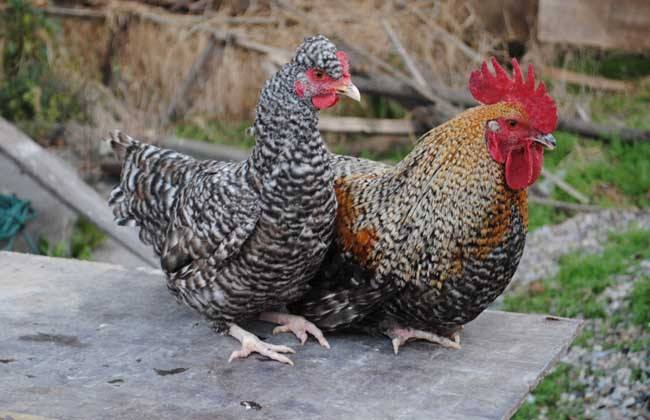
Advantages of Partridge Chicken Farming Technology, Costs, Profits, Market Prices and Nutritional Value
The Partridge Chicken is a native Chinese chicken breed of the dual-purpose egg-and-meat type. Partridge Chickens have relatively strong disease resistance, well-developed muscles, and fine, springy meat, and they are more nutritious than ordinary chickens. They are widely favored by consumers in the market, so farming Partridge Chickens is relatively high in economic value.
-
What is the difference between the Partridge chicken and the domestic chicken? Price and farming prospect analysis
The Partridge chicken is a high-quality chicken, with a large oval body, a single comb, and black-and-white mottled feathers; in roosters the white bars are wider than the black, while in hens the bars are uniform in width. What is the difference from the domestic chicken? The two differ in appearance: the Partridge chicken's feathers are black-and-white mottled, and apart from outward features, the two also differ in living habits.
-
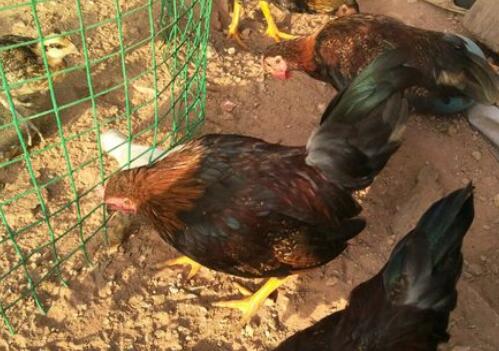
Detailed Guide to Tea Flower Chicken Prices, Chick Purchase Channels, Market-Ready Time and Breeding Techniques
Tea Flower Chicken is commonly known as red junglefowl, red jungle fowl, wild chicken, or zhuye. It is famous in southwest China and is produced in the deep mountains and old forests around Xishuangbanna. So how much does a Tea Flower Chicken cost on the market? Where are chicks sold? How many months until they grow to market-ready size? What are the breeding techniques? From Yunnan live poultry markets, it is learned that
-

Feeding chickens with kombucha helps increase egg production
In the process of raising chickens, the author once used kombucha liquid to mix feed for laying hens and achieved obvious results. The laying rate reached over 95%, which was 15% higher than the original mixing with clean water, and the eggs laid were also larger than before. Preparation of kombucha liquid: Put an appropriate amount of tea leaves and white sugar into a teapot, then brew with boiling water. After it cools, use it as a culture medium to inoculate (soak) the kombucha starter. After 3 to 5 days, it becomes kombucha liquid. Mix it into the compound powder feed at a dosage of 2 milliliters per chicken per day and it can be fed. Using kombucha liquid
条件筛选