-
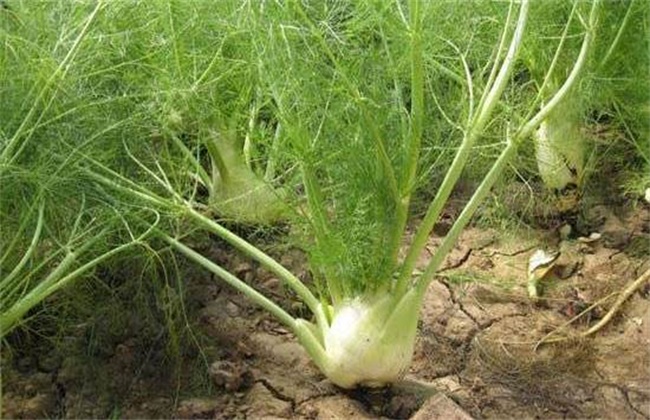
A Detailed Guide to the Cultivation Techniques and Management Methods of Bulb Fennel
Cultivation Techniques for Bulb Fennel
-
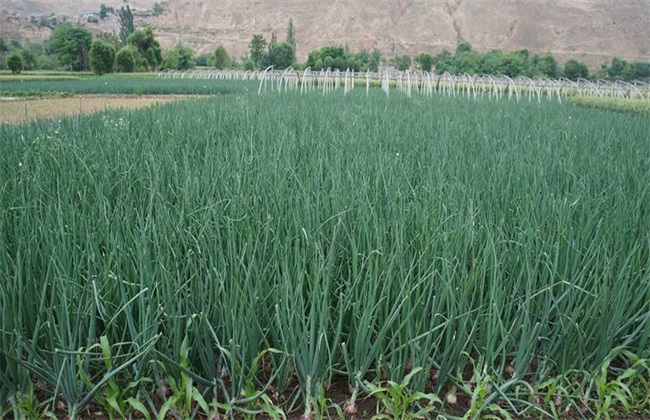
Management Methods and Technical Key Points for the Bulb Enlargement Stage of Onions
Management of Onions During the Bulb Enlargement Stage
-

What causes garlic bulbs to split open and cloves to scatter
Causes of garlic bulbs splitting open and cloves scattering
-

What are the main storage-period diseases of garlic scapes and garlic bulbs?
In Jinxiang County, Shandong Province, the garlic planting area has been around 500,000 mu in recent years, accounting for 40% of the county's cultivated land area. The county has 700 large and small constant-temperature warehouses, with a storage capacity of 450,000 t. Every year from late April to early-to-mid May, garlic scapes and garlic bulbs are harvested in a concentrated period. Apart from a small amount consumed locally or shipped out, most of the garlic scapes and garlic bulbs are stored. Losses occur during storage, and rot caused by various diseases is the main cause of loss during the storage of garlic scapes. 1 Diseases of garlic scapes during storage 1.1 Gray mold 1.1.1
-
Cultivation Technical Points for the Dual-Purpose Bolt and Bulb Garlic Variety Fengsuan No. 1
Fengsuan No. 1 garlic has characteristics such as early maturity, cold tolerance, disease resistance, early bolting, large bulbs, high yield and good quality. It is a dual-purpose bolt and bulb garlic variety for autumn cultivation in the Huang-Huai River basin. The variety has a whole growth period of 215 days, with 12-14 leaves, and 6-7 leaves at overwintering; plant height 60-70 cm, pseudostem height 25 cm, diameter 1.5-2 cm; garlic bolt length 60-80 cm, red bracts, single bolt weight 23-30 g, easy bolting, crisp and tender texture with good flavor; garlic bulb skin with slight purple stripes, transverse diameter 5.3-7.2 cm,
-
What are the traditional methods for storing and preserving garlic bulbs?
After garlic bulbs are harvested, they enter a dormant period and are extremely sensitive to the surrounding environment during storage (such as temperature and humidity); a slight lapse in care can easily lead to rot and spoilage. Several traditional preservation techniques are introduced below: 1. Mixed storage with bran. First spread a 2 cm thick layer of bran on the bottom of the storage container, then stack the dried garlic bulbs layer by layer by piling one layer of garlic bulbs (a height of 2 to 3 bulbs is appropriate) and covering it with a full layer of bran. When the pile reaches 4 to 5 cm from the mouth of the storage container, cover the garlic bulbs completely with bran. This method mainly uses the bran to maintain
-
How to prevent garlic bulbs from splitting apart? Do these management measures well
In the late stage of bulb enlargement, if there is too much rain and the soil humidity is too high, it will affect the formation of the garlic skin. If the harvest is too late, even if the garlic skin has formed, it will rot due to soaking, the garlic skin will loosen, the base of the leaf sheath will rot, and the garlic cloves and the shortened stem will separate and fall off due to rot, causing the bulbs to split apart. Garlic can also split apart during storage due to excessive humidity. The main measures to prevent splitting apart are introduced as follows. 1. Reduce soil humidity. In the late stage of bulb enlargement, drainage work should be done well. Drain promptly after rainfall, and do not water heavily unless there is drought, to avoid
-
Detailed Explanation of Garlic Bulb Storage and Freshness-Preservation Techniques
After garlic bulbs are harvested, they enter a dormant period and are extremely sensitive to the surrounding environment during storage (such as temperature and humidity); a slight lapse in care can easily lead to rot and spoilage. Several traditional freshness-preservation techniques are introduced below: Mixed storage with chaff: first spread a 2 cm thick layer of chaff on the bottom of the storage container (or basket), then follow the method of stacking one layer of garlic bulbs (a height of 2-3 bulbs is appropriate) and covering it with a full layer of chaff, piling up the already air-dried garlic bulbs layer by layer. When the pile reaches 4-5 cm from the mouth of the storage container, completely cover the garlic bulbs with chaff. This method mainly
-
Introduction to the New Garlic Bulb Splitter and Pneumatic Garlic Peeler
Cheng Shenyan, a mechanical and electrical industry technician in the Economic Development Zone of Feng County, Jiangsu Province, based on the previously developed rub-and-press garlic bulb splitter and fully automatic airflow garlic peeler, further adjusted the internal structure and devoted himself to developing a fully automatic pneumatic garlic peeler, which recently obtained a National Utility Model Patent Certificate (Patent No.: ZL2005200687782.2). The fully automatic pneumatic garlic peeler adopts multiple pressure-difference technologies; the pneumatic process is simple, saves electricity, time and labor, requires no added water for peeling dry garlic, causes no damage to the garlic, and peels
-
Garlic Virus-Free Propagation Technology: Using Aerial Bulbils as Seed
Garlic is usually propagated asexually through cloves (underground bulbs). Cloves are modified lateral buds and are part of the mother plant. Long-term asexual reproduction inevitably leads to the accumulation of viruses within the plant as well as the buildup of other undesirable traits, causing degeneration of garlic seed stock. However, the aerial bulbils produced by sexual reproduction of garlic undergo a natural virus-elimination process during the alternation of generations between sporophyte and gametophyte. According to many years of production practice, using garlic aerial bulbils (garlic beads) as seed can accelerate the propagation of elite varieties and has the effect of reducing virus accumulation and improving seed vigor
条件筛选