-

A Detailed Guide to Propagating Boston Fern by Division
When to Divide Boston Fern Boston fern can be divided in spring, summer and autumn; divisions in early spring, in April-May, can be done together with repotting. How to Divide Boston Fern In early summer, the stolons growing from the plant grow rapidly and produce small plantlets with roots
-
Are Boston fern and sword fern the same kind of fern?
Boston fern and sword fern are not the same kind of fern. The Boston fern has upright rhizomes and relatively ordinary fronds, and is a trailing foliage plant. The sword fern's fronds are covered with scales and made up of irregular leaflets, but its overall appearance is still similar to the Boston fern. The only biggest difference lies in
-
Boston Fern: Detailed Guide to Planting Methods and Cultivation Techniques
Generally placed indoors in bright, indirect light for growing; it must not be exposed to direct strong sunlight, but it also should not be kept in a dark place. The optimal growing temperature is 15-25°C, and in winter it can overwinter safely at temperatures above 10°C. Although it is drought-tolerant, it still needs plenty of moisture, and should not be too wet or too dry; the potting soil should be kept constantly moist.
-
Can Boston ferns be grown hydroponically? Read this and you'll understand
Boston ferns can be grown not only in soil but also hydroponically, and the hydroponic method is even simpler. The above is an introduction to whether Boston ferns can be grown hydroponically; below we'll look at the planting methods and cultivation techniques for Boston ferns
-
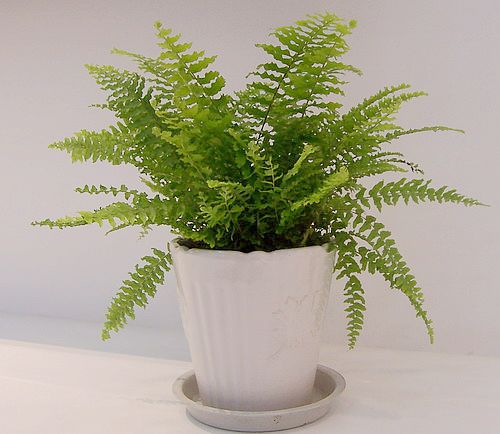
How to grow Boston fern (Nephrolepis exaltata 'Bostoniensis')? Detailed care guide
Boston fern (Nephrolepis exaltata 'Bostoniensis') Scientific name: nephrolepisexaltatabostoniensis Morphological features: small terrestrial or epiphytic fern. Fronds clustered, once-pinnate, slightly drooping; pinnae margins distinctly wavy, tips twisted, pale green
-
How to care for the Boston fern? These methods you need to master
The Boston fern, also known as comb fern. It is a perennial evergreen herbaceous plant of the Davalliaceae family. The fronds are deeply pinnatifid, lanceolate, bright green, and grow in dense clumps. The sori are borne at the tips of the upper veinlets on each side vein of the pinnae, and the indusium is kidney-shaped. Commonly cultivated plants of the same genus include the long-leaved Boston fern, the fine-leaved Boston fern, and the slender-leaved Boston fern.
-
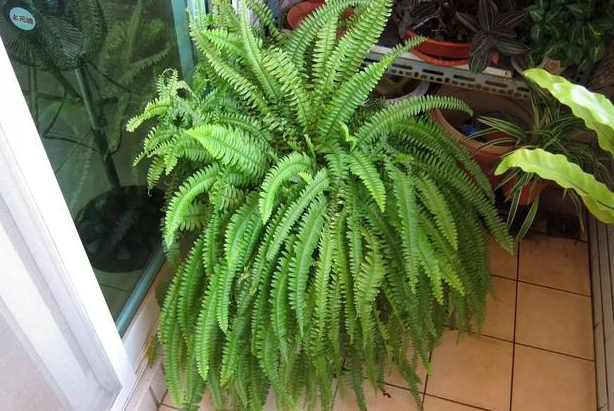
How to make a Boston fern grow vigorously, and can it be grown hydroponically?
Boston fern, this is something many people absolutely love, this Boston fern is quite nice-looking, what are the ways to make this Boston fern grow vigorously? Can Boston fern be grown hydroponically: Ways to make a Boston fern grow vigorously: Light, it can be grown anywhere indoors with bright light, avoid positions exposed to direct sunlight
-
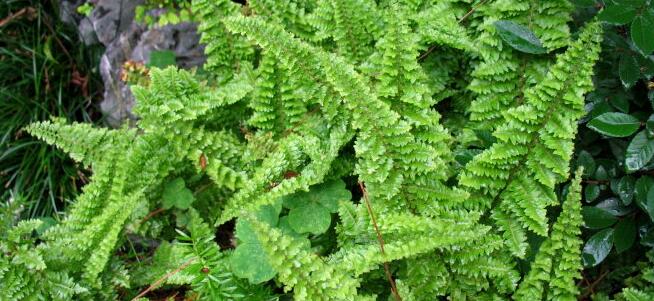
What to Do When Boston Fern Leaves Turn Yellow? Plus Prevention Methods
The Boston fern is a perennial evergreen fern herbaceous plant native to the tropics and subtropics, best suited for pot cultivation as an indoor hanging ornamental. What should you do when Boston fern leaves turn yellow? Read on with the editor to find out.
-
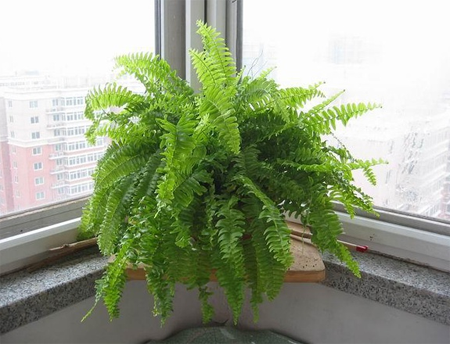
Can Boston Fern Be Grown in Water? Cultivation Methods and Precautions
The Boston fern (Nephrolepis exaltata 'Bostoniensis') is very cold-tolerant, but it prefers humid environments and is relatively easy to grow. What are the cultivation methods and precautions for Boston fern? Can Boston fern be grown in water? Cultivation methods and precautions for Boston fern: Generally place it indoors in a spot with bright, indirect light for growing.
-
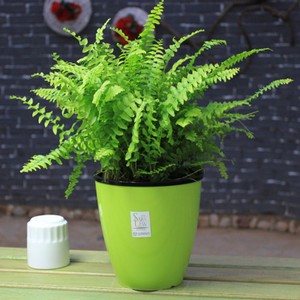
Boston Fern: How to Grow It, Key Points to Note, and Photo Gallery
The Boston fern is a terrestrial fern foliage plant of the family Nephrolepidaceae (sword fern family) and the genus Nephrolepis. It originated in the tropics and subtropics, and is distributed in Taiwan, China. It is a perennial evergreen herbaceous fern. The rhizome is upright, with stolons. The fronds grow in clusters and can reach over 60 cm in length, with slender compound leaves; the fronds droop after unfurling.
条件筛选