-
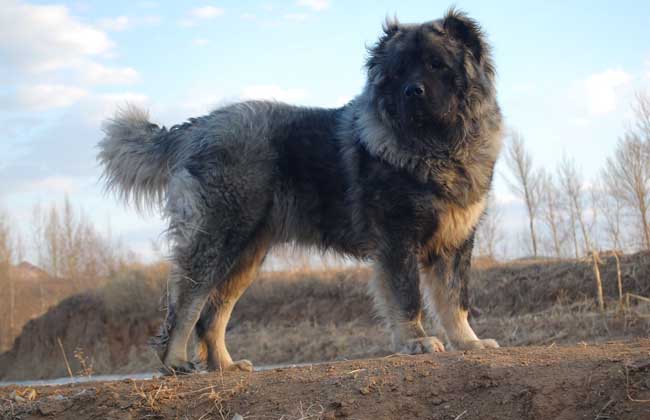
How much does a Caucasian Shepherd Dog cost? A detailed price guide
How much does a Caucasian Shepherd Dog cost?
-

Detailed Explanation of Key Points for High-Quality Cultivation Techniques of Huanghuali (Asian Pear)
Huanghuali pears produced with traditional techniques have poor quality and low economic returns. To achieve high quality, high yield, and high returns for Huanghuali pears, the following cultivation techniques must be implemented: 1. Change the traditional pruning and training method, converting the lateral central-leader form to the natural open-center form. Remove the central leader of the pear tree, leaving only three main scaffold branches, similar to the training form of peach trees. Practice has proven that through this simple measure, apical dominance is weakened, the scaffold branches become noticeably thicker, increasing by 35 cm compared with ordinary production orchards, and the extended branches of the main limbs reach over 2 m, expanding the canopy and increasing the fruiting area in the second year.
-
Introduction to the Breeding Methods of the East Asian Scorpion "Shenlong No. 1"
The East Asian scorpion "Shenlong No. 1" is a new breed developed through hybrid vigor. Its advantages are large body size, high venom yield, short growth cycle, high litter rate, and high reproduction rate, and it has improved immunity to the original diseases and pests and adaptability to the growth environment, which facilitates feeding management. I. Characteristics: The features of this breed are similar to other East Asian scorpions. The trunk (from the anterior abdomen to the cephalothorax) is flat and elongated oval, and the posterior abdomen is tail-shaped. The entire body resembles a pipa shape, and the whole body surface is a highly chitinized hard skin. The body is
-
East Asian scorpion
The East Asian scorpion has a relatively long body and is deep black. It prefers slightly acidic soil and feeds on insects. It produces many offspring but has poor maternal instincts. It is mainly found in the border area between Shandong and Hebei.
-
What kind of fish is the East Asian plateau loach? Characteristics and habits
Common name: Jiuerbang. Origin and season: Widely distributed in Qinghai, Tibet, Gansu, ** and western Sichuan. Description: Mouth inferior, relatively wide. Lips thick, upper lip wrinkled, lower lip with papillae and deep wrinkles, lower jaw spoon-shaped. Tips of pelvic fins extending backward to or beyond the anus. Caudal peduncle relatively high. Body surface smooth and scaleless. A bottom-dwelling fish, living in slow-flowing streams or shallow water with abundant gravel and aquatic plants, feeding on animal food. Individuals are relatively large; a specimen with a body length of 142 mm has been observed; numbers are abundant and can form regional
-
An introduction to the physical characteristics and living habits of the Eurasian red squirrel
Eurasian red squirrel size: body length about 30cm, tail length about 20cm; origin: central Europe to western Asia; diet: omnivorous, mainly plant-based. A large squirrel. The whole body is bright reddish-brown, and the belly is white. The ears have long hair. It is large in size and lively in movement, so a fairly large cage is needed when keeping it.
-
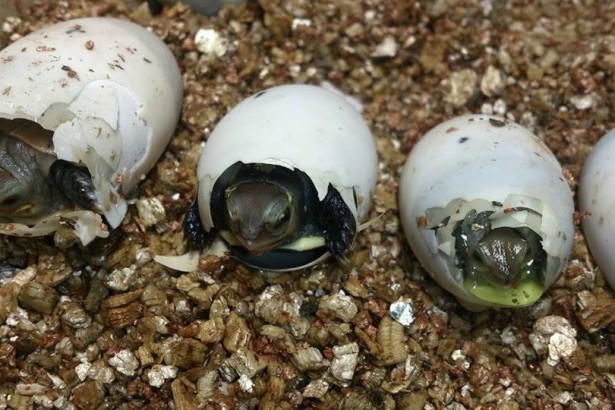
Starting with the Chinese box turtle, Taiwan builds a Southeast Asian turtle conservation center
Starting with the Chinese box turtle, making Taiwan a Southeast Asian turtle conservation center
-

Event | November 29, 2018 "Community Kitchen of Korea's Haja Center and East Asian Urban-Rural Exchange Experience Sharing" @Taipei
Event | November 29, 2018 "Community Kitchen of Korea's Haja Center and East Asian Urban-Rural Exchange Experience Sharing" @Taipei
-

Another Chinese habit that stumps foreigners: people say it's even harder than the Asian squat
We all know that every country has different customs, and there are also some habits that differ from those of other countries. For example, we Chinese eat with chopsticks, while Western countries often use knives and...
-
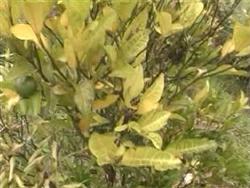
A Detailed Introduction to the Asian Citrus Psyllid and Its Control Methods
Asian citrus psyllid [Diaphorina citri Kuwayama] belongs to the order Homoptera, family Psyllidae. It is an important pest during the tender shoot stage of citrus, mainly damaging citrus, and can also damage Rutaceae plants such as orange jasmine (Murraya paniculata) and wampee (Clausena lansium). Damage characteristics: adults and nymphs gather in groups on tender shoots, young leaves and new buds to suck sap. The damaged tender shoots...
条件筛选