-

Indoor plants absorb formaldehyde and benefit your health
Plants have earned the fine title of "natural purifiers." They can decorate and beautify the environment and also purify the air, so they are an effective way to purify indoor air. Through photosynthesis in their leaves, plants can take in carbon dioxide and release oxygen when there is plenty of sunlight, but at night they not only release carbon dioxide but also take in oxygen.
-

Why Is the Money Tree the Best Plant for Absorbing Formaldehyde? Benefits and Key Growing Points
A recent article titled "Alibaba P7 Employee Dies of Leukemia, Had Rented a Ziroom Apartment with Excessive Formaldehyde" has once again become a public focus. Amid the inner panic, many people have also raised this question: Can formaldehyde cause leukemia? People dare not move into a newly renovated home for fear of excessive formaldehyde.
-

Recommended plant varieties that absorb cooking fumes, with care tips
When cooking at home, it is inevitable to encounter cooking fumes filling the whole room. Even with a range hood at home, sometimes you still choke and cannot breathe, which troubles many home cooks.
-

Care Guide for Banana Shrub (Michelia figo), a Plant That Can Absorb Chlorine
Banana shrub is an evergreen shrub with glossy green leaves and banana-scented flowers. Because its flowers open without fully spreading, as if smiling but silent, it is much beloved.
-
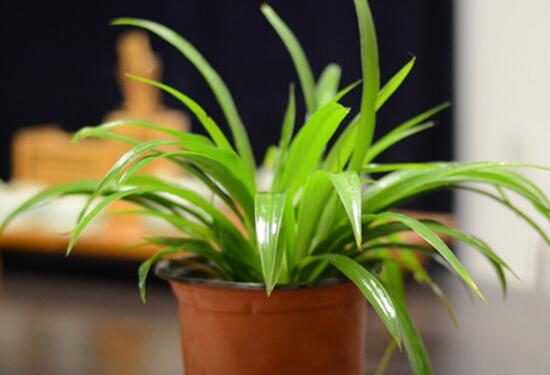
The Benefits and Effects of the Green-Leaf Spider Plant: Fresh Green Foliage with Strong Ornamental Appeal / Absorbs Formaldehyde and Even Has Medicinal Value
The green-leaf spider plant is one member of the spider plant family. Although its leaves lack the golden stripes of the variegated spider plant or the golden-centered spider plant, its foliage is a fresh, vivid green and still strikingly beautiful. In daily life, many people grow the green-leaf spider plant, some for its beauty and others for its ability to absorb formaldehyde. Overall
-
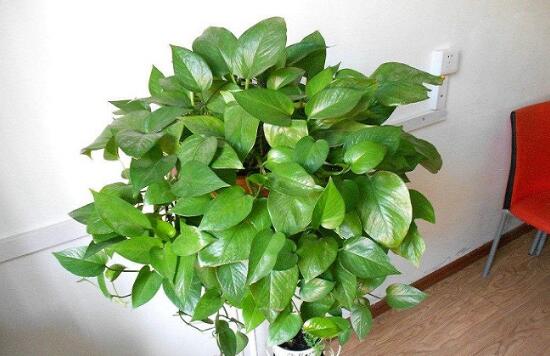
Does pothos and spider plant absorb formaldehyde? Detailed explanation of their effects, functions and medicinal uses
It's unclear when it started, but keeping a potted plant indoors has become increasingly popular, especially in newly renovated homes, where several pots of pothos and spider plant are placed, said to absorb formaldehyde. So do pothos and spider plant absorb formaldehyde? We can understand this through the effects and functions of pothos and spider plant; not only are they attractive
-

Does lipstick plant absorb formaldehyde? Detailed explanation of its effects, functions and medicinal value
Growing green plants at home has now become a popular trend, especially in newly renovated houses, where keeping a few pots of formaldehyde-absorbing plants is definitely a good choice. At this point, some people want to grow lipstick plant, so does lipstick plant absorb formaldehyde? Besides that, what are the effects and functions of lipstick plant? On this
-
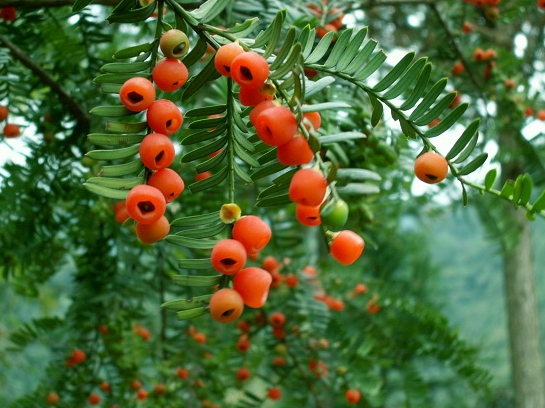
Yew can absorb carcinogenic substances - what are its cultivation methods and precautions?
The yew is so named because its fruit is red, just like the love pea. What are the cultivation methods and precautions for yew? What carcinogenic substances can it absorb? Cultivation methods for yew: The yew likes cool and humid climates, can withstand low temperatures below -30°C, and is highly cold-resistant.
-
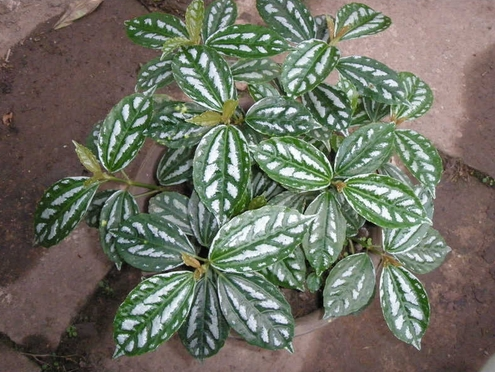
Can Pilea absorb toxins? Detailed guide to propagation methods
Pilea grows lush and green, and just looking at it can put people in a great mood. If you want to grow several more Pilea plants at home, what are the propagation methods for Pilea? Can it absorb toxins? Propagation methods for Pilea: 1. Cuttings propagation is generally the way to go, simple and effective. Spring is usually best, summer is barely acceptable.
-
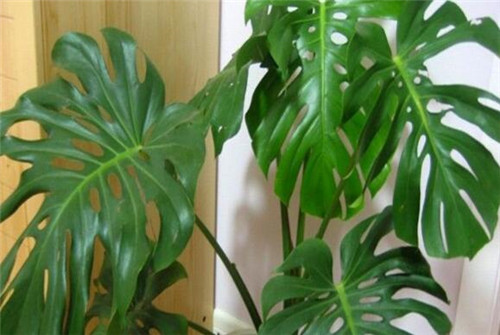
How to grow the formaldehyde-absorbing Swiss cheese plant so its leaves split? Growing methods and precautions
The name Swiss cheese plant may be unfamiliar to friends who do not grow green plants. It is very popular in tropical regions and is generally cultivated in greenhouses. The Swiss cheese plant is also called ceriman, wire netting plant, and so on. As a plant of the Araceae family, it has its own unique charm
条件筛选