-
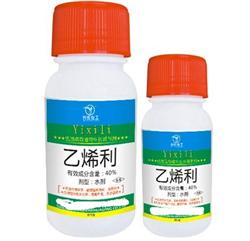
Why spray cucumber plants with ethephon in summer and autumn?
Why should cucumbers be sprayed with ethephon in summer and autumn? How do you spray cucumbers with ethephon? Experienced netizens are also asked to help explain, because the cucumber is a monoecious crop with unisexual flowers pollinated by cross-pollination, and the timing and number of female and male flowers appearing have a decisive impact on cucumber yield and economic returns. During the summer and autumn cucumber growth and development stage...
-
What are the precautions for seed soaking with pesticides? Growers need to know
What should be noted when soaking seeds with pesticides? Please note the following points when using pesticides to soak crop seeds (for reference): 1. Pay attention to choosing the formulation of the pesticide. Seed soaking with pesticides uses a diluted solution of the pesticide, so the pesticide used must be soluble in water. Powders cannot be used for seed soaking, because powders do not dissolve in water; the powder floats on the water surface...
-
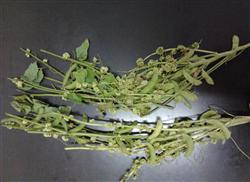
How to control dodder in soybean with glyphosate?
How do you use glyphosate to control dodder in soybean? Please explain the method. Dodder in soybean is a parasitic weed on soybean, also known as rootless vine. After soybean is sown and emerges, the dodder seeds in the soil also begin to germinate; after the young stems extend above the soil surface, they absorb nutrients from the soybean plants, reducing soybean flowering and pod setting, and in severe...
-
Can fungicides be mixed with microbial pesticides?
Can fungicide pesticides be mixed with microbial pesticides? Please explain that fungicide pesticides cannot be mixed with microbial pesticides. Because many fungicides have a killing effect on microorganisms, mixing them easily makes the microbial pesticide ineffective. In addition, you should also note: for varieties that are themselves compounded pesticides, before use you need to understand their...
-
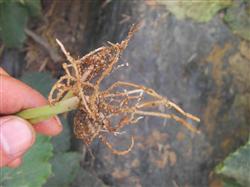
What precautions should be taken when drenching roots with fungicides? Correct operation is key
What issues should be noted when drenching roots with fungicides? Please explain. To prevent vegetable root diseases, vegetable growers commonly drench roots with fungicides. Although the effect is good, certain precautions during root drenching must not be ignored, otherwise there will be side effects. First, greenhouses that have already used bacterial fertilizer should try not to use fungicide root drenching for disease prevention. For...
-
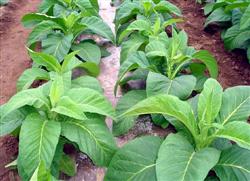
What are the precautions for drenching roots with fungicides?
What should be noted when drenching roots with fungicides? Please give an introduction. Drenching roots with fungicides is a simple and easy effective measure for controlling crop root diseases. But the following points should be carefully noted when drenching roots. Drug selection should be reasonable: choose fungicides with strong specificity and high disease-control efficacy; do not use drugs blindly...
-
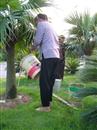
Why should you not water before and after drenching the roots with fungicide?
Why should you not water before and after drenching the roots with fungicide? Here are the reasons. Before drenching the roots with fungicide, you should not water. First, because the root disease of the crop has already occurred; if you water, the pathogens will spread with the flowing water, causing more dead plants. Second, because watering easily leads to reduced soil aeration, root oxygen deficiency, and...
-
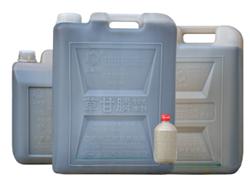
What types of adjuvants are commonly used with glyphosate?
What adjuvants are commonly used with glyphosate? Please introduce the main SAA currently used as glyphosate adjuvants: tallow fatty amine ethoxylates, alkyl polyglycosides, fatty alcohol ethoxylates, silicone SAA, betaines, amino acid-based SAA, anti-drift agents, anti-hard-water agents, synergists, etc. Glyphosate is a low...
-
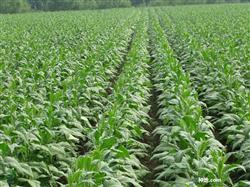
What precautions should be taken when dressing seeds with powder-form pesticides?
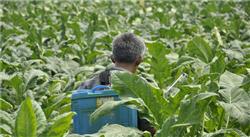
How should herbicides be used on tobacco? Please provide guidance. Tobacco has small seeds and slow-growing seedlings, and is often harmed by weeds. The main weeds include: green foxtail, Chinese sprangletop, early barnyardgrass, goosegrass, shortawn foxtail, cocklebur, flatsedge, cleavers, chickweed, plantain, dandelion, and others. Weed control in tobacco fields...
-
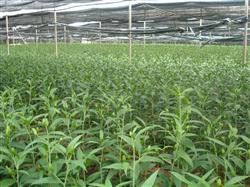
Which herbicides should be used with caution on flowers, plants and nursery stock?
When choosing herbicides, note that many herbicides are not suitable for use in gardens, flower nurseries and lawns. 1. Post-emergence herbicides for controlling broadleaf weeds. MCPA, 2,4-D, bentazone, dicamba, fluroxypyr, chlorimuron, clopyralid, haloxyfop and others must not be used in nurseries, gardens or Zoysia matrella lawns. ...
条件筛选