How to control dodder in soybean with glyphosate?
How do you use glyphosate to control dodder in soybean? Please explain the method. Dodder in soybean is a parasitic weed on soybean, also known as rootless vine. After soybean is sown and emerges, the dodder seeds in the soil also begin to germinate; after the young stems extend above the soil surface, they absorb nutrients from the soybean plants, reducing soybean flowering and pod setting, and in severe...
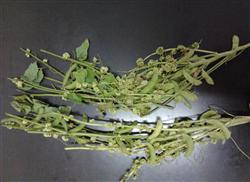
How do you use glyphosate to control dodder in soybean? Please explain the method.
Dodder in soybean is a parasitic weed on soybean, also known as rootless vine. After soybean is sown and emerges, the dodder seeds in the soil also begin to germinate; after the young stems extend above the soil surface, they absorb nutrients from the soybean plants, reducing soybean flowering and pod setting, and in severe cases, the entire soybean plant withers, greatly affecting soybean yield and quality. In the past, for dodder control, we used acetochlor, alachlor, butralin and other chemicals before and after emergence respectively; although there was some effect, it was not very satisfactory. In recent years, farmers in soybean-producing areas have used glyphosate to control dodder and achieved relatively good results. The control efficacy is generally above 85%.
The principle of using glyphosate to control dodder mainly relies on the difference in glyphosate tolerance between the parasite and the host plant, that is, soybean has strong tolerance to glyphosate and can endure a certain range of spray concentration, while dodder has very poor tolerance. The method is to apply it shortly after dodder emerges, in the early stage of damage to soybean, during the period when it occurs in patches in the field. When dodder infection centers are found, spray a 400-fold dilution of 10% glyphosate on the soybean plants in the infection centers; spray evenly and do not miss any areas. 10-15 days after spraying, large numbers of dodder die. However, 3-4 days after treatment, the young leaves of soybean begin to turn yellow, showing slight phytotoxicity symptoms, but this has no major effect on their growth and development; after about 7 days, the proportion of yellowed plants stops spreading, and after about 10 days all young leaves turn green and normal growth resumes. In addition, note that because dodder continues to occur in the field, about two weeks after the first application, another inspection and treatment should be carried out to achieve thorough control.
Click to get more herbicide application techniques
Click to get more pesticide application techniques
Click to get more soybean cultivation techniques