-
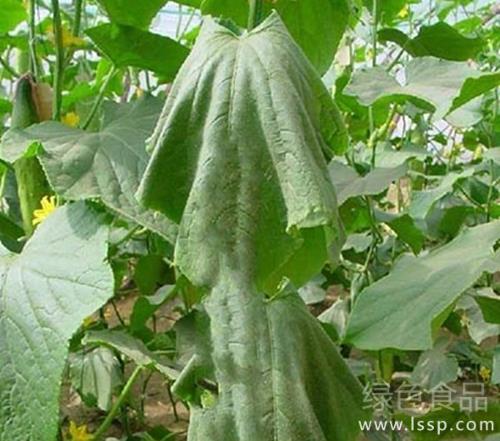
What to do when greenhouse cucumbers wilt and die, affecting yield?
Wilting causing dead plants and affecting yield: greenhouse cucumber wilting methods and countermeasures
-

What nutritional points should be noted when raising piglets in spring and summer?
From March to June, temperatures gradually rise, which is exactly a favorable period for developing pig production. Four issues should be noted in feeding. First, pay attention to temperature changes. In spring and summer, temperatures vary greatly, there is more rain, and humidity is relatively high. Pigs prefer a dry environment, have little fat tissue, and piglets are prone to feeling cold. Therefore, the temperature inside the shed and the dry environment of the pen should be maintained. Second, pay attention to increasing protein feed. Especially for piglets that have undergone long-distance transport, because they are stimulated by wind, cold, and the bumps of vehicles and boats, some piglets
-
What to Do When Chickens and Ducks Suffer Heatstroke? Detailed Prevention and Treatment Measures
1. Causes of heatstroke in chickens: Persistently high temperatures, low chicken house height, poor heat prevention and cooling facilities, and lack of ventilation cause obstacles to the dissipation of accumulated heat in the house, making the temperature inside high; excessive stocking density means the flock releases more heat, raising the house temperature; manure is not cleaned in time, and after chicken manure accumulates, the ammonia concentration in the house increases and humidity rises, and under high temperature and high humidity, chickens' heat dissipation is impaired; insufficient drinking water; feed energy is too high, causing chickens to become overweight and accumulate too much body fat. 2. Symptoms and pathological changes of heatstroke in chickens: First
-
What to do when the white part of scallions is short, thin, and hollow? Control measures and integrated management
1. Select excellent long-white scallion varieties, such as Zhangqiu scallion, grain scallion (whip-pole scallion), etc. 2. Choose a plot with deep soil, fertile texture, and good drainage, and carry out deep plowing and fine harrowing; generally plow deeper than 30 cm, dig 20-30 cm deep, 15-30 cm wide or more, with ridges 70-80 cm wide between furrows to facilitate earthing up. Before planting, open furrows and apply fertilizer, applying 1000-5000 kg of farmyard manure per mu, then subsoil the furrows deeply so that manure and soil are combined. 3. Plant between Grain in Ear and Minor Heat; earlier is better than later. If planted too late,
-
What to Do When the Survival Rate of Planted Sichuan Pepper Is Low? Cause Analysis and Solutions
Main Causes of and Countermeasures for the Low Survival Rate of Planted Sichuan Pepper Sichuan pepper grows fast, bears fruit early, and has relatively high economic benefits, making it a major tree species for poverty alleviation and prosperity in poor mountainous areas. In recent years, with the large-scale implementation of the Grain for Green Project, the area planted with Sichuan pepper has increased year by year, but the survival rate is not high. The reasons mainly include the following aspects. 1. Too little local seedling raising In recent years, Sichuan pepper seedlings have mostly been raised in river valley areas with better water and fertilizer conditions, resulting in pepper seedlings raised in river valley areas being planted in mountainous areas. The site conditions for Sichuan pepper differ greatly, and the seedlings cannot adapt all at once, which directly affects survival.
-
How to treat water quality when watering rhododendrons
When watering rhododendrons, pay special attention to water quality. It is best to use natural rainwater, because natural rainwater does not contain bleach powder and other chemicals and impurities. Next best are river water and pond water, and then tap water. Tap water is softened water that has undergone purification treatment, and it contains chemical agents such as bleach powder, liquid chlorine, and alum. If this kind of water is used for a long time, the alkalinity in the potting soil will gradually increase, which is not good for the growth of rhododendrons. Therefore, the water quality must be treated before use. The treatment method is to acidify it. For water that is neutral or slightly alkaline,
-
Things to note when potting and repotting azaleas
Azaleas should be potted once the cuttings have taken root. For pots, clay pots with good permeability are best, purple sand pots come second, and glazed pots and porcelain pots are the worst. When potting, pay attention to choosing the size of the pot, and never use a large pot for a small seedling. If the pot is too large, the potting soil stays wet for a long time, aeration will be poor, and at the same time the roots can easily fail to reach the pot wall, affecting the development of the seedlings. Generally, for rooted cuttings you can choose a clay pot with a diameter of about 10 cm, and after one year repot into a flower pot of about 15 cm. When potting, pay attention to making a good drainage layer: first cover the drainage hole with a piece of tile, then put
-
What to Do When an Azalea Withers and Dies? Cause Analysis and Solutions
Potted azaleas often wilt and die, which flower growers deeply regret. The causes and countermeasures are briefly analyzed below for reference: 1. Insufficient light time. Azaleas have large, beautiful flowers and a long blooming period, and they require ample sunlight. If placed indoors for viewing, photosynthesis is restricted, and the organic nutrients in the plant are quickly consumed, leading to death. Therefore, indoor placement should not be long, and the plant should often be placed in a sunny outdoor location. 2. Poor ventilation. Azaleas prefer a ventilated, cool growing environment. Ordinary home flower growing is mostly on balconies, where due to poor ventilation,
-
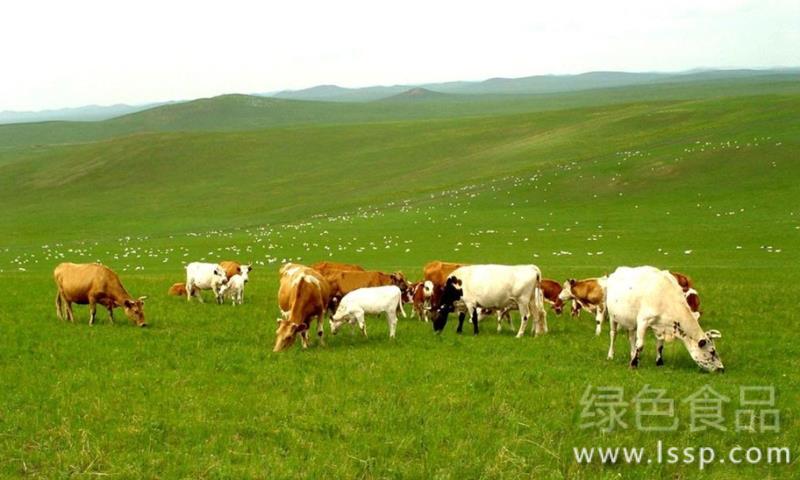
Autumn temperatures fluctuate greatly; when crops are harvested, do not let cattle and sheep eat five kinds of forage
Autumn temperatures fluctuate greatly; when crops are harvested, do not let cattle and sheep eat five kinds of forage
-
How to Ensure Safety When Transporting Pigs Long Distance? Practical Measures to Share
Pigs are susceptible to stress factors such as heat and cold, hunger, lack of water, fatigue, crowding, and trauma during long-distance transport, which causes massive depletion of body nutrients and weakened immunity, leading to the occurrence of various diseases, so extra precautions should be taken. Diseases that pigs are prone to during transport: 1. Respiratory diseases such as severe colds, bronchitis, and bronchopneumonia. 2. Disruption of digestive function in pigs, with digestive system diseases such as gastric atony and food retention. 3. Causing dehydration, electrolyte
条件筛选