-
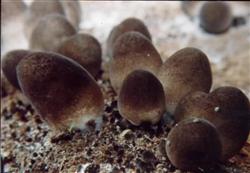
What to Do When Straw Mushroom Growth Is Abnormal? Detailed Explanation of Prevention and Control Measures
Straw mushrooms (Volvariella volvacea) are a high-temperature type of edible fungus and are the edible fungus variety with the largest cultivation area in summer locally. During the production of straw mushrooms, it is common to see patches of young mushrooms wither and die. Analysis shows that there are many causes of young mushroom death, mainly the following aspects. (1) The compost is too acidic. (2) The compost temperature is too low or the temperature changes abruptly. Straw mushrooms are...
-
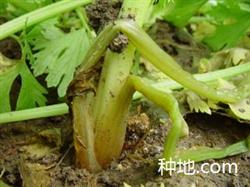
What to do when celery stalks are thin and long? Teach you effective control methods
What should you do when celery suffers from soft rot? Celery soft rot, also known as rot disease or putrefaction disease. The optimum temperature for onset is generally 25-30°C, and the affected parts are mainly the base of the leaf stalks or the stems. In the early stage, the lesions appear as water-soaked, light brown sunken spots, then become wet rot, turn black and give off a foul odor, with only the epidermis remaining. Control methods...
-
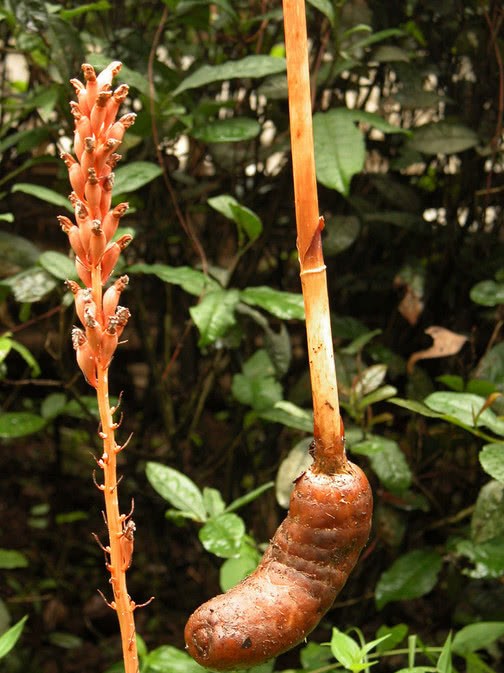
This plant absorbs nutrients through root fungi, has no leaves, and is only visible when it blooms: a golden industry for the lazy
This plant is a saprophytic orchid with no leaves, visible only when it blooms. It is Gastrodia elata (tianma), and its tubers are a famous traditional Chinese medicine that tonifies qi and invigorates blood. It absorbs nutrients through root fungi. Its long flower stalk reaches up to 1 m tall and attracts attention...
-
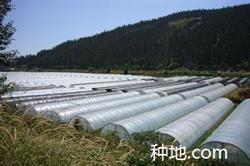
How to respond when greenhouse celery encounters disastrous weather
How should you respond when growing celery in a greenhouse encounters disastrous weather? When cultivating celery in greenhouses in winter and early spring, it often encounters disastrous weather such as prolonged overcast days, strong winds, snowfall, and rainfall, causing insufficient light inside the greenhouse, lower temperatures, increased humidity, and worsened diseases, seriously affecting the photosynthesis of celery, aff...
-
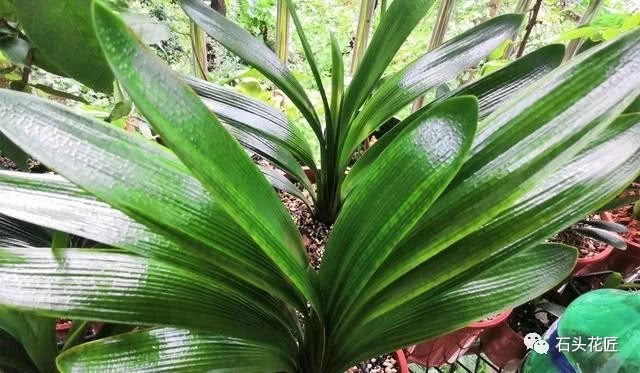
Growing Clivias in September: Feed Them This Once a Week, and in 30 Days They'll Grow Grid-Patterned Leaves and Shoot Up Flower Spikes When Winter Comes
As people's living standards rise and living conditions improve, more and more people are paying attention to healthy living and good health. So many people hope that the environment they live in can become healthy and cozy, and they keep some...
-

9 Flowers You Absolutely Must Have in Early Autumn, When Osmanthus Fragrance Fills the Air
Yesterday, a friend sent April a few pictures, along with a string of both-laughing-and-crying emojis. It turns out the Mid-Autumn Festival is coming soon, and their workplace was giving out benefits: three boxes of mooncakes per person. It was supposed to be a happy occasion, but when the friend opened them, every mooncake...
-
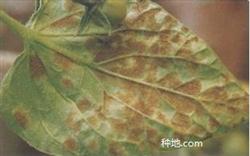
What to do when cherry tomatoes get leaf mold
What should you do when you find that cherry tomatoes have leaf mold? Cherry tomato leaf mold can be prevented and controlled as follows: 1. Symptoms. It mainly damages leaves, and in severe cases also damages stems, flowers and fruits. When leaves are infected, irregular or elliptical pale yellow chlorotic spots appear on the leaf surface, and a white mold layer first forms on the diseased part on the underside of the leaf, and later...
-
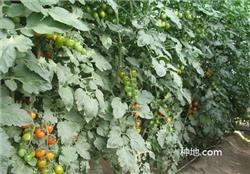
What to Do When Cherry Tomatoes Grow Too Vigorously? A Detailed Guide to Practical Vigor-Control Methods
What should you do if the cherry tomatoes you are growing now are growing too vigorously? The following methods can be used to control it: To control excessive vigor in cherry tomatoes, practice has proven that layering the vines to control the plant works very well. Layering the vines weakens apical dominance and inhibits rapid vegetative growth; by making use of this effect, plant vigor can be well regulated....
-

What are the key points to note when growing broad beans? Master these few points
Key points to note when growing broad beans
-

条件筛选