What to Do When Straw Mushroom Growth Is Abnormal? Detailed Explanation of Prevention and Control Measures
Straw mushrooms (Volvariella volvacea) are a high-temperature type of edible fungus and are the edible fungus variety with the largest cultivation area in summer locally. During the production of straw mushrooms, it is common to see patches of young mushrooms wither and die. Analysis shows that there are many causes of young mushroom death, mainly the following aspects. (1) The compost is too acidic. (2) The compost temperature is too low or the temperature changes abruptly. Straw mushrooms are...
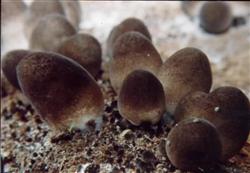 Straw mushrooms (Volvariella volvacea) are a thermophilic, moisture-loving, straw-decomposing fungus. The cultivation technique is easy to master, the production cost is low, and it is one of the fastest-returning edible fungi. However, after sowing, various abnormal phenomena often appear during the growth process of straw mushrooms, affecting both yield and quality. The causes and preventive measures for the abnormal phenomena that easily occur during straw mushroom growth are introduced below for the reference of straw mushroom growers.
I. Mycelial shrinkage
Under normal circumstances, about 12 hours after sowing, the spawn blocks begin to germinate and continuously grow into the compost. If the mycelium still has not germinated or still does not grow into the compost 24 hours after sowing, mycelial shrinkage may have occurred.
Causes of mycelial shrinkage ① High-temperature burning of the mycelium. When the temperature inside the compost exceeds 45°C for a long time, the mycelium will shrink and die. ② Effect of chemicals. Straw mushrooms are very sensitive to pesticides. After sowing, some growers spray pesticides to prevent diseases and kill insects, causing the mycelium to shrink due to pesticide damage. ③ Asphyxiation from lack of oxygen. If the water content of the compost is too high (exceeding 70%) or the plastic film is covered too tightly, the straw mushroom mycelium will shrink due to asphyxiation from lack of oxygen. ④ Ammonia damage. If too much urea is added to the compost or the field has too high a chemical fertilizer content, the ammonia gas released cannot dissipate and harms the straw mushroom mycelium. ⑤ Inferior spawn. If the spawn age is too short or too long, its vitality is weak and its stress resistance is poor, and shrinkage occurs under unsuitable environmental conditions. ⑥ Excessive temperature difference. Straw mushroom mycelium is relatively sensitive to temperature differences. For example, if the daytime temperature is above 32°C and the nighttime temperature is below 28°C, mycelial shrinkage will occur after watering. ⑦ Pest occurrence. If pests appear in the compost, their biting and feeding will cause the mycelium to shrink.
Prevention of mycelial shrinkage The growth cycle of straw mushrooms is short. When mycelial shrinkage is found, the cause should be identified promptly, effective measures should be taken, and new spawn should be supplemented to reduce unnecessary losses. Specific measures include: ① Prevent excessively high temperatures. When cultivating in open-field raised beds, it is best to build a simple shade shed to prevent the mycelium from being damaged by high temperatures at noon. During the compost stacking process, turn the pile twice when the compost temperature reaches about 75°C. When filling the beds, the spreading thickness of the compost depends on the season; for greenhouse cultivation in early spring and late autumn, the compost should be spread thicker. ② Do not use pesticides. Disease and pest control should be completed when processing the raw materials; after sowing, no chemicals should be applied to the surface of the compost. ③ Moisture should be appropriate. At sowing, the water content of the compost should be about 62%, to the extent that when the compost is tightly squeezed by hand, 1 to 2 drops of water seep out from between the fingers. When the moisture of the compost and the air temperature are relatively high, the film covering the surface of the compost should be propped up somewhat to facilitate ventilation. ④ Prevent ammonia damage. The amount of urea added must not exceed 0.2%, and it must be added when stacking the compost. ⑤ Select high-quality spawn. The best straw mushroom spawn has a spawn age of 15 to 20 days, uniformly distributed mycelium, vigorous and neat growth, grayish-white glossy mycelium, reddish-brown chlamydospores, and no contaminating microorganisms, insects, or mites. Spawn older than 1 month should not be used. ⑥ Water according to temperature. The water adjustment of the compost should be flexibly controlled according to the air temperature at the time, and the water temperature for spraying should be basically consistent with the air temperature. ⑦ Do a good job of environmental sanitation and pay attention to pest prevention. The cultivation site should be far from livestock and poultry pens, and the materials should be clean and free of mildew. Sun-dry them for 2 to 3 days before use. Disinfect the mushroom house thoroughly to eliminate sources of pests.
II. Excessive vegetative growth of mycelium
During the mycelial growth stage, when a large amount of white cottony aerial mycelium appears on the surface of the compost, this is excessive vegetative growth of the mycelium. After excessive vegetative growth of the mycelium, it cannot promptly shift to reproductive growth, primordium formation is delayed, there are few mature mushrooms, and the yield is low.
Causes of excessive vegetative growth of mycelium This is mostly caused by poor ventilation, which leads to high temperature, high humidity, and high carbon dioxide concentration in the bed, stimulating excessive vegetative growth of the mycelium.
Prevention of excessive vegetative growth of mycelium Cover the surface of the compost with plastic film. After 2 to 3 days, according to the mycelial growth condition, uncover the film regularly during the day to provide appropriate ventilation and lower the temperature and humidity, prompting the straw mushroom mycelium to grow into the compost.