-
How to choose the right spring corn fertilization plan for you?
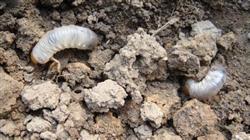
Seed treatment When planting spring corn, use seed coating agents such as carbosulfan, imidacloprid, chlorpyrifos, etc. for seed dressing to prevent underground pests from damaging the sown corn seeds. When applying pesticide and sowing, evenly broadcast diazinon granules, or chlorpyrifos granules, or phoxim granules around the corn seeds, 6~... per mu.
-
How to manage spring soybeans after sowing? These points need attention
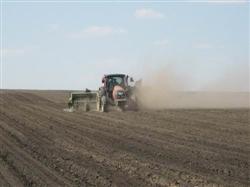
After spring soybeans are sown, it is the spring rainy season, so it is necessary to prevent excessive soil moisture and poor permeability, which can affect seedling emergence and even cause seed rot. Practical experience shows that planting the current year's spring soybean seeds in autumn and using the "autumn-propagated seeds" for spring sowing the following year can effectively prevent seed rot after sowing spring soybeans and increase the germination rate and seedling emergence rate.
-
High-Yield and High-Efficiency Cultivation Model and Techniques for Spring Soybean Intercropped with Corn and Relay-Cropped with Sweet Potato
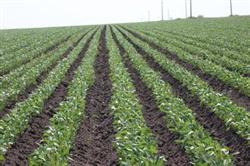
Right now is the sowing season for spring soybean and spring corn. Experts from the Provincial Department of Agriculture remind that the sowing window for spring soybean and spring corn spans a long period, the weather changes rapidly, and sowing conditions vary greatly, so it is not advisable to sow prematurely. The suitable sowing period is from late March to mid-May. Under conventional cultivation, our province...
-
How to carry out spring soybean cultivation and management? Sharing practical tips
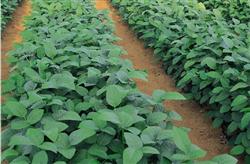
1. Variety selection. According to the local ecological type and market demand, select approved (recognized) varieties with a suitable maturity period, high yield, good quality and strong stress resistance according to local conditions, such as Xiangchundou No. 21, Xiangchundou No. 22, Xiangchundou No. 23, etc. Replace the seed once every 3 years. 2. Seed treatment. For planting in acidic soil...
-
Technical Recommendations for Spring Protected Cultivation of Hami Melon
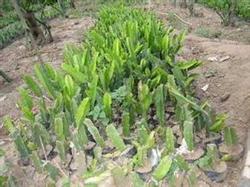
Pitaya (dragon fruit) is a perennial succulent-stemmed plant in the Cactaceae family, with a plant height of over 2 m, growing in very loose, porous, fertile sandy soil, intolerant of waterlogging, and growing well at 28°C to 38°C. I. Cuttings are most suitable in spring and summer; for cuttings, select fully developed stem segments, and the discarded branches cut off can also be used for cuttings...
-

Key Techniques for Spring Greenhouse Cultivation of Hami Melon
Hami melon is deeply favored by the public for its rich nutrition, sweet taste, and properties that help cool and relieve summer heat. Since 2002, with the technical support of Academician Wu Mingzhu of the **Hami Melon Research Center, Hami melon has been successfully introduced, demonstrated, and promoted in Jiading District, and new Hami melon varieties better adapted to the climate characteristics of the southern region have been selected...
-
High-Yield, High-Quality Cultivation Techniques for Oyster Mushrooms in Winter and Spring Imitating Wild Conditions
High-Yield, High-Quality Cultivation of Oyster Mushrooms in Winter and Spring Imitating Wild Conditions
-
What are the key technical points for fertilizer and water management of spring wheat?
Spring wheat fertilizer and water management
-
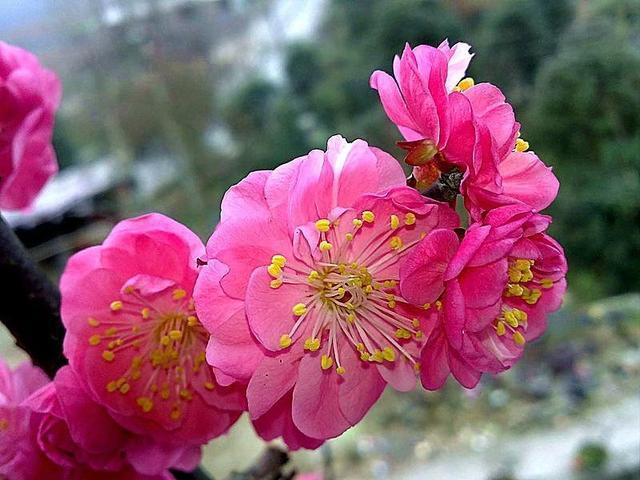
Spring Plum Appreciation: The Ornamental Characteristics of the Famous Spring Plum
Do you like this article? Share it right away so more people can see it! This site is rich and substantial in content, broad and profound, and our editors select trending news daily, updated at any time. Click "Be the First to Get the Latest News" to browse! Please continue...
-
Key Technical Points for Plastic Film Mulching Cultivation of Spring Sesame
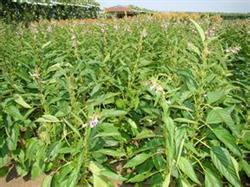
1. Select high-yield, disease-resistant varieties. Demonstrations in recent years have shown that choosing an excellent variety is the guarantee of a high yield. The E Zhi No. 2 variety has the characteristics of wide adaptability, good yielding ability, and relatively strong resistance, with a yield generally of 130-150 kg per mu, and it has now been promoted and cultivated over a large area. 2. Finely prepare the soil. Sesame seeds are relatively small...
条件筛选