-

Introduction to the Characteristics of the Spring Potato No. 3 Potato Variety
Breeding institution: Jilin Provincial Institute of Vegetables and Flowers. Approval status: approved by the Jilin Provincial Crop Variety Approval Committee in 1990, and by the National Crop Variety Approval Committee in 1997. Variety registration number: GS05001-1997. Variety source: S. demissum A6 X Kexin No. 3. Characteristics: plant height 80-90 cm, medium branching, stems stout, green, stem wings straight, leaf color light green, flowers white, tubers set in a concentrated manner, tubers round, tuber skin yellow with
-
Introduction to the Spring Potato No. 4 potato variety and its cultivation key points
Breeding institution: Jilin Provincial Institute of Vegetables and Flowers. Approval status: approved by the Jilin Provincial Crop Variety Approval Committee in 1993, and by the National Crop Variety Approval Committee in 1997. Variety registration number: GS05002-1997. Variety source: Wensheng No. 4 X Kexin No. 2. Characteristics: the plant is upright and luxuriant, with a plant height of about 90 cm, thick stems, dark green leaves, and purple flowers; it has strong growth vigor, sets many tubers in a concentrated manner, and the tubers are oblate with white skin and white flesh, and the potato skin has a net
-
Five points to note when introducing spring potatoes
At present, it is exactly the season for planting potatoes. When transferring and purchasing seed potatoes, be sure to understand in detail the latitude, altitude, climatic conditions and other circumstances of the production area of the potato seed tubers, and correctly choose the production area and variety according to the rules of potato introduction. Specifically, pay attention to the following five aspects: 1. Latitude and altitude. Trials show that introduction from high altitude to low altitude and from high latitude to low latitude is likely to succeed. The reason is that during the growth period of potatoes at high altitude and high latitude, the temperature is relatively low, the seed tubers are less infected by viruses and degenerate slowly, and when introduced to low altitude and low latitude for planting, they generally perform well
-
Master the Three Earlies and Three Skills for Spring Potato Planting to Achieve High Returns
Three Earlies: Choose early-maturing varieties. Practice has proven that selecting high-yielding, high-quality, virus-free potato varieties with a growth period within 70 days (from emergence to harvest) is the key to achieving high, stable yields and quality in spring-planted potatoes. Currently ideal varieties include Holland No. 7, Holland No. 15, Zhengshu No. 6, etc. Start sprouting early. Using a sunny cold frame before planting to pre-sprout can make potatoes emerge early and uniformly, with complete and strong seedlings, promoting early plant development and early tuber formation - this is an important yield-increasing measure. The key points of sprouting technique are: before planting
-
Key Techniques for Three-Membrane Covered Cultivation of Winter-Spring Potatoes
Three-membrane covered cultivation techniques for winter-spring potatoes (large arch shed, small arch shed, plastic film). Generally, sprouting is promoted and sowing is done in December, and harvest takes place at the end of March the following year. Each mu can yield about 3500-4000 kg of potatoes. It reaches the market one month earlier than early-spring plastic film covered potatoes, and the economic benefits are very significant. The cultivation techniques are as follows: 1. Site selection, shed construction specifications and planting specifications (1) Site selection and shed construction specifications. Choose plots with loose soil, sufficient water sources, and convenient drainage and irrigation to build sheds. Large arch sheds are generally 60 m long
-
Prevention and Treatment of Vitamin Deficiency in Pigs in Late Winter and Early Spring
In late winter and early spring, pigs are prone to vitamin deficiency. The main reason is that green fodder is still relatively scarce; in addition, some pig farmers provide a single, unbalanced feed, and the pig houses lack sunlight and ventilation, so pigs are susceptible to vitamin deficiency in spring. The prevention and treatment methods are described below: Vitamin A deficiency. Symptoms: dry skin, dull coat, indigestion, reduced appetite, slow growth. In some cases, vision is weakened and the nerves are disturbed. In severe cases, spasms, circling, unsteady gait, incoordination of movement, and even paralysis of the hindquarters may occur. In sows
-
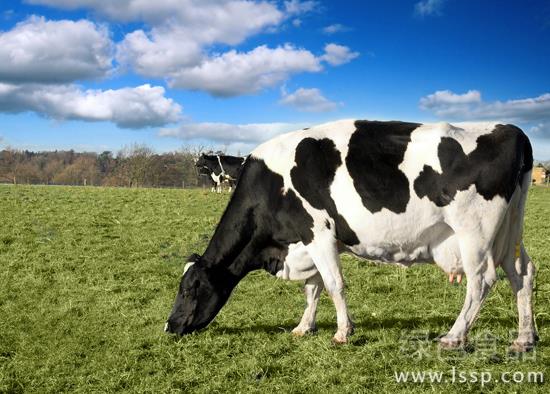
Be cautious when feeding silage to dairy cows in spring: master these feeding key points
Be cautious when using silage in spring: key points for feeding silage to dairy cows
-
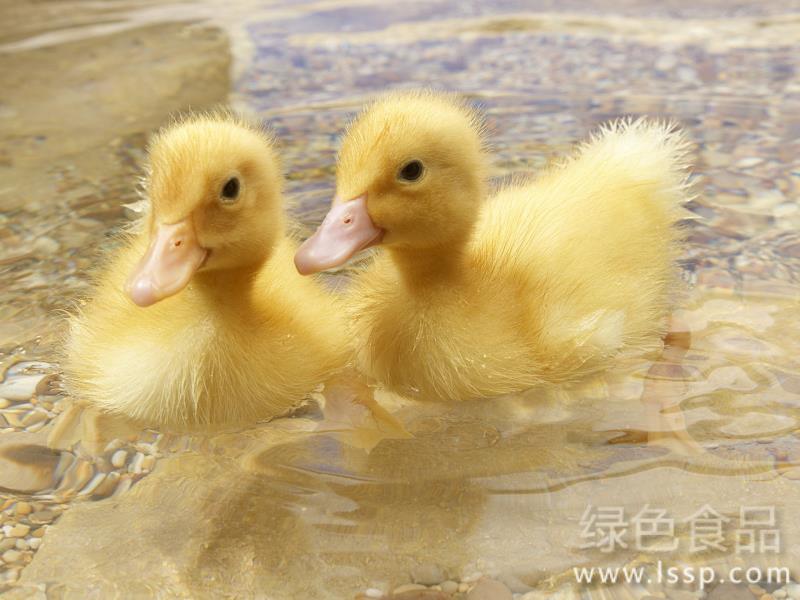
It is best to choose spring for brooding, and feeding management must also be done well
Spring is the best season for brooding; do a good job of brooding and feeding management
-
Detailed Explanation of High-Quality, High-Yield Oyster Mushroom Cultivation Techniques in Early Spring
Artificial heating: When the temperature inside the mushroom shed is below 8°C, oyster mushrooms grow slowly, and below 4°C their growth is inhibited. To ensure normal growth and development of oyster mushrooms, the temperature inside the shed is best kept at 10°C-20°C, using artificial fires or other heating measures, but carbon dioxide and other harmful substances produced during heating must be discharged outside the shed. Reasonable humidification: During the spring fruiting period, the temperature is 10°C-25°C, suitable for oyster mushroom growth; increase the relative humidity of the ambient air to about 85%, reduce direct sunlight, and prevent a sudden rise in temperature in late spring from creating a high-temperature, high-humidity fruiting environment.
-
Warm weather gradually arrives in the third month of spring; prepare mulberry and silkworms without delay
The sluggish cocoon price market in 2007 affected silkworm farmers' enthusiasm for planting mulberry and raising silkworms to a certain extent. For farmers in the key sericulture townships of Chun'an County, planting mulberry and raising silkworms is still the main source of household income. Therefore, the author reminds the broad community of silkworm farmers to treat the sluggish cocoon market rationally and not to easily waver in their enthusiasm for raising silkworms. At present, it is necessary to seize the favorable opportunity to order enough good spring silkworm eggs, do a good job in mulberry field fertilization and management, and strive to make a comeback in the Year of the Rat. Relevant provincial experts believe that the sharp
条件筛选