-

What should be noted when herding ducks in spring?
Choose good grazing grounds. During spring plowing, in rice-growing areas, ducks can be grazed in green manure fields that have been plowed and are being prepared for transplanting rice seedlings. Such fields contain plenty of natural plant and animal feed, such as grass seeds, grass roots, earthworms, and insects. After the rice seedlings are transplanted, ducks should not be taken into the fields to graze; grazing can resume only after the rice is harvested. Graze carefully. In river network areas, make full use of river channels for grazing. Generally, when taking the ducks out to graze, it is better to go upstream, when the ducks are full of energy and catch more food. In the cold spring season, when windy weather occurs, graze against the wind to prevent the wind from lifting the ducks' feathers and causing them to lose too much body heat. In areas with abundant feed
-
The key to a bountiful spring mushroom harvest lies in winter mushroom bed management
After the autumn mushroom harvest, if no heating is applied for winter mushroom production, the mushroom bed enters the winter management stage. The quality of winter mushroom bed management greatly affects the spring mushroom yield of the following year. Heat preservation and ventilation: In winter, keep the mushroom house temperature above 3°C so that the room does not freeze, preventing the mycelium from freezing damage. Before winter arrives, check the four walls of the mushroom house one by one, plug air leaks, and hang cloth curtains on doors and windows to prevent cold wind from entering. On warm days, pay attention to ventilation to keep the indoor air fresh. At noon, open the south windows of the mushroom house for 2 to 3 hours. When the weather is warm and windless and the outdoor temperature is above 8°C, open both the south and north windows to allow air convection. When the outdoor temperature at noon is below 5°C, ventilation should be suspended.
-
How to carry out spring field management for jasmine? Detailed explanation of the key technical points
I. Prune appropriately early From late February to mid-March, pruning appropriately early (along with the corresponding field management) can help jasmine plants enter the vegetative growth stage earlier, and before reaching the temperature suitable for flower bud formation (25°C), have a certain leaf area index to carry out photosynthesis and accumulate more nutrients, laying a good foundation for high yield and high quality of flower buds. The pruning height must be kept at about 20-30 cm above the remaining stump, with heavy pruning for old plants and light pruning for young plants. For 1-2 year old or newly planted
-
High-Yield Spring Cultivation Techniques for Potatoes in Double-Cropping Regions
I. Select High-Quality Virus-Free Seed Potatoes In double-cropping regions, the spring period suitable for potato growth is relatively short (60-70 days), so it is essential to select early-maturing virus-free varieties with a short dormancy period, early tuber formation, rapid tuber expansion, strong stress resistance, and high quality and yield, such as Yupotato No. 1 and No. 2, and Favorita. The seeding rate is 120 kg per mu. II. Early Cutting and Early Sprouting 1. Warm the seed potatoes and cut them. Before cutting, place the seed potatoes in a room or a sun-heated cold frame at 12-15°C for 5-7 days to warm them, prompting the seed potatoes to break dormancy and the eyes to sprout. About 2
-
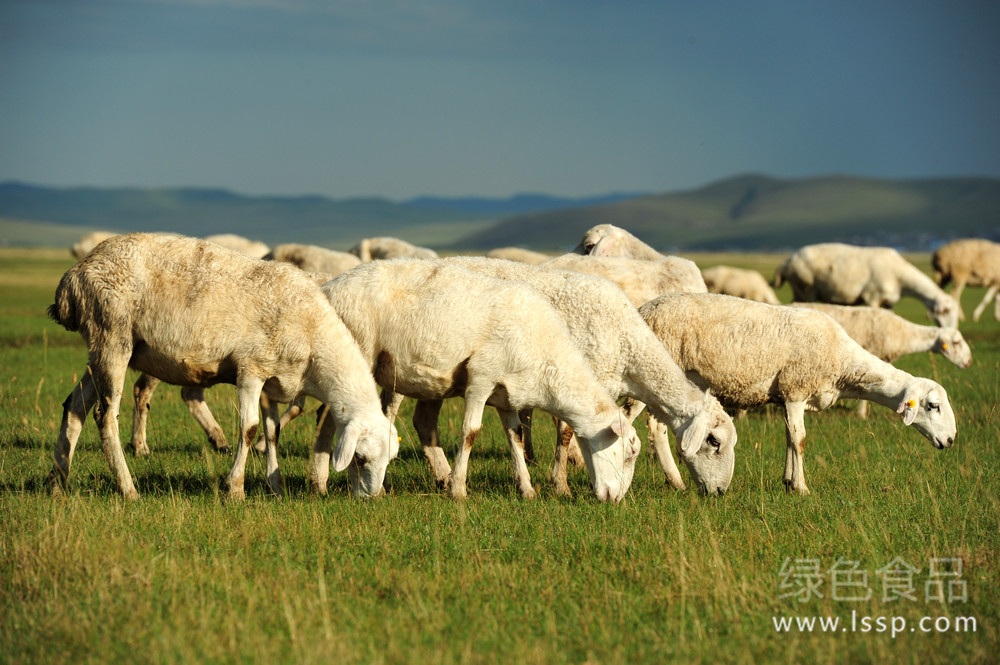
Sheep "craving green grass" disease occurs frequently in spring, sheep farmers must prevent it in advance
"Craving green grass" is also a disease; beware of sheep "craving green grass" disease in spring
-
Common abnormal phenomena and handling measures in oyster mushroom cultivation in late spring and early summer
Late spring and early summer is a good season for cultivating oyster mushrooms. However, due to improper operations, some mushroom growers experience abnormal phenomena such as yellowing and necrosis of mushroom logs after fruiting, souring and stinking of the substrate, and delayed fruiting after the mycelium has fully colonized the bags, which reduces the success rate, yield, and quality and directly affects economic returns. Based on many years of production practice and the experience of growers, the author summarizes the causes of these abnormal phenomena and the handling measures as follows. 1. Mass death of young mushrooms after fruiting from the mushroom bags In late spring and early summer, sometimes after the mushroom logs fruit, young mushrooms turn yellow and soft in large numbers, their bases thicken, and then they wither and rot into dead mushrooms.
-
The Poetry and Floral Charm of Apricot Blossoms: Experiencing the Beauty of Spring Flower Viewing
The messenger of wine. In the third month of spring, with gentle breezes and bright sunshine, pink peach blossoms and white plum blossoms stir the soul. The cultivation of apricot blossoms can be traced back to the Warring States period. "During the Qingming season, the rain falls thick and fast; travelers on the road look as if their souls will break. I ask where a tavern can be found; a shepherd boy points far off to Apricot Blossom Village." Where exactly Apricot Blossom Village is has long been debated. One account places it in Fenyang, Shanxi; another places it at Phoenix Terrace in Jinling; and there is also Apricot Blossom Village in Guichi, Anhui, with a stretch of apricot groves extending for ten li around. When the lovely spring month of March arrives, "on the apricot branches the spring wind settles; for ten li the misty village is all one red" - this is one of the ten famous sights of Guichi.
-
Detailed Explanation of High-Yield Cultivation Techniques for Spring-Planted Potatoes
Potatoes have the characteristics of being nutrient-rich, serving as both food and vegetable, high-yield and efficient, and having a short growth period. In recent years, with the adjustment of agricultural structure, the potato planting area has increased year by year. The main high-yield cultivation techniques are: selecting improved varieties. Our province belongs to the spring-autumn double-cropping potato region, so early-maturing varieties should be selected that tuberize early, have fast tuber expansion, a short dormancy period, high yield, good quality, and disease resistance, such as Yu Potato No. 1, Yu Potato No. 2, etc. These varieties are best as virus-free seed potatoes. Virus-free potato seedlings emerge early, have robust plants, large leaves, and a
-
What are the cultivation and management techniques for spring-planted potatoes?
Spring Planting Cultivation Techniques for Potatoes. Potatoes have the characteristics of high yield, early maturity, multiple uses, and wide distribution. In recent years, the spring planting area in our region has expanded year by year. 1. Land preparation. Potatoes prefer sandy loam and loam. Deep plowing and winter irrigation can be carried out before winter, with 2500-3000 kg of organic fertilizer applied per mu, and the land leveled before sowing with sufficient bottom moisture irrigation. Through the shallow plowing and fertilizing method, 25 kg of potassium sulfate, 25 kg of diammonium phosphate, and 15 kg of urea per mu are broadcast on the surface and incorporated into the soil with a rotary tiller. When ridging, the ridge
-
Key Points of High-Yield Spring Potato Cultivation Techniques
Potato is a dual-purpose grain and vegetable crop. Its tubers are extremely resistant to storage and transportation, making it a major vegetable for balancing market supply during peak and off-seasons. Dianzi Township in Pingyin County has accumulated rich experience in potato cultivation and achieved significant economic benefits. Land preparation and fertilization: In early March, once the soil has thawed, begin land preparation immediately. At the same time, through deep plowing and fine harrowing, apply 2000-3000 kg of high-quality farmyard manure and 50 kg of superphosphate per 667 sq m (1 mu), then mix evenly and level the soil. Seed potato treatment: Select high-quality, high-yield, early-maturing virus-free Luyin No. 1 for the potato crop. 5 to
条件筛选