-

What should be noted when giving injections to a sick turtle?
For captive-bred turtles that fall ill, treatment methods such as oral medication, injections, applying medicine, or even medicated baths can be used. Among these, injecting the medicinal solution directly into the turtle's body works fastest and most effectively. However, turtles have a shell for protection and more bone than flesh, so the following points must be noted when injecting a turtle, otherwise it is easy to cause harm to the turtle. 1. Choose the correct injection site. The leg muscles of the turtle's front and hind limbs are relatively plump, so intramuscular injections are generally given there. When injecting, the needle should preferably enter at a 45° angle to the limb; too large an angle will damage the fascia or bone
-
Postpartum hypocalcemia in female dogs should not be ignored, and dog owners need to take it seriously
Postpartum hypocalcemia in female dogs, also known as postpartum eclampsia, postpartum tetany or lactation eclampsia, is a serious metabolic disorder in female dogs after giving birth. This disease is mainly characterized by hypocalcemia and muscle tonic spasms caused by abnormal excitation of motor nerves, accompanied by symptoms such as increased respiratory rate. This disease is paroxysmal and mostly occurs in small dogs or medium-sized high-yielding female dogs 10 to 20 days after delivery. At present, domestic techniques for diagnosing and treating this disease are relatively mature, and the treatment results are also relatively satisfactory. The basic approach is symptomatic treatment and calcium supplementation. The author, while treating 5 cases
-
Silkworm droppings work well as rabbit feed, and rabbit farmers should give them a try
Silkworm droppings have high nutritional value, with a crude protein content of 15.4%, second only to wheat bran and higher than rice bran and green grass, making them an excellent feed for livestock and poultry. Feeding silkworm droppings to livestock and poultry often produces very good results. 1. Feeding silkworm droppings to pigs can save large amounts of concentrated feed; pigs gain weight quickly per unit of time and have a high marketable rate. After sows eat silkworm droppings, milk secretion increases. 2. Feeding silkworm droppings to sheep increases the amount of milk secreted and yields more wool; sheep wool length can reach more than 14 cm. 3. Feeding silkworm droppings to cattle can make
-
What should be done if a primrose gets anthracnose?
[Pathogen]Colletotrichum primulae, a fungus belonging to the Deuteromycotina subdivision and the genus Colletotrichum. [Symptoms]Brown round or nearly round spots appear on the leaves, and later sparse small black dots arranged in rings form on the spots; these are the pathogen's acervuli. [Occurrence pattern]The pathogen overwinters on infected fallen leaves, and conidia spread by wind and rain and enter through wounds. [Epidemic characteristics]Higher humidity favors the occurrence of the disease or aggravates the condition. [Control measures
-
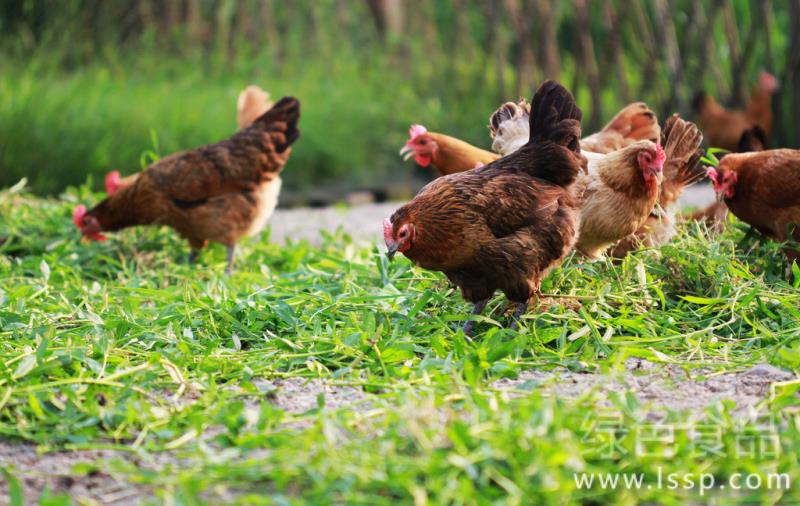
Feeding green fodder to chickens can promote growth and development, but what precautions should be taken?
Green fodder promotes chicken growth and development; precautions for feeding green fodder to chickens
-
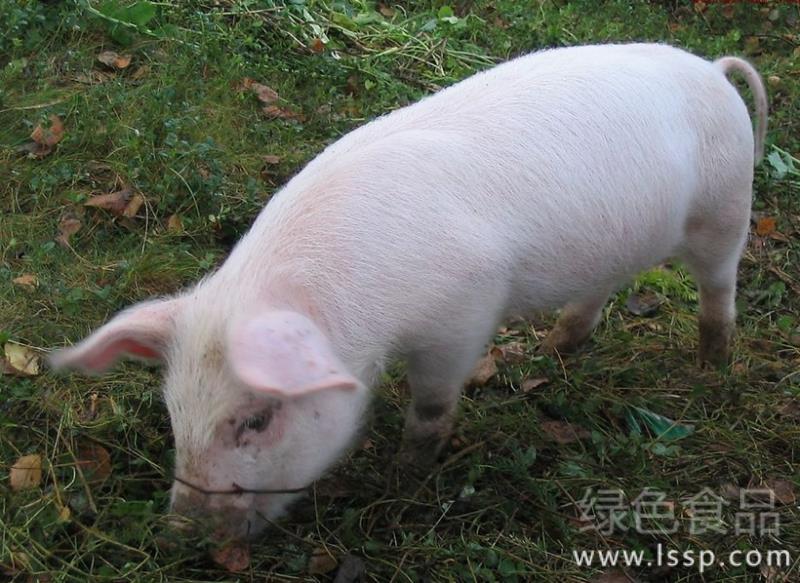
Piglet stubborn diarrhea has both high incidence and high mortality; how should it be treated?
Piglet diarrhea with high incidence and high mortality: how to treat piglet stubborn diarrhea
-
6 reasons piglets grow slowly, pig farmers should learn about them early
1. Improper weaning: Farmers often use the one-time weaning method, and the piglets are sold immediately after weaning, causing the piglets' original living conditions - centered on the mother and living together with littermates in a stable and comfortable environment - to suddenly change, making it difficult for them to adapt for a time and affecting weight gain. The number of sucklings given to piglets should be gradually reduced 5 to 6 days before weaning until weaning is complete. 2. Delayed supplementary feeding: If piglets are not given supplementary feed in time during the suckling stage, they cannot eat well after weaning, resulting in slow growth and stunted development. Generally, supplementary feeding should start when piglets are 10 days old
-
What should be noted when harvesting garlic scapes?
Generally, when the garlic scape emerges from the leaf sheath and begins to bend, it is the suitable time to harvest the garlic scape. Harvesting early or late has a great impact on the yield and quality of the garlic scape. If harvested too early, the yield is not high, it breaks easily, and its marketability is poor. If harvested too late, although the yield can be increased, it consumes too many nutrients and affects the growth and development of the garlic bulb, and the garlic scape tissue ages and its fiber increases; especially the base of the garlic scape ages and becomes inedible. Therefore, it is best to harvest garlic scapes at noon and in the afternoon on sunny days. At this time the plants are somewhat wilted, the leaf sheath and the garlic scape separate easily, and the leaves are tough and not easy to break, which can
-
How should date lice on jujube trees be treated?
Date lice are what is known in production as the tortoise wax scale and scale insects. Because the adults form a waxy shell, spraying pesticide makes it very difficult to achieve efficacy, so in winter the infested branches can be pruned off, or water can be sprayed on the branches and, after it freezes, the branches can be beaten to shake the adults off. The peak of larval occurrence is generally from late June to early July; because at this time the waxy shell has not yet formed on the insect bodies, the larvae have poor resistance to pesticides, and this period is the best time for control. Ordinary insecticides can all achieve very good results. By persisting with this for 2-3 years, very good control results can be achieved.
-
What should be noted when processing dog skin
1. Remove all meat and greasy matter from the dog skin, lay it flat on a wooden board and rub it with coarse sandcloth or a brick until the roots of the coarse hairs are slightly visible. Take 250 g of tea-oil bran and add 2500 ml of water, bring to a boil and pour into a basin. After it cools, put in the dog skin and soak for 12 hours, then take it out and scrub it repeatedly with soap to remove the odor. 2. Take 500 g of alum and add 2500 ml of water, bring to a boil and pour into a basin. After it cools, fully immerse the dog skin, take it out after about 24 hours, place it hair-side down on a wooden board and stretch it tight,
条件筛选