Feeding green fodder to chickens can promote growth and development, but what precautions should be taken?
In summer, green fodder is abundant. It is rich in protein, minerals and various vitamins, and promotes the growth and development of chickens. However, when using green fodder to feed chickens, several points need attention:
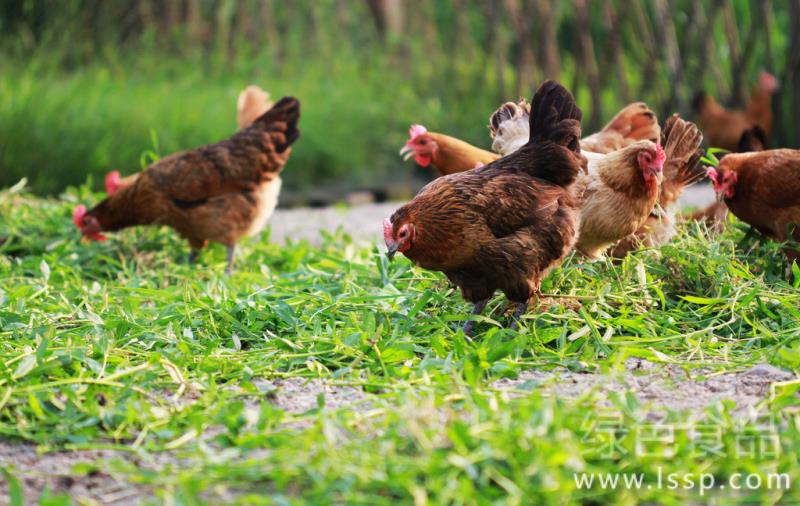
Chickens
Control the proportion:Fresh tender green fodder has good palatability and chickens love it, but because of its high water content, it should not be fed in large amounts. It must be combined with other feeds, and the proportion should not be too high, otherwise it easily causes diarrhea or enteritis in chickens. Generally, green fodder accounts for 15-20% of the daily ration of chicks and 20-30% of that of adult chickens; for leafy green fodder such as tree leaves, which contain more crude fiber, the added amount accounts for 10% of the daily ration. In seasons short of green fodder or in large chicken farms, hay meal or tree leaf meal can be used to replace green fodder; in the daily ration, hay meal at 5-10% and tree leaf meal at 5-8% are appropriate.
Prepare it properly:Most green fodder can be fed directly to chickens, but it is easily wasted. After being crushed, it can be fed to chickens alone or mixed into the feed, making it easier for chickens to eat and increasing the utilization rate. In particular, root tuber and melon-type feeds should be crushed before feeding, and boiled before feeding when necessary. Aquatic plants such as water lettuce and water hyacinth often contain parasite eggs or larvae, so they should be boiled before feeding.
Keep it clean:Wash it before feeding, remove dirt such as soil, and remove spoiled and deteriorated feed to prevent chicken poisoning. Green fodder is high in acidity; when feeding it to chickens, about 2% shell powder can be mixed in to neutralize the acidity. When improper feeding causes intestinal diseases such as diarrhea in chickens, feeding should be limited or stopped immediately, and 0.2-0.4% oxytetracycline should be added to the daily ration for treatment. After the chickens return to normal, feed it again at the normal proportion.