-

How to prevent and control strawberry snake-eye leaf spot? Detailed introduction to prevention and control methods
It mainly damages the leaves, and also damages the petioles and fruit stalks, making it a common disease of strawberries. 1. Symptoms. In the early stage of the disease, small dark purple spots form, which then expand into nearly round or oval lesions. The edges of the lesions are purplish red, and the centers are grayish white or grayish brown, with slight concentric rings, making the entire lesion resemble a snake eye. On the...
-
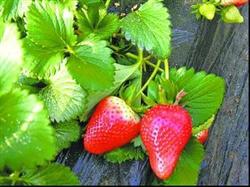
Detailed Explanation of Key Points of Virus-Free Strawberry Cultivation Techniques
After many years of asexual propagation, strawberry virus diseases have become increasingly severe, the varietal characteristics of cultivars have begun to degenerate, and both yield and quality have declined year by year. Virus-infected plants generally show stunted individual growth, smaller leaves, and sharp, pointed serrations along the margins of the leaflets; the heart leaves are sometimes yellowed; the flowering period is earlier, the fruit is small, yield is reduced, ...
-
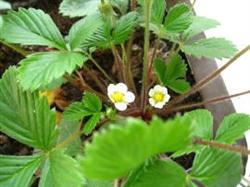
Key Technical Points and Methods for Promoting Flowering in Greenhouse Strawberries
The purpose of facility forcing cultivation of strawberries is to achieve early fruiting and early marketing. The key measures are promoting flower bud differentiation and promoting flowering. Measures to promote flower bud differentiation are implemented during the seedling stage, while after transplanting, flowering must be promoted. The methods for promoting flowering include the following: 1. Temperature and humidity management in the greenhouse. The air temperature inside the greenhouse should be 30 degrees during the day and above 10 degrees at night...
-
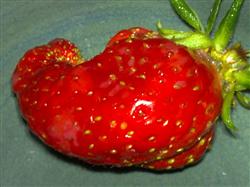
How to scientifically prevent and control strawberry pests and diseases? A full analysis of methods and techniques
Under normal growth management of greenhouse-cultivated strawberries, deformed fruit accounts for 10%-20%. However, when varieties are improperly selected or the ecological environment does not meet the growth needs of strawberries, the proportion of deformed fruit often increases, sometimes reaching as high as about 50%, resulting in reduced yield and low returns. Common deformed fruits include crooked and flat fruit, plump fruit, aggregate fruit, protruding...
-
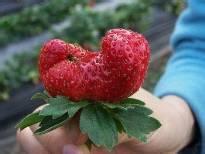
Deformed strawberries in greenhouses are caused by two main factors
According to investigation and analysis, there are three main causes of deformed fruit. Taking corresponding measures against these causes can prevent the occurrence of deformed fruit. Too low a room temperature is a common cause of deformed fruit. The optimal temperature for strawberry growth and development is 20-25°C. During the flowering and fruiting period, the minimum temperature must not fall below 5°C. If the temperature is below 5°C...
-
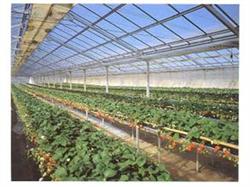
How can strawberries be grown to achieve high yield and good quality?
When strawberries are grown in greenhouses, the high-temperature and high-humidity conditions inside the greenhouse are extremely favorable for the occurrence of various diseases and pests. Therefore, strengthening comprehensive disease control is a key step in achieving high and stable yields of greenhouse strawberries. 1. Leaf blight mainly damages leaves, petioles, fruit stalks, young stems and sepals. On the leaves, purple-brown...
-

First urban planning review meeting for Phase 3 of the Hsinchu Science Park draws environmental protest over farmland destruction; Hsinchu County Government says no decision has been made yet
What happened to the promised land justice? At the first urban planning review meeting for the Phase 3 development of the Hsinchu Science Park, environmental groups protest the sacrifice of farmland; Hsinchu County Government: no decision has been made yet
-
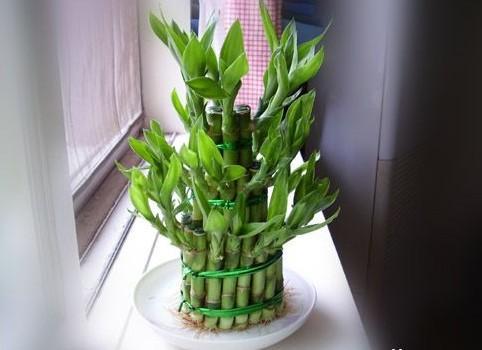
Lucky bamboo shoots up to 2 meters tall, and Old Zhang's trick draws neighbors to gather and watch
The lucky bamboo plant is slender, with branches on the upper part of the upright stem. The rhizome creeps horizontally and is knotted; the stem is thick and upright, and the plant has a delicate form. The leaves are alternate or nearly opposite, long lanceolate, with an obvious midrib, and the leaves are deep green. Used for household bottle arrangements or pot...
-
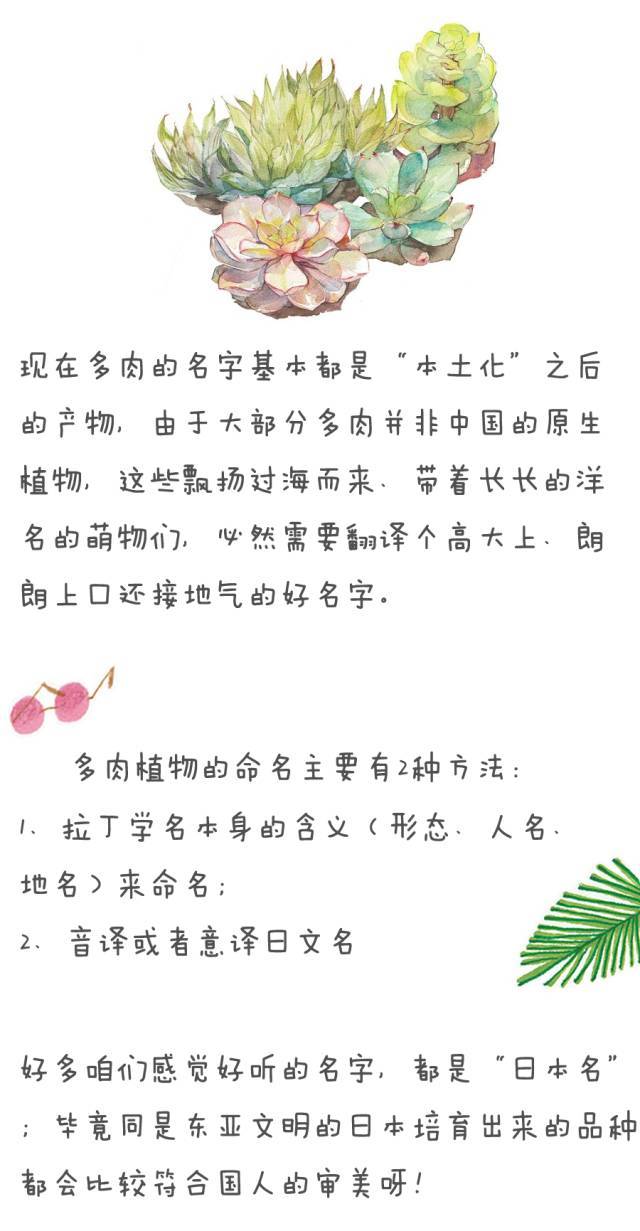
Fellow succulent lovers, were you drawn into this hobby by the beautiful names of succulents?
Acanthocalycium? No wait, let me start over: Jixiangguan (Kalanchoe thyrsiflora 'Flapjacks'?), Huangbo, Yinyue, Dishitian, Qunbiyu, Xiying, Huayueye, Zichi Lianhua, Wangyu Zhulian, Bihuan Guang, Chunyingzhuan, Ningti Yu, Xingyinv, Tongye Huayue, Chunmeng... I believe many succulent lovers were drawn in by...
-
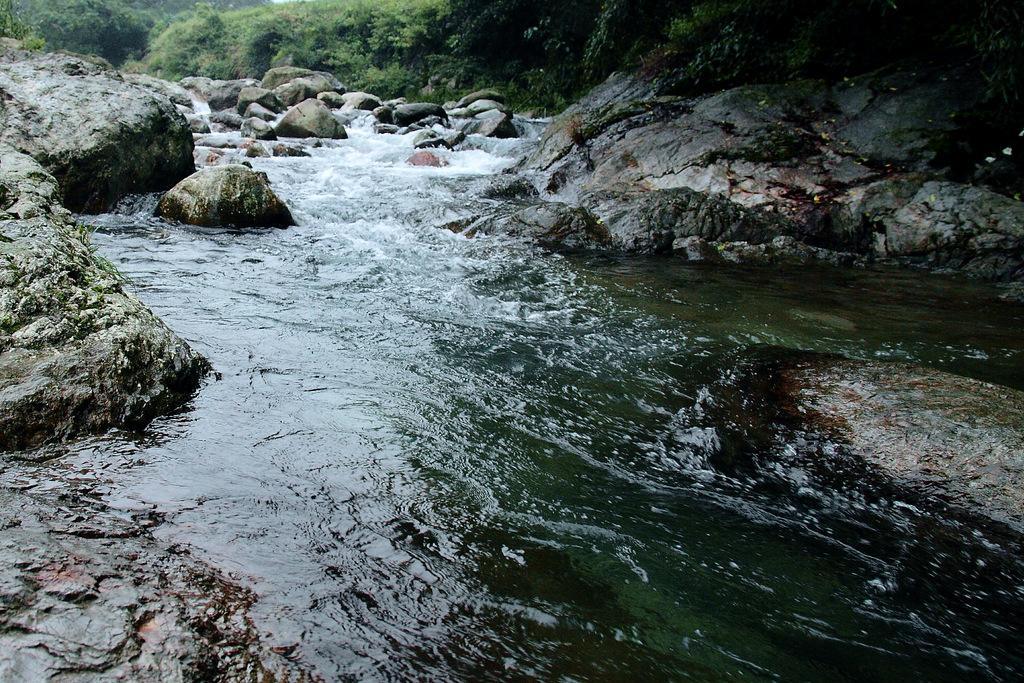
It is often mistaken for crawfish, its habitat is nothing short of a wonderland, and its price is 5 times that of lobster, yet few people have ever eaten it
In northeast China, there is a unique wild delicacy. It has long claws, a short body, thin shrimp antennae, and a plump tail. Do you know what this wild delicacy is? If you say it is crawfish, you would be greatly mistaken. This...
条件筛选